
Pull to refresh
Logo
World Food Programme halves West Bank food aid as displaced families face hunger

World Food Programme halves West Bank food aid as displaced families face hunger

Money Moves

Funding shortfall cuts assistance from 400,000 to 200,000 people as food insecurity doubles since 2023

Overview

Updated Oct 26

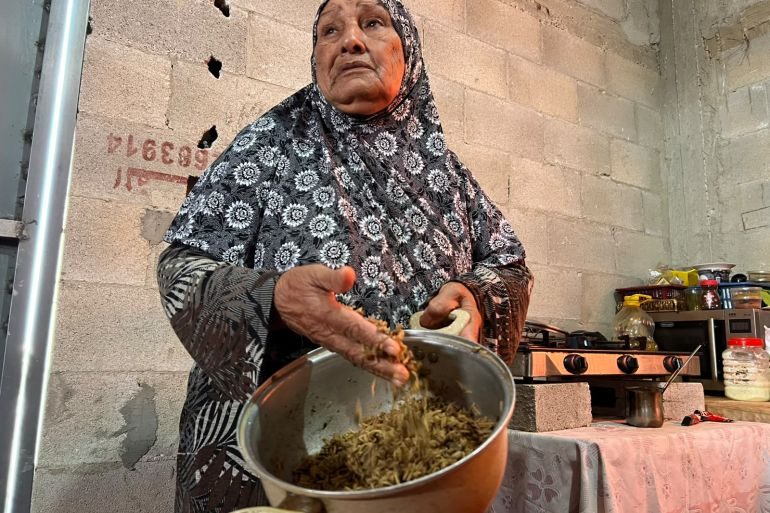
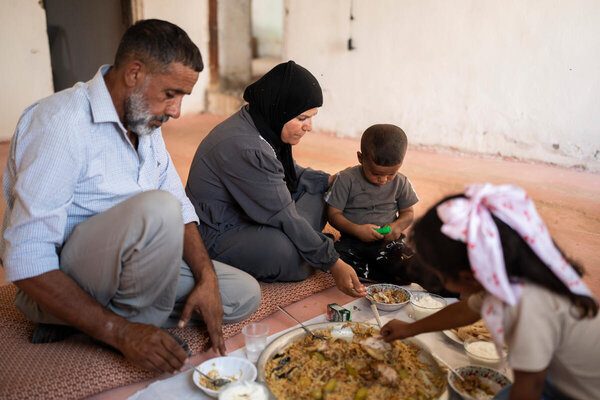
The World Food Programme halved its West Bank food aid in September, cutting recipients from 400,000 to 200,000 because of a funding shortfall. Displaced families, including that of 75-year-old widow Fawza Awad in Tulkarem, lost payments that had bought food for two or three people.

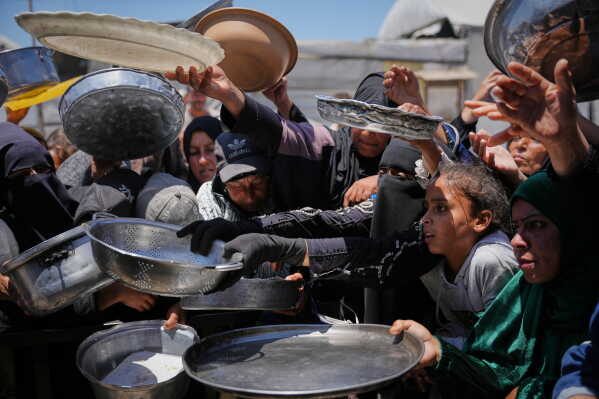
The agency counts about 900,000 Palestinians in the West Bank as food insecure, more than double the level in 2023, with one-third of families unable to afford a nutritious diet. By late October it still reached 200,000 people there through cash, vouchers and food parcels, and says it needs $386 million over six months to cover Gaza and the West Bank.

Why it matters

Nearly a million West Bank Palestinians are food insecure, and the WFP cut ends food aid for 200,000 of the most vulnerable.

Questions about this story

Free account needed to ask — your question is kept and asked for you right after sign-up. Answers are public.

No questions yet — be the first to ask.

Key Indicators

50%
Cut in WFP food aid recipients in the West Bank
WFP reduced West Bank assistance from 400,000 to 200,000 people starting September 2026, citing critical funding constraints.
900,000
West Bank residents food insecure
WFP's figure for the West Bank; the agency says food needs have more than doubled since 2023.
$386M
Money WFP says it needs over six months
Additional funding WFP requested in September 2026 to serve about two million food-insecure people across Gaza and the West Bank.
30%
West Bank unemployment rate
More than doubled since 2023, according to WFP's food security analysis.
3,800+
Palestinians displaced in the West Bank in 2026
Displacements driven by Israeli military operations, settler violence, demolitions, and evictions, per UN findings cited by WFP.

Voices

Curated perspectives — historical figures and your fellow readers.

Sign up to generate historical perspectives on this story.

People Involved

Organizations Involved

Timeline

October 2023 October 2026

5 events Latest: October 24th, 2026 · 3 weeks ago
Tap a bar to jump to that date
  1. Report documents hunger among displaced families

    Latest Reporting

    Al Jazeera reports displaced families in Tulkarem have lost WFP aid and cannot afford food.

  2. WFP halves West Bank food aid

    Aid Cut

    WFP cuts West Bank assistance from 400,000 to 200,000 recipients citing a 50 percent funding shortfall.

  3. Israel withholds Palestinian Authority revenues

    Financial

    Israel halts PA customs revenues, leaving the authority unable to pay salaries.

  4. Israeli operation displaces Tulkarem refugees

    Displacement

    Israeli military operation targets northern West Bank camps, displacing tens of thousands from Tulkarem.

  5. Israel halts West Bank work permits

    Conflict

    Israel stops work permits for tens of thousands of West Bank Palestinians employed in Israel and settlements.

Scenarios

1

Donors step in, WFP restores West Bank food aid

Unlikely Resolves by Q1 2027

Discussed by: WFP said aid could be reinstated and beneficiaries notified by text; analysts note needs have more than doubled since 2023.

A major international donor or coalition commits new funding to WFP's Palestine operation, allowing it to restore West Bank assistance toward pre-September levels. WFP has said reinstatement is possible if funding arrives.

2

WFP cuts deepen as funding runs out

Likely Resolves by End of 2026

Discussed by: WFP warned hundreds of thousands more could lose aid by year's end; country director Shaun Hughes said the agency is running out of funding.

Without new contributions, WFP further reduces West Bank assistance below 200,000 recipients before the end of 2026, following the trajectory the agency outlined in its September announcement.

3

New aid programs fill the gap left by WFP

Possible Resolves by Q2 2027

Discussed by: Al Jazeera reports NGOs face Israeli restrictions, including suspension of registration for 37 international organizations; WFP says it lacks resources to cover all needs.

Humanitarian organizations, donor governments, or the Palestinian Authority launch new food assistance programs in the West Bank to compensate for the WFP cut, possibly following removal of restrictions on NGO operations.

Historical Context

2 moments from history that rhyme with this story — and how they unfolded.

March 2024

Gaza famine warnings (March 2024)

The Integrated Food Security Phase Classification warned famine was imminent in northern Gaza, with nearly the entire population facing acute food insecurity. WFP and partner agencies struggled to deliver aid under Israeli military restrictions and repeated ration cuts.

Then

Food insecurity in Gaza worsened through 2024-2025 as WFP repeatedly reduced rations due to access limits and funding gaps.

Now

The Gaza operation drained WFP's Palestine budget, contributing directly to the West Bank shortfall announced in 2026.

Why this matters now

Shows how WFP funding and access constraints translate into household hunger, the same mechanism now operating in the West Bank.

January 2024

UNRWA donor crisis (January 2024)

After Israel alleged UNRWA staff took part in the October 7, 2023 attacks, 16 countries including the United States suspended roughly $450 million in funding. UNRWA said it would run out of money within weeks and warned of collapsing services for millions of Palestinian refugees.

Then

Several donors, including Germany and the UK, later restored funding, but the agency's programs were scaled back.

Now

The episode showed how quickly UN humanitarian funding can collapse, leaving aid agencies dependent on a small number of donors.

Why this matters now

The WFP cut follows the same pattern: a single funding shock forces rapid reductions in assistance, hitting the most vulnerable families first.

Sources

(8)