



Pull to refresh
Logo
Disc Medicine's rejected sun-sensitivity drug clears Phase 3, reopening FDA path

Disc Medicine's rejected sun-sensitivity drug clears Phase 3, reopening FDA path

New Capabilities

After a February rejection, the APOLLO trial hit every endpoint, setting up an FDA resubmission by year-end

Overview

Updated Oct 25

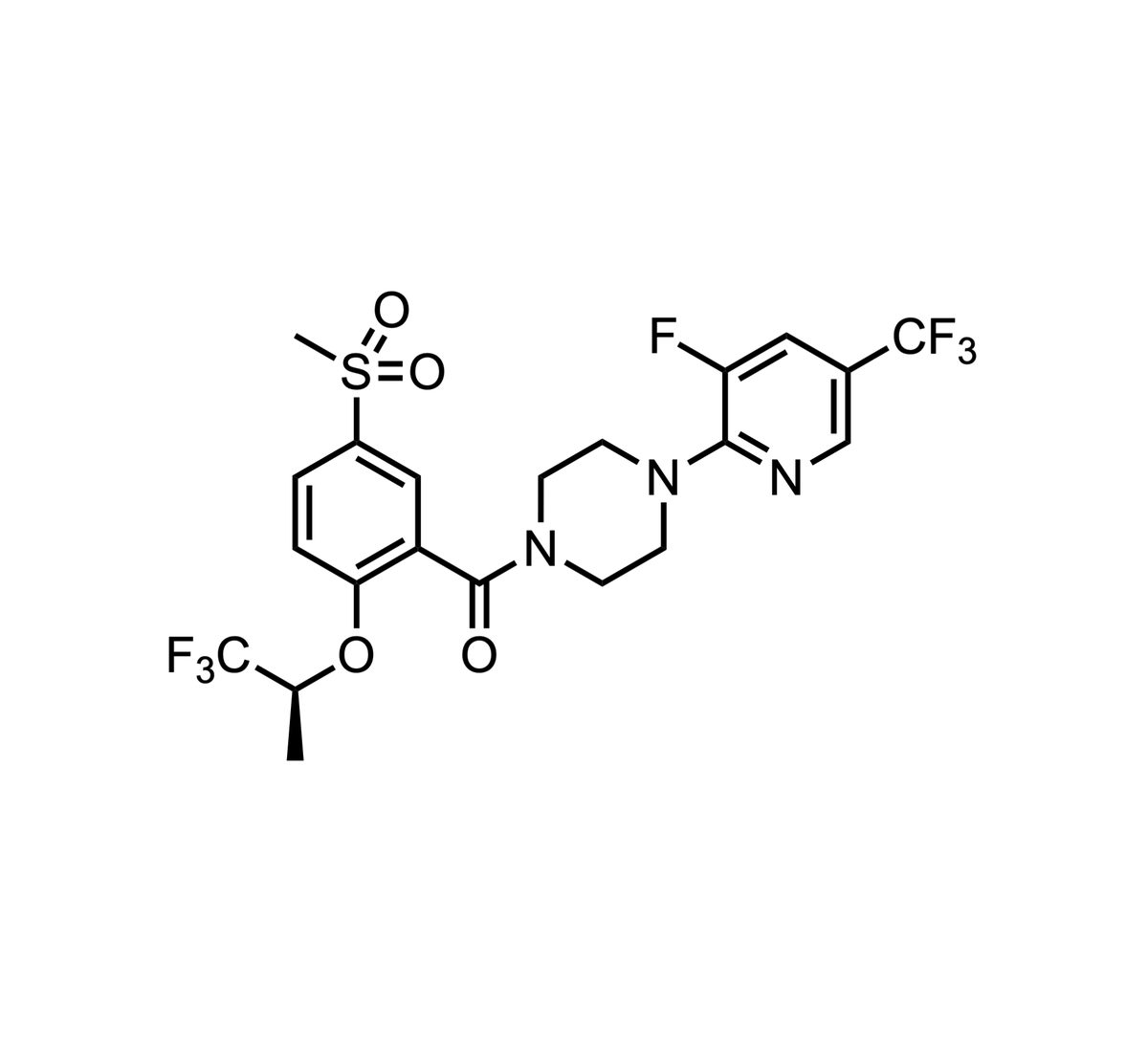
People with erythropoietic protoporphyria feel stabbing pain in strong light, and no oral drug is approved to help them. Disc Medicine's bitopertin passed a 183-patient Phase 3 trial called APOLLO, the company said on Oct. 19, 2026, reopening a path to the FDA after a rejection in February.

The pill lowered whole-blood metal-free protoporphyrin IX, the toxic compound behind the pain, 41.4% relative to placebo. Patients also gained 12.2 more hours a month of pain-free time in light by month six. Disc plans to resubmit its application by the end of 2026, with an FDA decision expected by mid-2027; the stock rose about 35% in early trading.

Why it matters

If approved, bitopertin would be the first oral drug that lets EPP patients spend more time in light without pain.

Questions about this story

Free account needed to ask — your question is kept and asked for you right after sign-up. Answers are public.

No questions yet — be the first to ask.

Key Indicators

35%
Share gain in early trading, Oct 19, 2026
Reuters reported a 35% jump in early trading; The Wall Street Journal put the day's gain near 37%, Disc's best trading day since 2022.

Voices

Curated perspectives — historical figures and your fellow readers.

Sign up to generate historical perspectives on this story.

People Involved

Organizations Involved

Timeline

October 2025 October 2026

4 events Latest: October 19th, 2026 · 3 weeks ago
Tap a bar to jump to that date
  1. Phase 3 APOLLO hits all endpoints

    Latest Clinical trial

    Bitopertin lowered PPIX 41.4% relative to placebo and added 12.2 hours a month of pain-free light exposure by month six; the stock rose 35% in early trading and Disc launched a $350M offering.

  2. FDA agrees APOLLO can support resubmission

    Regulatory

    Disc reaches a meeting agreement that the ongoing Phase 3 trial measuring clinical outcomes could back a full approval filing.

  3. FDA rejects accelerated approval

    Regulatory

    A complete response letter says trials don't clearly link PPIX reduction to sunlight tolerance, and asks for a Phase 3 clinical-outcomes study.

  4. FDA grants rare priority review voucher

    Regulatory

    Bitopertin becomes one of the first drugs to receive a commissioner's national priority voucher, cutting review timelines to 1-2 months.

Scenarios

1

FDA clears bitopertin by mid-2027, giving EPP its first oral therapy

Likely Resolves by Q3 2027

Discussed by: BMO Capital Markets, Disc Medicine leadership

The FDA completes a standard priority review of the resubmitted application and approves bitopertin. Analysts expect early uptake from patients already in expanded access; BMO projects peak sales of $1.7 billion. Approval would mark Disc's first marketed drug and the first oral treatment for EPP.

2

FDA issues a second complete response letter, delaying launch to 2028

Possible Resolves by Q3 2027

Discussed by: FDA's prior scrutiny of the PPIX-to-benefit link

Reviewers find a gap in the resubmission, asking for longer safety data or another trial. Any launch slips past mid-2027, extending Disc's cash-burn and reliance on the public offering.

3

Dersimelagon reaches the market first and splits the oral EPP field

Possible Resolves by End of 2027

Discussed by: LEO Pharma, market analysts

LEO Pharma wins FDA approval for its oral EPP candidate dersimelagon around 2027, giving both oral options and pressuring bitopertin's launch share and pricing.

4

FDA uses the priority voucher to decide before mid-2027

Possible Resolves by Q2 2027

Discussed by: John Quisel, Disc Medicine

Bitopertin holds a commissioner's national priority voucher, which shortens review to one or two months, and Quisel said a faster decision than the six months typical for a resubmission is possible. He told BioSpace Disc will ask: "They have a lot of priorities, so we will certainly ask, and we'll see what we get."

Historical Context

3 moments from history that rhyme with this story — and how they unfolded.

March 1998

Sildenafil (Viagra) repurposing (1998)

Pfizer developed sildenafil to treat hypertension and angina. Clinical trials failed, but patients reported a side effect that led Pfizer to reposition it for erectile dysfunction. The FDA approved it in 1998 with first-year sales near a billion dollars.

Then

Sildenafil became a blockbuster within a year.

Now

It became the textbook example of repurposing a failed drug, reshaping how pharma scans abandoned compounds.

Why this matters now

Bitopertin is another repurposed failure, dropped by Roche after schizophrenia trials. One positive Phase 3 in a new disease is turning a discarded molecule into a potential approval.

June 2021 – January 2024

Aduhelm (Biogen) surrogate-endpoint approval (2021-2024)

The FDA approved Biogen's Alzheimer's drug on amyloid reduction despite an advisory committee's opposition. Medicare refused broad coverage, and Biogen withdrew the drug in 2024.

Then

Aduhelm sold poorly amid coverage limits and criticism.

Now

The case hardened scrutiny of surrogate endpoints, making regulators demand proof that biomarkers translate into patient benefit.

Why this matters now

The same question sank Disc's first bid: does lowering PPIX actually reduce pain? The APOLLO trial was designed to answer that clinical question directly.

February 2011 – March 2023

Makena confirmatory-trial reversal (2011-2023)

The FDA approved Makena via accelerated approval on a surrogate for preventing preterm birth. A 2019 confirmatory trial failed, and the FDA moved to withdraw the drug.

Then

Makena was formally removed from the market in 2023.

Now

It became the clearest example of accelerated approval unraveling when confirmatory data contradict the surrogate.

Why this matters now

APOLLO is Disc's attempt to avoid the Makena path. By measuring pain-free light exposure rather than only a biomarker, it aims to confirm what the February rejection said was missing.

Sources

(14)