
Stonehenge bluestone sourcing (1923-2011)
For nearly a century, geologists debated where Stonehenge's smaller bluestones came from. In 1923, H.H. Thomas traced them via petrography to the Preseli Hills in Pembrokeshire, Wales, over 240 kilometers away. Later geochemical work pinpointed specific outcrops, settling the source and reigniting debate over whether glaciers or humans moved them.
The identification confirmed that prehistoric people transported stones over enormous distances.
The sourcing debate became the template for how archaeologists resolve stone provenance, and it exposed how assumptions about what ancient people could do often underestimate them.
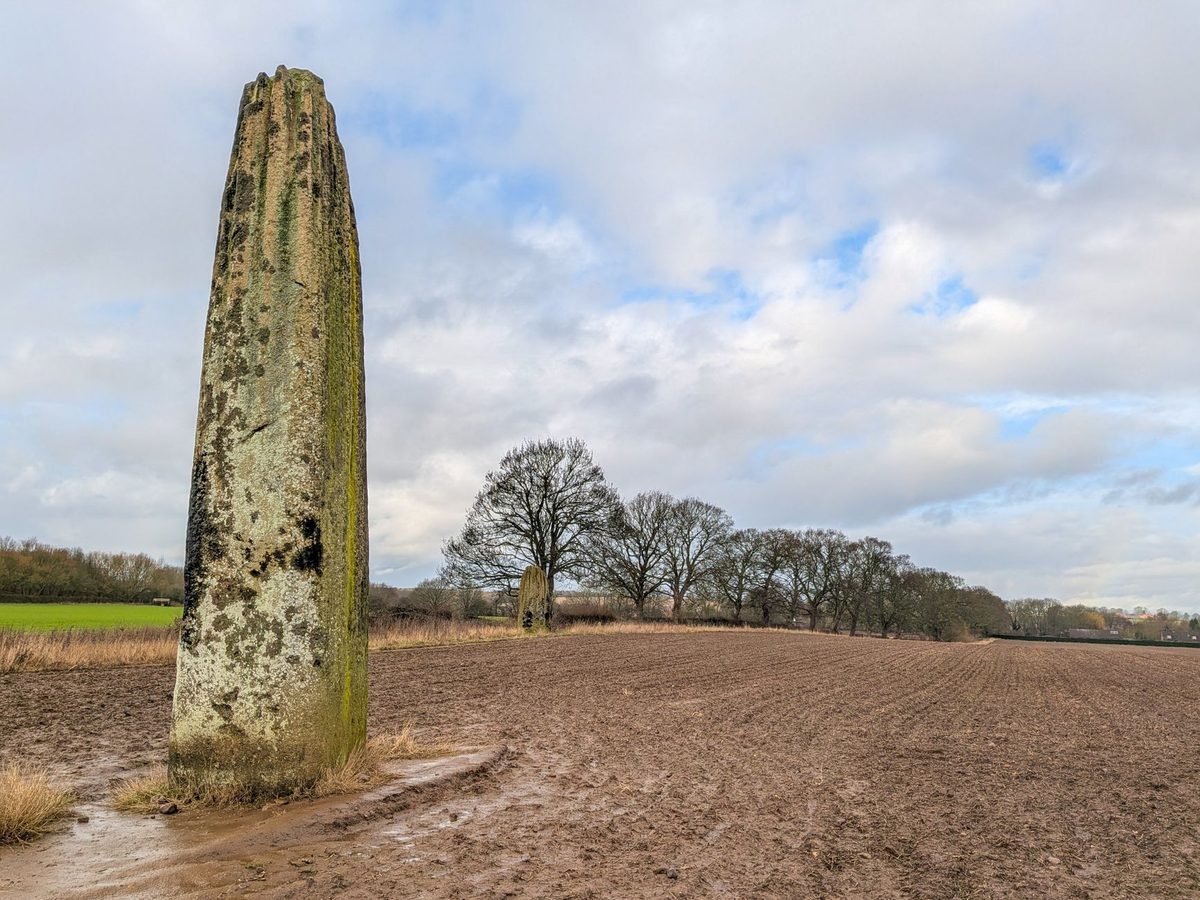
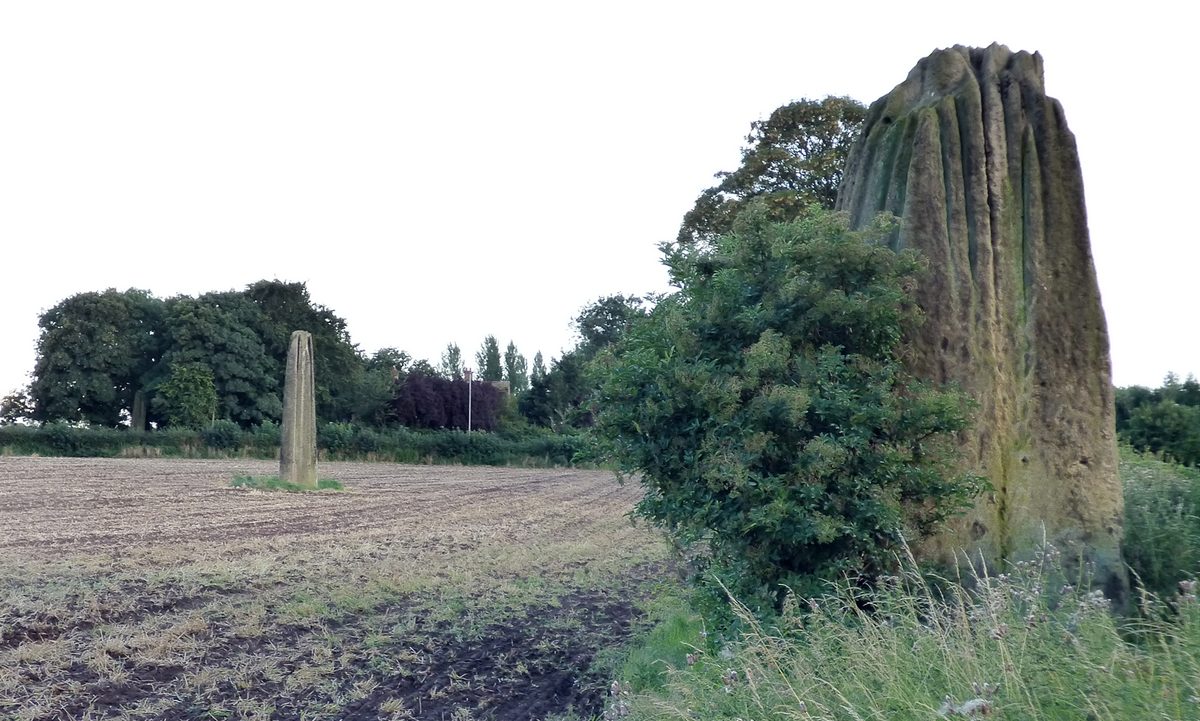
The Devil's Arrows study uses the same logic on a smaller scale: geochemical fingerprinting to trace stones to a distant source, and to rule out glacial transport. Both cases show ancient builders chose specific, far-off landscapes rather than the nearest usable stone.