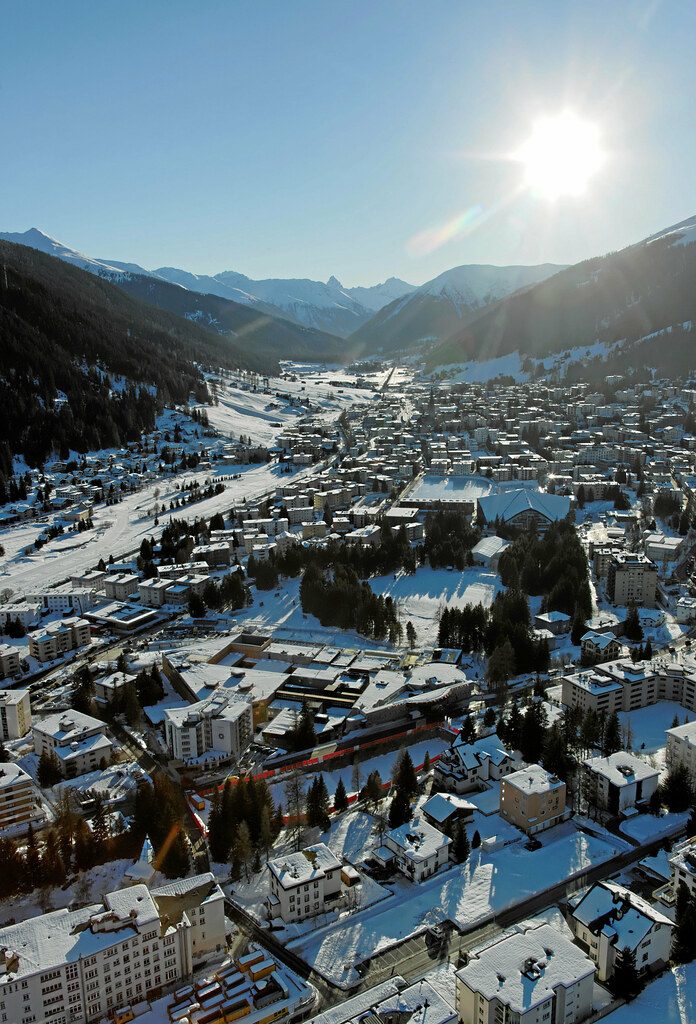
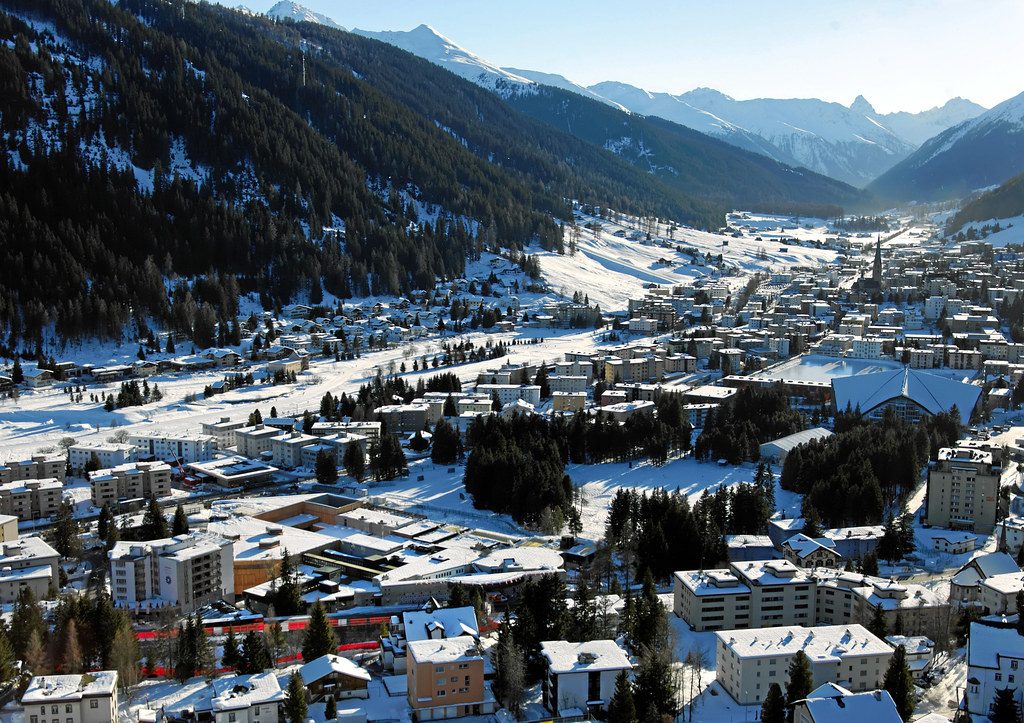
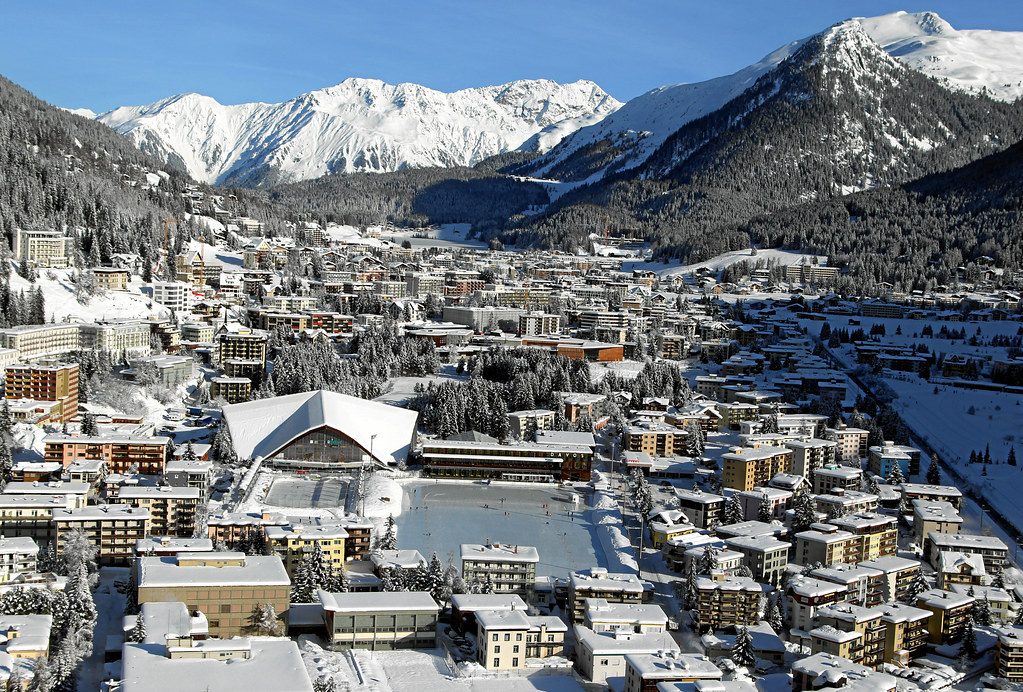
For 55 years, the World Economic Forum at Davos was neutral ground where adversaries brokered deals. This year, 65 heads of state and nearly 3,000 leaders arrived just 48 hours after Trump announced 10% tariffs on eight European allies. The tariffs escalate to 25% by June unless Denmark agrees to sell Greenland.
By January 20, France was pushing the EU to activate its never-before-used 'Anti-Coercion Instrument,' a trade measure that could shut American companies out of Europe's 500-million-consumer market. Signs of potential de-escalation emerged: NATO Secretary General Mark Rutte secured a Davos meeting with Trump and told him 'I'm committed to finding a way forward on Greenland.' German troops abruptly withdrew from the Arctic island after just 44 hours.
Putin's envoy Kirill Dmitriev arrived in Davos to meet Trump's team about Ukraine. The forum helped avert a Greek-Turkish war in 1988. Now it faces tests on three simultaneous fronts: transatlantic trade, NATO cohesion, and Ukraine peace negotiations.
Questions about this story
Free account needed to ask — your question is kept and asked for you right after sign-up. Answers are public.
No questions yet — be the first to ask.
Key Indicators
65
Heads of State
Record attendance of world leaders, including six G7 heads of government
850
CEOs & Chairs
Top corporate executives from WEF member companies
10%→25%
Tariff Escalation
Trump's threatened tariffs on eight European nations over Greenland, rising from 10% (Feb 1) to 25% (June 1)
$800B
Ukraine Deal
Reported value of US-Ukraine reconstruction agreement expected to be signed at Davos
~1,000
Private Jets
Estimated private jet flights to Davos-area airports during summit week
16 events
Latest: January 21st, 2026 · 8 months ago
Showing 8 of 16
JK to step
Tap a bar to jump to that date
Jump to
January 2026
Trump Address Scheduled
LatestPolitical
President Trump scheduled to deliver in-person address—his first Davos appearance since 2020. Expected to discuss housing and affordability.
Putin Envoy Dmitriev Arrives in Davos for Trump Team Meetings
Diplomatic
Kirill Dmitriev, Putin's special envoy and head of Russia's sovereign wealth fund, arrived in Davos to meet with Trump envoy Steve Witkoff and Jared Kushner about Ukraine peace settlement. Dmitriev is under US sanctions but not EU sanctions.
NATO's Rutte Secures Trump Meeting on Greenland
Diplomatic
After a 'very good telephone call,' Trump agreed to meet NATO Secretary General Mark Rutte at Davos to discuss Greenland. Rutte messaged Trump: 'I'm committed to finding a way forward on Greenland.'
China's He Lifeng Delivers Special Address
Summit
Chinese Vice-Premier He Lifeng called for increased cooperation in global economy, stating 'China will open its door wider to the world' and plans to expand its services sector market.
France Pushes EU to Activate 'Trade Bazooka'
Trade
French President Macron urged EU to activate its Anti-Coercion Instrument—a never-before-used mechanism that could restrict US access to EU public tenders, investment, and the 500-million-consumer single market.
Davos 2026 Opens with Record Attendance
Summit
56th WEF Annual Meeting opened with 65 heads of state, 850 CEOs, and nearly 3,000 total participants—the highest-level gathering in the forum's history.
EU Emergency Ambassador Meeting
Diplomatic
EU's 27 ambassadors convened emergency session in Brussels to coordinate response to Trump tariffs. Meeting lasted 3.5 hours. Retaliatory options include €93 billion in levies.
Eight NATO Allies Issue Joint Warning
Diplomatic
UK, Denmark, Finland, France, Germany, Netherlands, Norway, and Sweden warned tariffs 'undermine transatlantic relations and risk a dangerous downward spiral.'
German Troops Withdraw from Greenland After 44 Hours
Military
A 15-member German military team led by Rear Admiral Stefan Pauli abruptly departed Greenland just 44 hours after arrival. NATO sources suggest troop withdrawals could serve as an 'off-ramp' for US to row back tariff threats.
Trump Announces Greenland Tariffs on Europe
Trade
Trump announced 10% tariffs on Denmark, Norway, Sweden, France, Germany, UK, Netherlands, and Finland starting February 1, rising to 25% on June 1, until Greenland is sold.
October 2025
Davos 2026 Theme Announced
Announcement
WEF announced 'A Spirit of Dialogue' as theme for 56th Annual Meeting, citing need to 'confront shared challenges' amid geopolitical transformation.
April 2025
Klaus Schwab Resigns as WEF Chairman
Leadership
Founder Klaus Schwab, 87, stepped down as chairman and board member. Peter Brabeck-Letmathe appointed interim chair; permanent successor search underway.
January 2025
Davos 2025 Opens Amid Inauguration
Political
55th WEF meeting under theme 'Collaboration for the Intelligent Age' coincided with Trump's second inauguration. Trump addressed CEOs virtually.
WEF Global Risks Report 2026 Released
Publication
Report identified geoeconomic confrontation as top global risk, rising eight places from prior year. 50% of surveyed leaders expect 'turbulent or stormy' conditions.
January 2018
Trump's First Davos Speech
Political
Trump declared 'America is open for business' and clarified 'America First does not mean America alone'—first sitting US president at Davos since Clinton in 2000.
January 1971
World Economic Forum Founded
Origin
Klaus Schwab convenes first European Management Symposium in Davos with 450 participants from 31 countries.
Scenarios
1
Tariff Standoff Escalates; EU Retaliates with €93 Billion Package
Possible
Discussed by: European Commission officials, Bloomberg analysts, Reuters trade correspondents
If Trump holds firm on February 1 tariffs and Europe follows through on threatened retaliation, transatlantic trade enters a spiral. The EU's €93 billion package targets politically sensitive US exports—agriculture, machinery, consumer goods. Defense stocks continue rallying as Europe accelerates military spending. NATO's cohesion faces its most serious test since the alliance's founding. Davos 2026 becomes remembered as the summit where the transatlantic partnership fractured.
2
Greenland Compromise Emerges; Tariffs Avoided
Possible
Discussed by: NATO Secretary General Mark Rutte, CNBC analysts, diplomatic correspondents
NATO Secretary General Rutte's meetings with Trump at Davos produce a face-saving formula—perhaps enhanced US basing rights in Greenland or a joint Arctic security arrangement that falls short of ownership transfer. Tariffs are delayed or rescinded. The 'Spirit of Dialogue' theme proves prescient. European leaders accept that managing Trump requires concessions on form while protecting substance.
3
US-Ukraine Deal Overshadows Tariff Drama
Likely
Discussed by: Ukrainian officials, Kyiv Post, Financial Times
The reported $800 billion Ukraine reconstruction agreement between Trump and Zelenskyy dominates headlines, reframing Davos as a venue for historic peace-adjacent diplomacy rather than trade conflict. US-Europe tensions persist but are subordinated to the larger story of potential Ukraine resolution. European leaders recalibrate their Trump strategy around the Ukraine relationship.
4
AI Governance Breakthrough at Davos
Possible
Discussed by: World Economic Forum publications, technology executives, Global Risks Report analysts
With Jensen Huang, Satya Nadella, Dario Amodei, and OpenAI's Sarah Friar all present, Davos produces a significant public-private framework for AI governance. The Global Risks Report's warning that 'adverse outcomes of AI' jumped from 30th to 5th place on the 10-year risk horizon catalyzes action. This becomes the forum's lasting legacy from 2026, independent of the tariff drama.
5
EU Activates Trade Bazooka; Transatlantic Economic War Begins
If Trump implements February 1 tariffs and the EU activates its Anti-Coercion Instrument for the first time, American companies lose access to the world's largest single market—500 million consumers. US firms are excluded from EU public tenders worth hundreds of billions annually. Export restrictions hit tech, aerospace, and agricultural sectors. Defense cooperation survives but economic integration fractures. The post-WWII transatlantic partnership enters uncharted territory, with both sides locked in a trade war neither anticipated.
6
Russia Gains Leverage Through Davos Backdoor Diplomacy
Possible
Discussed by: Euronews analysts, European security officials, Ukraine observers
Dmitriev's meetings with Trump's inner circle (Witkoff, Kushner) produce a Ukraine framework acceptable to Moscow but alarming to Kyiv and European capitals. Trump's focus shifts from the $800 billion Ukraine reconstruction deal to a Russia-friendly settlement. The Zelenskyy-Trump meeting never materializes or produces minimal commitments. European allies realize they're being negotiated around, not with. Davos becomes the venue where Putin's envoy outmaneuvered Ukraine's Western supporters.
Historical Context
3 moments from history that rhyme with this story — and how they unfolded.
1 of 3
January 1988
Davos Declaration (1988)
Greece and Turkey stood at the brink of armed conflict over Aegean territorial disputes. At the 1988 World Economic Forum, Prime Ministers Andreas Papandreou of Greece and Turgut Özal of Turkey met on neutral ground. They signed the Davos Declaration, committing to peaceful resolution of disputes and establishing direct communication channels.
Then
Immediate de-escalation of military tensions in the Aegean. Both nations pulled back naval forces and suspended provocative exercises.
Now
The 'Davos process' between Greece and Turkey continued for years, though underlying disputes remained unresolved. Established Davos as a venue capable of facilitating high-stakes diplomacy.
Why this matters now
Davos 2026 faces a similar test: whether the forum can provide neutral ground for the US-Europe rift. The 1988 precedent shows Davos can de-escalate crises when leaders commit to dialogue—but also that underlying tensions may persist.
2 of 3
November 2008
G20 Washington Summit (2008)
As the global financial crisis threatened economic collapse, President George W. Bush convened the first G20 leaders' summit in Washington. The concept of elevating the G20 from a finance ministers' forum to a heads-of-government body had been discussed at Davos in 1998. Twenty leaders coordinated a multi-trillion-dollar response, with Japan alone contributing $100 billion to the IMF.
Then
Leaders pledged coordinated stimulus and avoided a protectionist spiral. The IMF's budget was tripled.
Now
G20 became the premier forum for global economic coordination, supplanting the G7/G8 for crisis response. Financial regulations were strengthened through the Financial Stability Board.
Why this matters now
The 2008 crisis showed what coordinated multilateral response can achieve. Davos 2026 tests whether such coordination remains possible when the US itself is the source of economic coercion against allies.
3 of 3
January 2018
Trump's First Davos Address (2018)
Trump became the first sitting US president to attend Davos since Bill Clinton in 2000. Amid expectations of confrontation, he struck a conciliatory tone: 'America First does not mean America alone.' He touted tax cuts and invited investment, avoiding direct attacks on globalization. African business leaders had planned a walkout that never materialized.
Then
Global elites were reassured that 'America First' might be compatible with engagement. Markets stabilized.
Now
The reassurance proved temporary. Tariff wars with China and allies followed within months. Trump's 2018 Davos tone was an outlier, not a template.
Why this matters now
Trump returns to Davos in 2026 having already launched tariffs on allies before arriving—a sharp contrast to his 2018 courtship. The question is whether Davos can again produce rhetorical de-escalation, or whether his opening position is now the policy.