

Pull to refresh
Logo
Colombia opens Jerusalem embassy, reversing break with Israel

Colombia opens Jerusalem embassy, reversing break with Israel

Rule Changes

New president restores ties and trade deal severed over Gaza; Colombia weighs joining a Holocaust remembrance body

Overview

Updated Oct 27

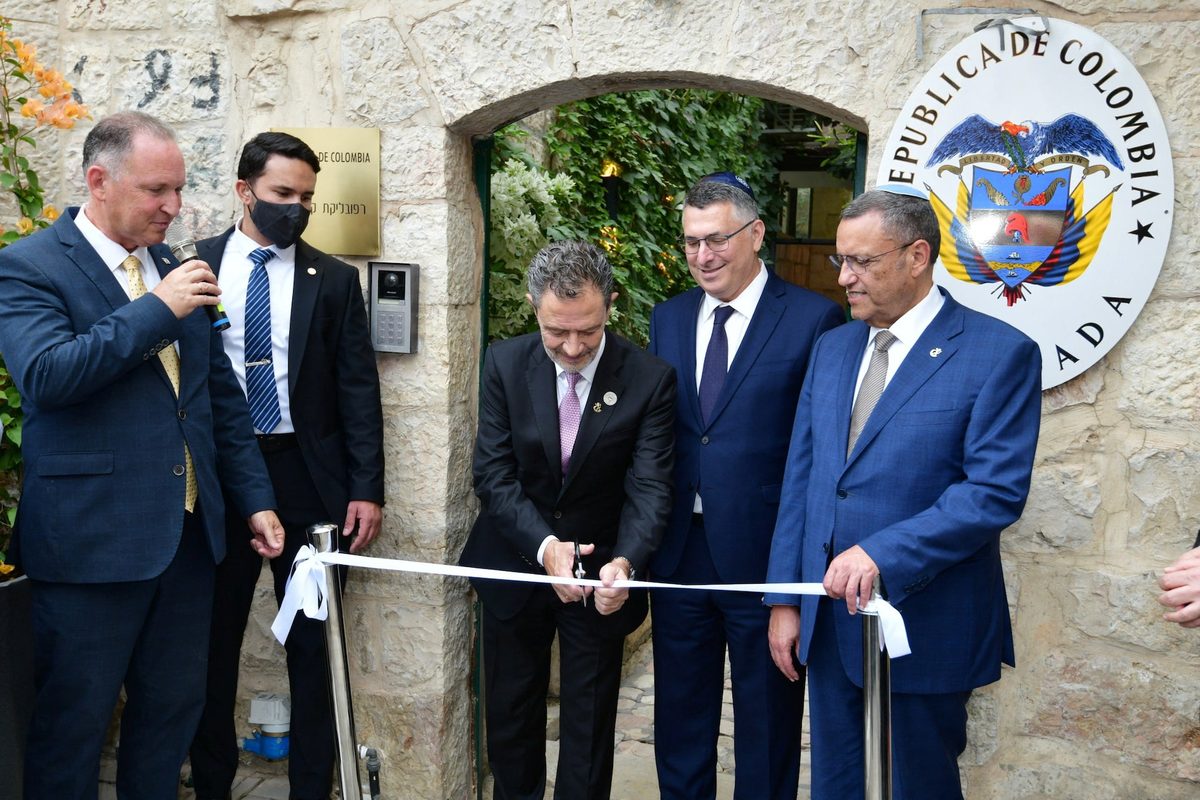
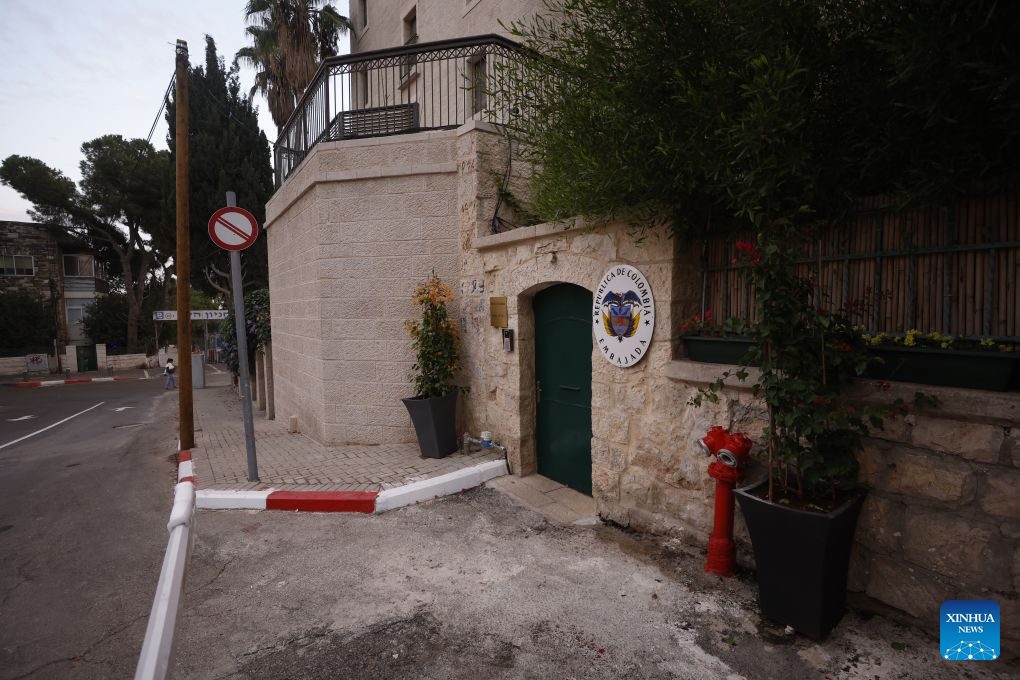
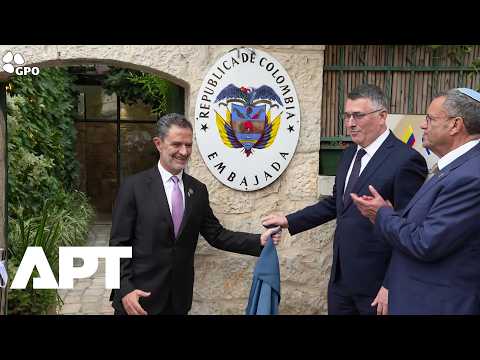
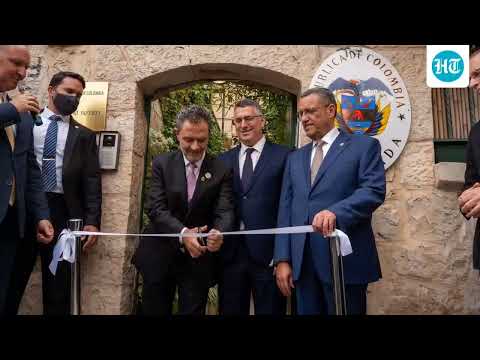
Colombia opened its embassy in Jerusalem on October 14. It is the tenth mission in the city and the largest from Latin America. The move came a day after Colombia and Israel restored their free trade agreement.

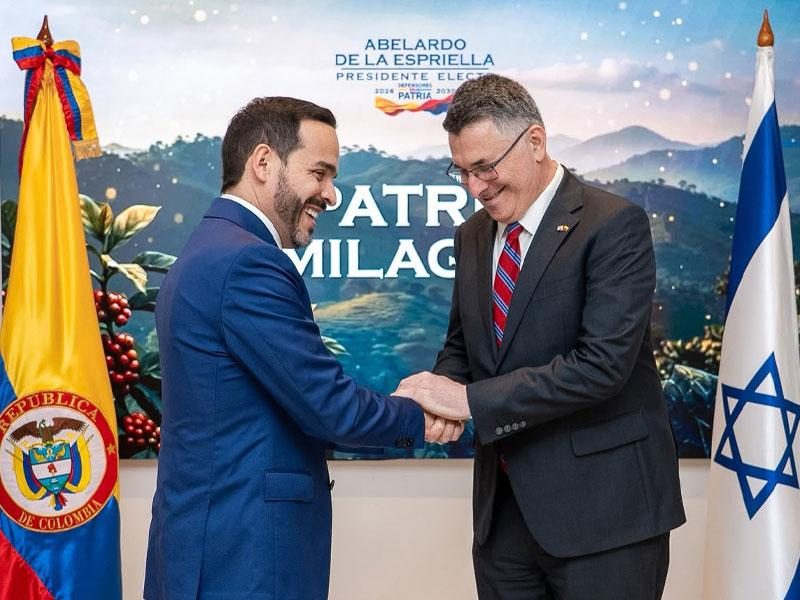
President Abelardo de la Espriella, a conservative who took office in August, has reversed most of his predecessor's Israel policy. He restored diplomatic ties that Gustavo Petro severed in May 2024, ended the coal export ban, and withdrew Colombia's intervention in South Africa's genocide case at the International Court of Justice. Foreign Minister Omar Bula Escobar has asked to leave the Hague Group. Bogotá is also considering joining the International Holocaust Remembrance Alliance, which first requires observer status. Palestinian officials and Jordan objected to the embassy, citing Jerusalem's disputed status. Thousands protested in Colombia against the president's domestic policies, and some protesters opposed the Israel partnership.

Why it matters

Colombia is the largest country after the US to base its embassy in Jerusalem, strengthening Israel's claim over the contested city.

Questions about this story

Free account needed to ask — your question is kept and asked for you right after sign-up. Answers are public.

No questions yet — be the first to ask.

Key Indicators

Largest in Latin America
Colombia's rank among Latin American Jerusalem embassies
Colombia is the largest Latin American country to base an embassy in Jerusalem. Guatemala, Honduras and Paraguay moved earlier.

Voices

Curated perspectives — historical figures and your fellow readers.

Sign up to generate historical perspectives on this story.

People Involved

Organizations Involved

Timeline

May 2024 October 2026

13 events Latest: October 18th, 2026 · 3 weeks ago Showing 8 of 13
Tap a bar to jump to that date
  1. Colombia weighs joining International Holocaust Remembrance Alliance

    Latest Diplomatic

    Israeli Ambassador Vivian Aisen said the foreign ministers discussed Colombia joining the alliance. Colombia adopted its working definition of antisemitism in 2022 but has not applied; membership requires first gaining observer status.

  2. Colombia formally requests Hague Group withdrawal

    Diplomatic

    Colombia officially requested its withdrawal from the Hague Group, an anti-Israel coalition where it served as co-chair, a day after Bula announced the move at the embassy ceremony.

  3. Colombia opens embassy in Jerusalem

    Diplomatic

    Colombia inaugurates its embassy in Jerusalem, the tenth foreign mission there.

  4. Colombia withdraws from Hague Group

    Diplomatic

    Foreign Minister Omar Bula Escobar announced Colombia's withdrawal from the Hague Group, a coalition seeking diplomatic, legal and economic measures against Israel over the Gaza war.

  5. Coal exports to Israel restored

    Policy

    The government issued Decree 1514 of 2026, lifting the 2024 ban on thermal coal exports to Israel.

  6. Free trade agreement restored

    Policy

    Colombia and Israel restore their free trade agreement via exchanged diplomatic notes.

  7. Bula meets Israeli President Herzog

    Diplomatic

    Foreign Minister Omar Bula Escobar met Israeli President Isaac Herzog to close his four-day visit, after discussing cooperation in security, trade, technology and agriculture with Israeli officials.

  8. De la Espriella becomes president

    Political

    Abelardo de la Espriella is sworn in as Colombia's president.

  9. Colombia-Israel relations restored

    Diplomatic

    Colombia and Israel formally restore diplomatic relations.

  10. Foreign ministers meet in Washington

    Diplomatic

    Israeli and Colombian foreign ministers agree to normalize ties during a Washington meeting.

  11. Petro severs relations with Israel

    Breakdown

    President Gustavo Petro cuts diplomatic ties with Israel over the Gaza war.

  12. Colombia closes Tel Aviv embassy

    Breakdown

    Colombia closes its embassy in Tel Aviv and recalls its ambassador.

Scenarios

1

Colombia and Israel sign a major cooperation pact

Likely Resolves by End of 2027

Discussed by: Israeli Foreign Ministry statements; JNS coverage of bilateral normalization

Both governments say they aim to convert existing cooperation in security, agriculture, trade, and technology into formal agreements. De la Espriella has already restored the free trade deal and diplomatic ties; a signed bilateral framework on security or technology would confirm the deeper alignment.

2

A fifth Latin American country opens a Jerusalem embassy

Possible Resolves by End of 2027

Discussed by: El País, noting Colombia as the largest Latin American nation to take the step

Colombia's move as the region's largest country could encourage other US-aligned governments to follow Guatemala, Honduras, and Paraguay. A new Latin American mission would expand the regional precedent set by the de la Espriella government.

3

Colombian opposition challenges the embassy move

Uncertain Resolves by End of 2027

Discussed by: Context of the sharp policy reversal reported by El País

De la Espriella's rapid undoing of Petro's policies faces opposition from Colombia's left. A formal challenge in congress or the courts could seek to block embassy funding or reverse the decision, testing whether the new alignment survives domestic politics.

4

A future Colombian government reverses the embassy decision

Uncertain Resolves by End of 2030

Discussed by: The Media Line analysis of Colombia's Israel partnership

The Media Line asks whether the partnership survives a change of government. De la Espriella took office in August and reversed Petro's policy within two months, showing how sharply Colombia's Israel position can swing between presidents. Colombia's next presidential election is roughly four years off.

Historical Context

3 moments from history that rhyme with this story — and how they unfolded.

May 2018

US Embassy move to Jerusalem (May 2018)

The Trump administration relocated the US embassy from Tel Aviv to Jerusalem, the first major world power to do so. Israel claims the city as its capital; Palestinians seek East Jerusalem for a future state, and most countries keep embassies in Tel Aviv to avoid prejudging the issue.

Then

The move drew international criticism, and most governments kept their missions in Tel Aviv.

Now

It created a precedent followed by a small group of countries; Colombia is the tenth to base an embassy in Jerusalem.

Why this matters now

Colombia becomes the largest country after the US itself to adopt this position, following the 2018 precedent.

2018 onwards

Guatemala, Honduras, and Paraguay move embassies

Following the US move, Guatemala, Honduras, and Paraguay relocated their embassies to Jerusalem, making Latin America the most represented region among countries that took the step.

Then

These moves drew protests from Palestinian officials and Arab states at the time.

Now

They established a regional precedent that Colombia now extends as the largest Latin American country to do so.

Why this matters now

Colombia's move builds on the Latin American pattern and gives it far greater weight than the earlier smaller countries.

June 2026

Somaliland opens embassy in Jerusalem (June 2026)

Somaliland, a self-declared state whose independence only Israel recognizes worldwide, opened its embassy in Jerusalem in June 2026.

Then

The mission made Somaliland one of a handful of states, mostly small or partially recognized, with an embassy in Jerusalem.

Now

It shows the trend has been dominated by smaller or partially recognized states, which makes Colombia's move notable in scale.

Why this matters now

Colombia breaks the pattern of small movers, giving Israel its largest embassy win since the US in 2018.

Sources

(22)