
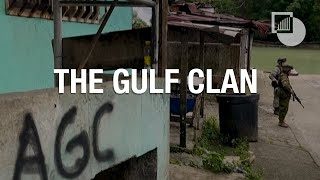
For five months, Colombia's largest drug cartel sat across from government negotiators in Qatar, working toward something unprecedented: a peace deal with an organization the United States had just labeled a terrorist group. On February 4, the Gulf Clan walked away from the table, accusing President Gustavo Petro of betraying the talks by handing their leader's name to the Trump administration as a joint military target.
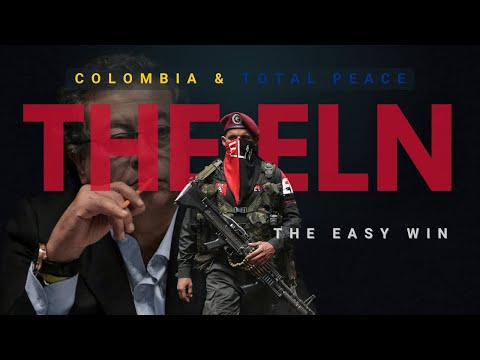
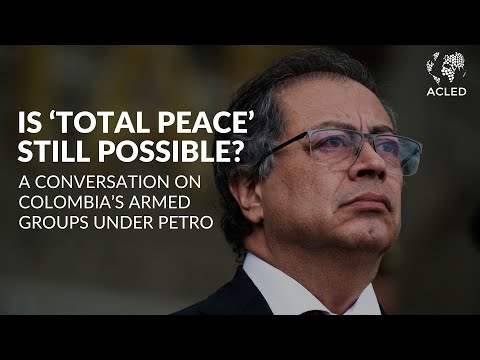
The collapse exposes a fundamental tension at the heart of Petro's 'Total Peace' policy—the most ambitious attempt in Colombian history to negotiate simultaneously with guerrillas, paramilitaries, and criminal organizations. Petro now faces a choice his predecessors avoided: pursue American-backed military operations against the cartels, or preserve the negotiating framework that brought Colombia's most powerful armed groups to the table in the first place.