

Pull to refresh
Logo
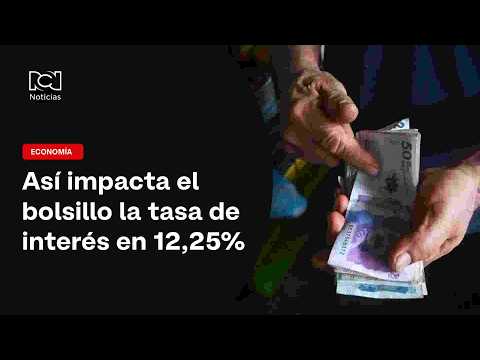
Colombia's central bank raises interest rate to 12.25%

Colombia's central bank raises interest rate to 12.25%

Money Moves

Board holds at 12.25% in a 4-3 vote as September inflation rises to 6.3%; three directors wanted another quarter-point hike.

Overview

Updated 6 days ago

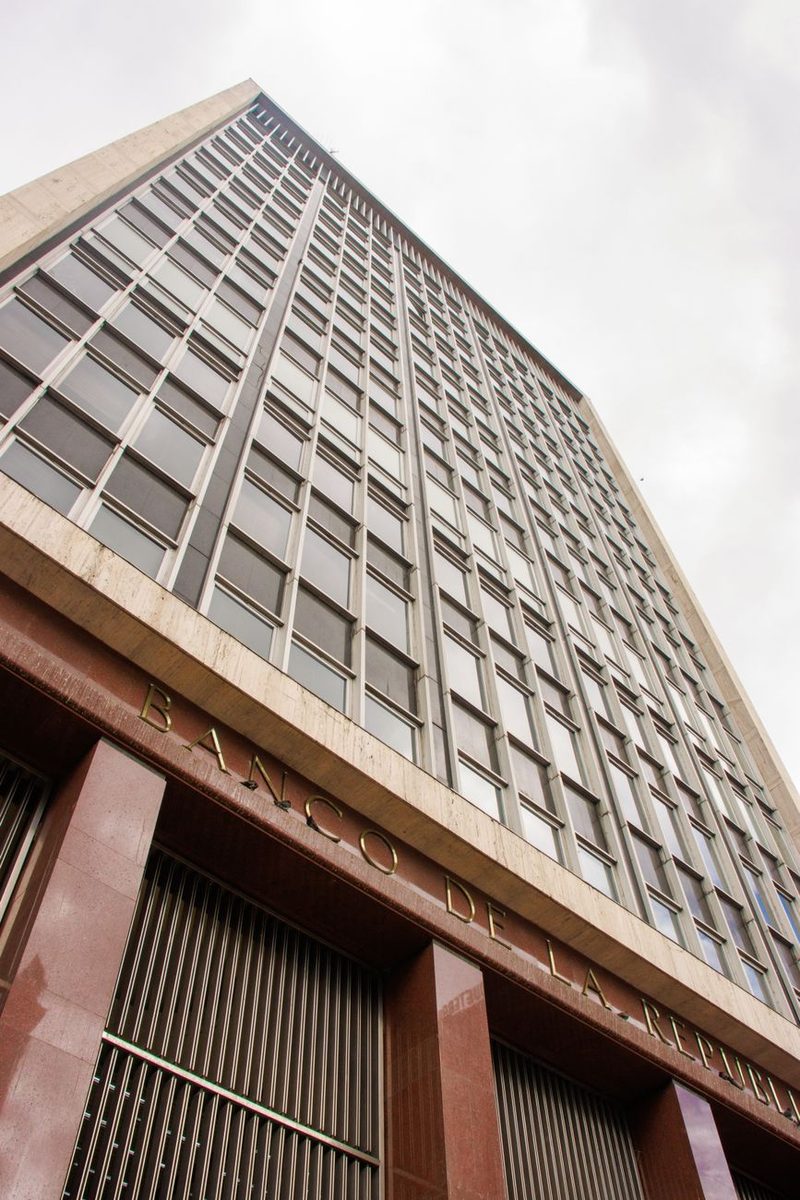
Colombia's central bank held its benchmark rate at 12.25% on October 30 in a 4-3 vote, with three directors pushing for another quarter-point hike. The board had raised the rate from 12% on September 30, the first policy decision of President Abelardo De La Espriella's term.

Annual inflation rose to 6.3% in September, more than double the 3% target, while core inflation eased to 6.0%. The bank also authorized a US$2 billion purchase of dollars from the National Government to build reserves. It said future decisions will depend on incoming data, including the government's fiscal adjustment bill.

Why it matters

A prolonged 12.25% rate keeps mortgages and business loans expensive while the government tries to cut spending and tame inflation.

Questions about this story

Free account needed to ask — your question is kept and asked for you right after sign-up. Answers are public.

No questions yet — be the first to ask.

Key Indicators

12.25%
Benchmark policy rate
Held at 12.25% on October 30 after a quarter-point rise from 12% on September 30. Three directors wanted another hike.
6.3%
Annual inflation, September 2026
Up from 6.2% in August and 5.1% at the end of 2025. Core inflation, excluding food and regulated prices, eased to 6.0%.
3%
Inflation target
The bank's long-run goal. Current price growth is more than double the target, and the bank expects to reach it only in 2028.
4–3
October 30 board vote
Four directors voted to hold at 12.25%; three wanted a 25-basis-point hike.
US$2B
Reserve purchase authorized
The board allowed the central bank to buy US$2 billion directly from the National Government to add to international reserves.

Voices

Curated perspectives — historical figures and your fellow readers.

Sign up to generate historical perspectives on this story.

People Involved

Organizations Involved

Timeline

June 2026 October 2026

7 events Latest: October 30th, 2026 · 1 week ago
Tap a bar to jump to that date
  1. BanRep holds rate at 12.25% in 4-3 vote

    Latest Policy

    Four directors voted to hold, three sought a quarter-point hike. The bank said the decision supports a restrictive policy consistent with lowering inflation in 2027.

  2. Board authorizes US$2 billion reserve purchase

    Policy

    BanRep will buy dollars directly from the National Government to add to its international reserves.

  3. Board member Moisá questions effect of further hikes

    Policy

    Codirectora Laura Moisá told Reuters that rate hikes may not slow inflation, which she sees as mostly a supply shock, but that they do hurt investment. She expects 2026 inflation around 6.5%, below the central bank technical team's 6.9% forecast.

  4. Villar presents Congress report; September inflation at 6.3%

    Policy

    Governor Villar's report to Congress showed September inflation at 6.3%, up from 5.1% at the end of 2025, with basic inflation at 6.0%. It warned that El Niño, Middle East energy costs and earthquake recovery complicate the path back to the 3% target.

  5. BanRep publishes minutes showing 4-2-1 split

    Policy

    The minutes of the September 30 meeting show four directors backed the hike, two wanted to hold, and one sought a 50-basis-point rise. The majority said inflation is no longer just supply shocks; dissenters said the rate already costs households and firms.

  6. BanRep hikes rate to 12.25%

    Policy

    In a 4-2-1 vote, the board raised the benchmark rate by 25 basis points, surprising markets that expected a hold. Inflation had climbed to 6.2%.

  7. BanRep holds rate at 12%

    Policy

    At its end-of-June meeting, the bank's board kept the benchmark rate at 12%, where it had settled after the easing cycle.

Scenarios

1

BanRep holds at 12.25%, cuts in late 2027

Likely Resolves by Q3 2027

Discussed by: BBVA Research

BBVA's base case. It expects incoming data to keep the board steady for several meetings, with the next move a rate cut around September 2027, as demand softens and inflation decelerates toward target.

2

El Niño and weak fiscal adjustment push BanRep to hike again

Possible Resolves by Q2 2027

Discussed by: BBVA Research

If El Niño price shocks become embedded in inflation expectations and the expected fiscal adjustment fails to materialize, the economy may need a higher real rate. That would mean additional hikes or a delayed start to easing.

3

Peso strength and softer demand bring earlier cuts

Possible Resolves by Q2 2027

Discussed by: BanRep board minutes; analysts cited in coverage

BanRep notes the peso's appreciation has yet to show fully in consumer prices. If the expected slowdown arrives, stronger exchange-rate pass-through could speed disinflation and bring the first cut before mid-2027.

4

BanRep hikes to 12.5% at the October 30 meeting

Deadline passed (Oct 30, 2026)

Discussed by: Outcome of the Banco de la República board vote, October 30, 2026

Did not happen. On October 30 the board voted 4-3 to hold the rate at 12.25%, with three directors seeking a quarter-point hike. The bank said future decisions depend on incoming inflation and fiscal data.

Historical Context

2 moments from history that rhyme with this story — and how they unfolded.

2015-2016

El Niño food inflation in Colombia (2015-2016)

A strong El Niño disrupted food supplies across Colombia, pushing annual inflation toward 9% by 2016, far above the central bank's target at the time.

Then

BanRep tightened policy as food prices surged, and inflation receded once the weather shock faded.

Now

The episode became the standard case of weather-driven inflation: painful in the moment but reversible if expectations stay anchored.

Why this matters now

Today's board explicitly worries El Niño will do the same, lifting food and regulated prices, and whether those rises stay temporary or feed into expectations.

2022-2023

Colombia's post-pandemic inflation surge (2022-2023)

Colombian inflation ran above 13% in 2022-2023 as post-pandemic demand and a weak peso pushed up prices. BanRep raised its policy rate above 13% and held it there for over a year.

Then

Inflation eventually fell back toward single digits, and the bank began a long easing cycle through 2024-2026, cutting from above 13% down to 12%.

Now

The episode left inflation expectations fragile, which the bank cites as a reason to respond firmly to renewed price pressure.

Why this matters now

It explains why BanRep is hiking now after easing: memories of the 2022-2023 surge make the board wary of letting temporary shocks become embedded.

Sources

(21)