

Pull to refresh
Logo
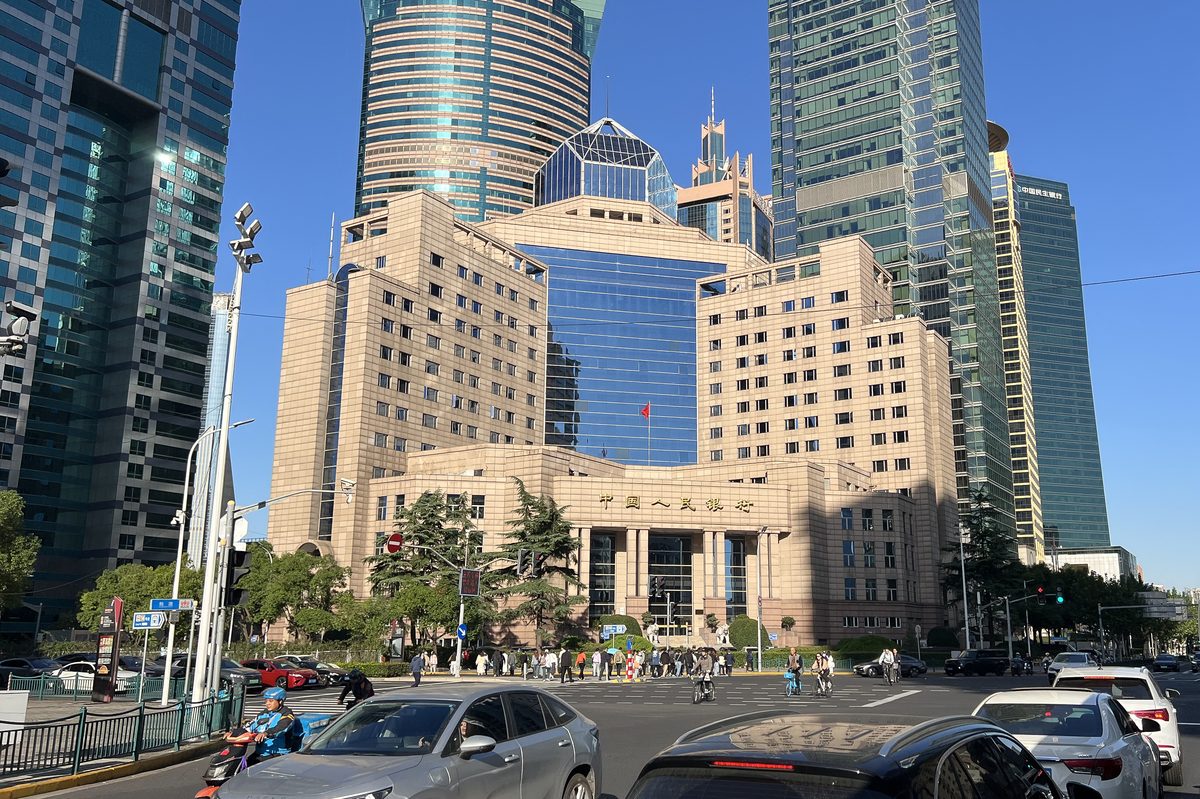
China raises forex reserve ratio to slow the yuan's climb

China raises forex reserve ratio to slow the yuan's climb

Rule Changes

The People's Bank of China lifts the foreign exchange deposit reserve requirement to 6% from 4%, draining about $24 billion as the yuan slides to a two-week low

Overview

Updated 4 days ago

The People's Bank of China will require banks to hold 6% of foreign currency deposits in reserve from November 15, up from 4%. That pulls roughly $24 billion of dollar liquidity out of the banking system. The yuan weakened on the news and kept sliding as the central bank set three weaker daily fixings in a row.

Analysts at MUFG, ANZ and Moody's say the move slows the yuan's rise rather than reversing it, because trade flows are doing the pushing. China's goods surplus hit a record $938.1 billion in January-September, and exporters converting dollars into yuan have left the market with more dollar supply than demand. Year-end settlement season begins just as the new ratio takes effect.

Why it matters

A stronger yuan makes Chinese exports costlier abroad; Beijing is trying to slow the climb without turning it around.

Questions about this story

Free account needed to ask — your question is kept and asked for you right after sign-up. Answers are public.

No questions yet — be the first to ask.

Key Indicators

6%
New FX reserve requirement ratio
Up from 4%, effective November 15, 2026.
2 pp
Size of the increase
Two percentage points, the first increase since December 2021.
$24B
Dollar liquidity withdrawn
Reuters calculation based on official FX deposit data; Economic Daily gives the same figure off about $1.2 trillion in foreign currency deposits.
6.7180
November 4 daily fixing
Third weaker midpoint in a row, 369 pips weaker than a Reuters estimate and the weakest since October 23.
$938.1B
Goods trade surplus, January-September
A record for the period, up from $726.2 billion a year earlier.
5%+
Yuan gain against dollar this year
The currency reached its strongest level since 2022 before the reserve hike.

Voices

Curated perspectives — historical figures and your fellow readers.

Sign up to generate historical perspectives on this story.

People Involved

Organizations Involved

Timeline

December 2021 November 2026

7 events Latest: 7 days ago
Tap a bar to jump to that date
  1. Higher 6% reserve ratio takes effect

    Upcoming Policy

    Financial institutions must hold the new ratio against foreign currency deposits.

  2. Yuan hits two-week low on third weaker fixing

    Latest Market

    The PBOC set the midpoint at 6.7180 per dollar, 369 pips weaker than a Reuters estimate and the third weaker fixing in a row. The onshore yuan fell to 6.6832, its weakest since October 19, before recovering to about 6.6794.

  3. PBOC raises FX reserve ratio to 6%

    Policy

    The two-point increase takes effect November 15 and drains about $24 billion in dollar liquidity. The onshore yuan fell as much as 0.37% to 6.6728 per dollar, its biggest one-day drop since May 15.

  4. Governor Pan outlines FX framework

    Statement

    At the Financial Street Forum, Pan warned against herd behavior and one-way bets.

  5. PBOC publishes FX policy stance

    Statement

    The central bank issued a document on its renminbi exchange-rate policy.

  6. PBOC cuts FX reserve ratio to 4%

    Policy

    The ratio was lowered from 6% to 4% to stem rapid yuan losses and capital outflows.

  7. PBOC raises FX reserve ratio to 9%

    Policy

    The central bank lifted the ratio from 7% to 9% as the yuan strengthened.

Scenarios

1

Yuan keeps rising, just more slowly

Likely Resolves by Q1 2027

Discussed by: ANZ's Zhaopeng Xing and MUFG's Marco Sun, both quoted by Reuters

The reserve hike trims dollar supply at the margin but does not offset the trade surpluses and corporate conversions pushing the yuan up. Appreciation continues at a gentler pace, and the PBOC keeps adjusting its daily fixing to manage speed rather than direction.

2

PBOC escalates with more tools

Possible Resolves by Q2 2027

Discussed by: PBOC Governor Pan Gongsheng's October remarks on macroprudential tools and direct intervention

If the yuan keeps climbing despite the reserve hike, the central bank adds measures: another reserve ratio increase, tighter forward-position rules, or direct dollar buying. Each step signals that Beijing sees the pace of appreciation as a problem worth more than a symbolic response.

3

Yuan reverses and weakens

Unlikely Resolves by Q2 2027

Discussed by: Yicai's cited expert, who flagged the inverted US-China interest rate gap and geopolitical risk

The wide gap between US and Chinese interest rates, or a shift in trade flows, pulls the yuan lower. The reserve hike then looks premature, and the PBOC pivots back toward supporting the currency as it did in 2023.

4

Year-end settlement tests the brake

Possible Resolves by Jan 31, 2027

Discussed by: Citics Securities research note cited by the South China Morning Post, and Reuters reporting on seasonal flows

Exporters typically convert more foreign earnings toward year-end and ahead of Lunar New Year. If that flow overwhelms the dollars drained by the higher reserve ratio, the yuan resumes its climb within weeks of the November 15 effective date, forcing the PBOC to set even weaker fixings or add tools.

Historical Context

2 moments from history that rhyme with this story — and how they unfolded.

2021

China's FX reserve ratio hikes (2021)

As the yuan strengthened through 2021, the People's Bank of China raised the foreign exchange reserve requirement ratio twice, reaching 9% in December. The tool forced banks to park more dollars with the central bank, tightening dollar supply onshore.

Then

The yuan kept appreciating into early 2022 before Federal Reserve rate hikes and a strong dollar reversed the trend.

Now

The episode established the reserve ratio as a two-way smoothing tool rather than a level-setting instrument.

Why this matters now

The 2026 hike is the first increase since then, and it is being used for the same reason: to slow a fast appreciation, not to end it.

September 2023

China's FX reserve ratio cut (2023)

With the yuan weakening and capital flowing out, the PBOC cut the foreign exchange reserve requirement ratio to 4% from 6%. Lowering the ratio freed dollar liquidity in the banking system and eased pressure on the currency.

Then

The cut supported the yuan and signaled the central bank's discomfort with rapid depreciation.

Now

The ratio stayed at 4% for more than three years, the level the 2026 hike now reverses.

Why this matters now

The 2026 move is a direct reversal of the 2023 cut, showing how the same tool flips direction with the currency cycle.

Sources

(10)