

Pull to refresh
Logo
China widens export-control blacklist of Japanese defense entities

China widens export-control blacklist of Japanese defense entities

Rule Changes

A second blacklist in four months raises a regulatory wall between Asia's two largest economies

June 29th, 2026: Second blacklist targets defense institutes

Overview

Updated Jun 29

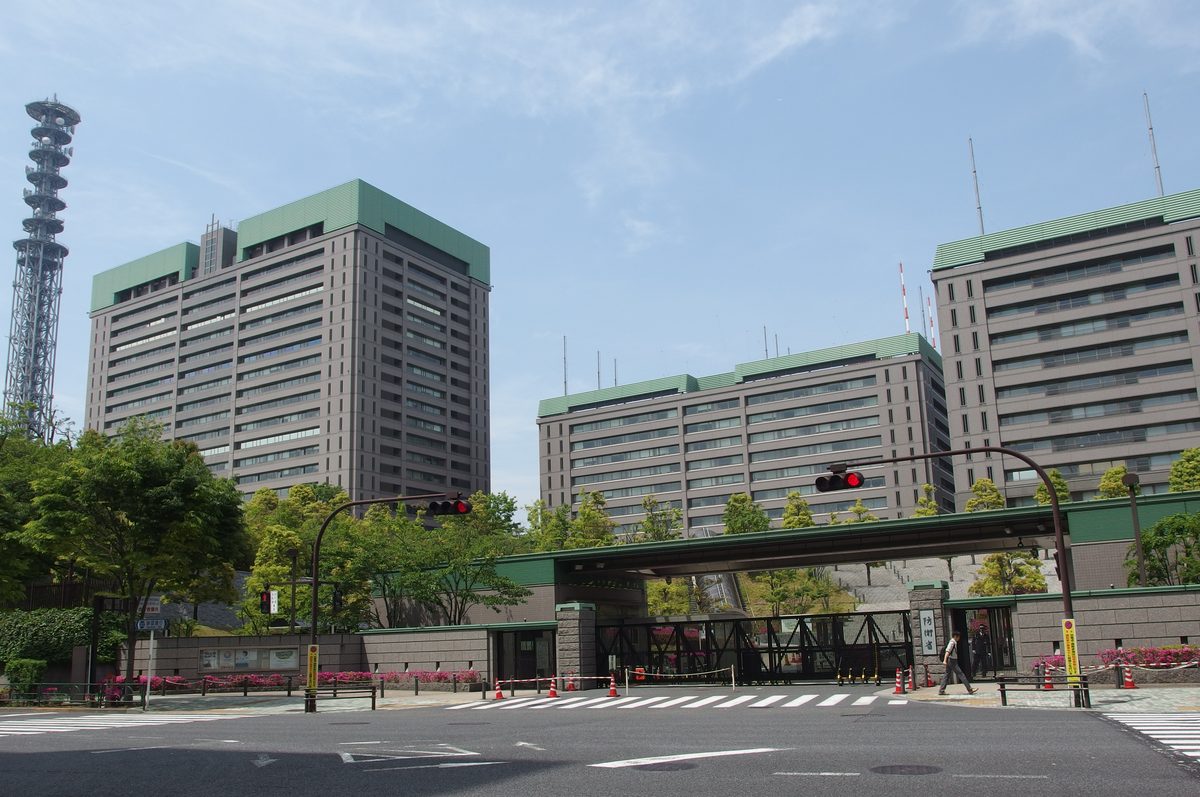
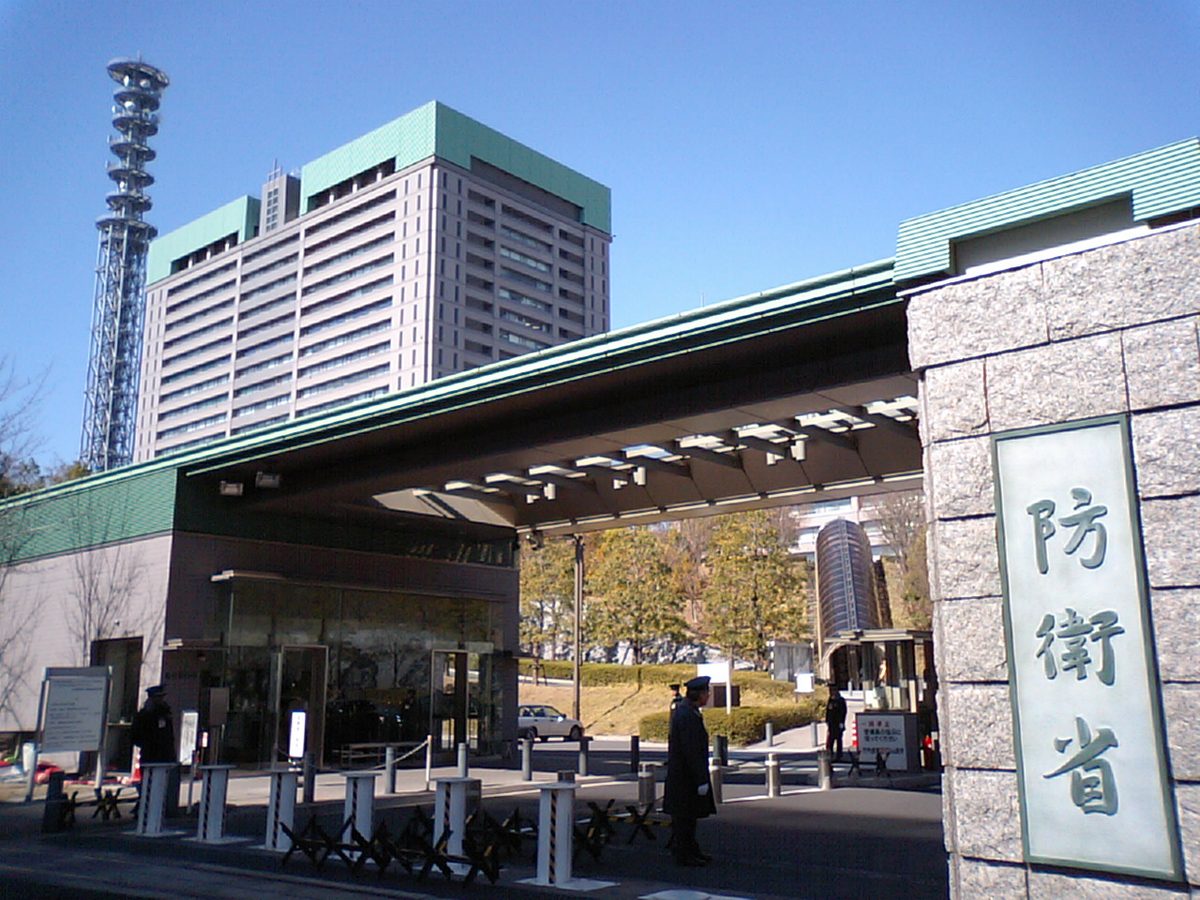
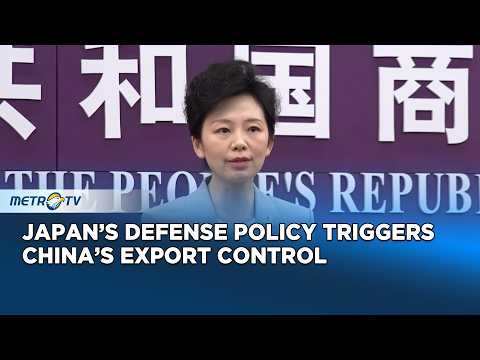
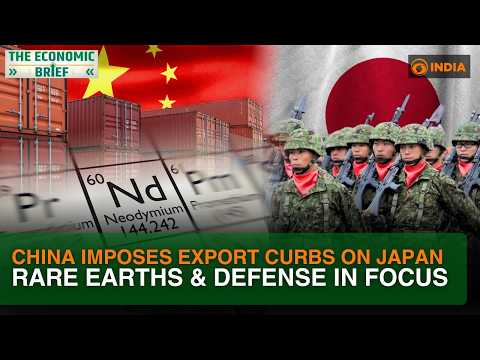
China told its exporters to stop selling sensitive goods to 20 more Japanese organizations, including the government's main defense research institute. It is the second such blacklist in four months, and it widens a trade barrier between the world's second- and fourth-largest economies.

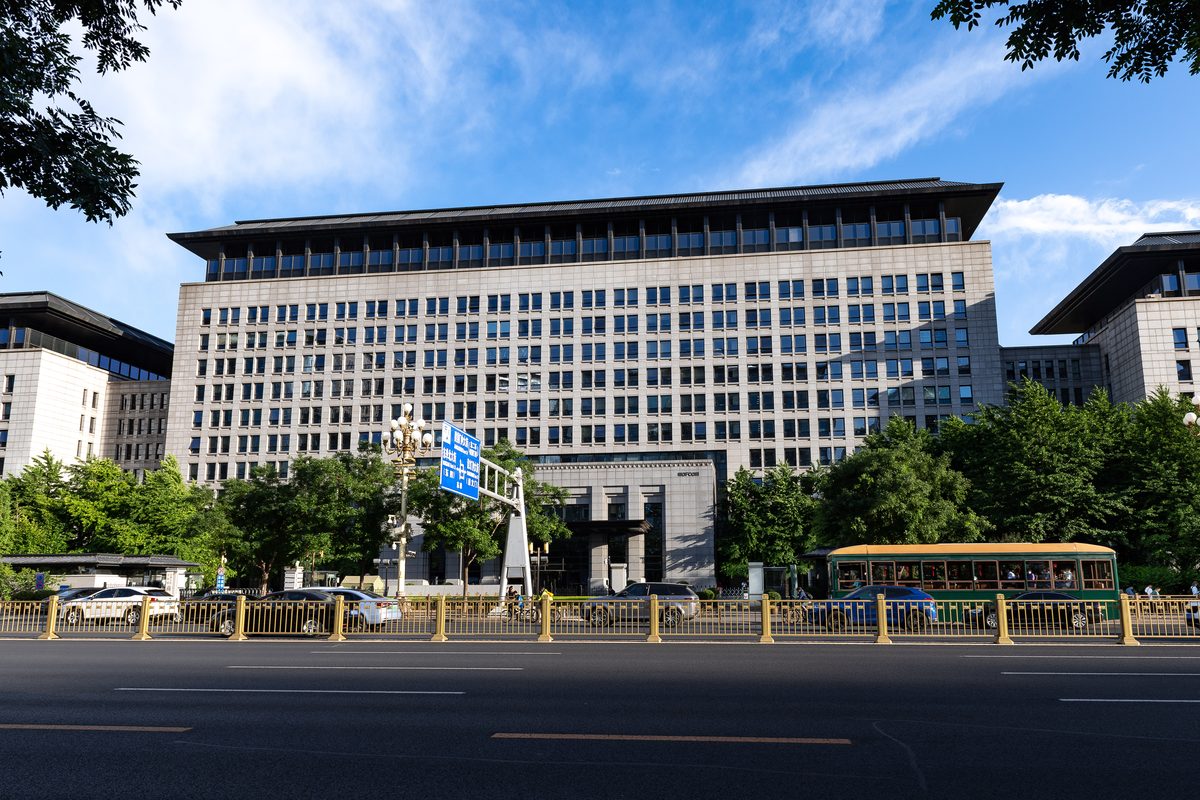
The banned items are 'dual-use' goods: civilian products that also have military uses, such as advanced sensors, drones, and precision machine tools. The rule also bars other countries from re-exporting Chinese-origin dual-use goods to the listed firms. That reach turns a bilateral fight into a problem for any global supplier that handles Chinese components.

Why it matters

A regulatory wall is rising between Asia's two biggest economies, raising costs and supply risk for defense, drone, and shipbuilding firms across the region.

Questions about this story

Free account needed to ask — your question is kept and asked for you right after sign-up. Answers are public.

No questions yet — be the first to ask.

Key Indicators

20
Entities blacklisted
Japanese organizations barred from receiving Chinese dual-use exports as of June 29.
20
Entities added to watchlist
Firms whose orders now require exporter risk assessments before shipment.
~80
Japanese entities targeted since February
Cumulative total across the February and June listing rounds.
~$300B
Annual bilateral trade
Rough yearly goods trade between China and Japan now exposed to friction.

Voices

Curated perspectives — historical figures and your fellow readers.

Ever wondered what historical figures would say about today's headlines?

Sign up to generate historical perspectives on this story.

People Involved

Organizations Involved

Timeline

November 2025 June 2026

5 events Latest: June 29th, 2026 · 2 months ago
Tap a bar to jump to that date
  1. Second blacklist targets defense institutes

    Latest Regulatory

    China adds 20 entities to its blacklist and 20 to a watchlist, including the National Institute for Defense Studies and Mitsubishi-affiliated firms. Japan calls the move unacceptable.

  2. First blacklist of 40 entities

    Regulatory

    China lists 40 Japanese firms and institutes, including subsidiaries of Mitsubishi Heavy Industries, Kawasaki Heavy Industries, and IHI.

  3. Dual-use export ban on Japanese military users

    Regulatory

    China's Commerce Ministry bans exports of all dual-use items to Japanese military end-users, effective immediately.

  4. China halts Japanese seafood imports

    Trade

    Beijing suspends seafood purchases, citing Fukushima water testing, an early economic countermeasure in the dispute.

  5. Takaichi's Taiwan remarks

    Statement

    Japan's prime minister tells parliament a Chinese attack on Taiwan could be an existential crisis, hinting at military response.

Scenarios

1

China adds a third round of Japanese entities

Likely Resolves by Jun 29, 2027

Discussed by: South China Morning Post and CNBC coverage of the escalating pattern

Beijing has now listed roughly 80 Japanese entities across two rounds since February, each citing the same militarization concerns. With Takaichi holding her position and no thaw in sight, the most likely near-term path is another batch of designations. A third round would confirm a steady tit-for-tat rhythm rather than a one-off signal.

2

Japan imposes its own countermeasures

Possible Resolves by Jun 29, 2027

Discussed by: Al Jazeera and Japan Times coverage of Tokyo's response

Japan has so far answered with words, calling the controls unacceptable and demanding revocation. If pressure on its defense and drone industries grows, Tokyo could match it with reciprocal export restrictions on Chinese firms through its trade ministry. That would mark a shift from protest to retaliation.

3

Beijing and Tokyo reach a de-escalation deal

Unlikely Resolves by Jun 29, 2027

Discussed by: East Asia Forum analysis of the diplomatic standoff

A leader-level meeting or back-channel deal could unwind some measures, starting with restored seafood imports or the removal of listed entities. This would require movement on the Taiwan remarks that triggered the dispute, which neither side has signaled. It is the least likely path in the near term.

4

Japan challenges the controls at the WTO

Uncertain Resolves by Jun 29, 2027

Discussed by: Trade-law commentators citing Japan's 2010 rare-earth precedent

Japan took China to the World Trade Organization over rare-earth restrictions in 2012 and won. It could try the same route here, requesting formal consultations over the dual-use controls. A WTO case would internationalize the dispute and test how far security exemptions stretch.

Historical Context

3 moments from history that rhyme with this story — and how they unfolded.

September 2010

China's rare-earth halt to Japan (2010)

After a collision between a Chinese fishing boat and Japanese coast guard vessels near the disputed Senkaku Islands, China slowed rare-earth exports to Japan. Those minerals are vital for electronics and auto manufacturing. Beijing denied a formal ban.

Then

Japanese firms faced supply scares and price spikes for months.

Now

Japan diversified suppliers, stockpiled materials, and joined a WTO case that China lost in 2014.

Why this matters now

Beijing is again using control over critical goods to apply pressure over a security dispute. The 2010 episode shows Japan can adapt, and that the WTO can rule against China.

2017

China's pressure on South Korea over THAAD (2017)

South Korea hosted a U.S. missile-defense system, THAAD, that China opposed. Beijing answered with an unofficial boycott: shuttered Lotte stores, banned group tours, and squeezed Korean firms.

Then

South Korea's tourism and retail sectors lost billions in revenue.

Now

Ties partly thawed in late 2017 after Seoul offered reassurances, but the system stayed.

Why this matters now

It is the clearest recent template for Chinese economic coercion tied to a neighbor's security choices, and it shows such pressure rarely forces a full policy reversal.

2020-2021

China's trade curbs on Australia (2020)

After Australia called for an independent inquiry into the origins of COVID-19, China imposed tariffs and informal bans on Australian barley, wine, coal, and other goods. Beijing denied political motives.

Then

Australian exporters lost access to their biggest market and redirected shipments.

Now

Most curbs were lifted by 2023-2024 after a change in government and quieter diplomacy.

Why this matters now

It shows the typical arc of these disputes: sharp restrictions, supply chains rerouting, then a gradual easing once politics shift, often over several years.

Sources

(8)