
Pull to refresh
Logo
Mercy Housing buys one of Uptown's last SROs out of foreclosure, preserving it as affordable housing

Mercy Housing buys one of Uptown's last SROs out of foreclosure, preserving it as affordable housing

Money Moves Chicago, IL local

Mercy Housing Lakefront won $20 million in tax-increment financing for the $59.2 million rehab, with construction targeted to finish in 2028

Overview

Updated Oct 28

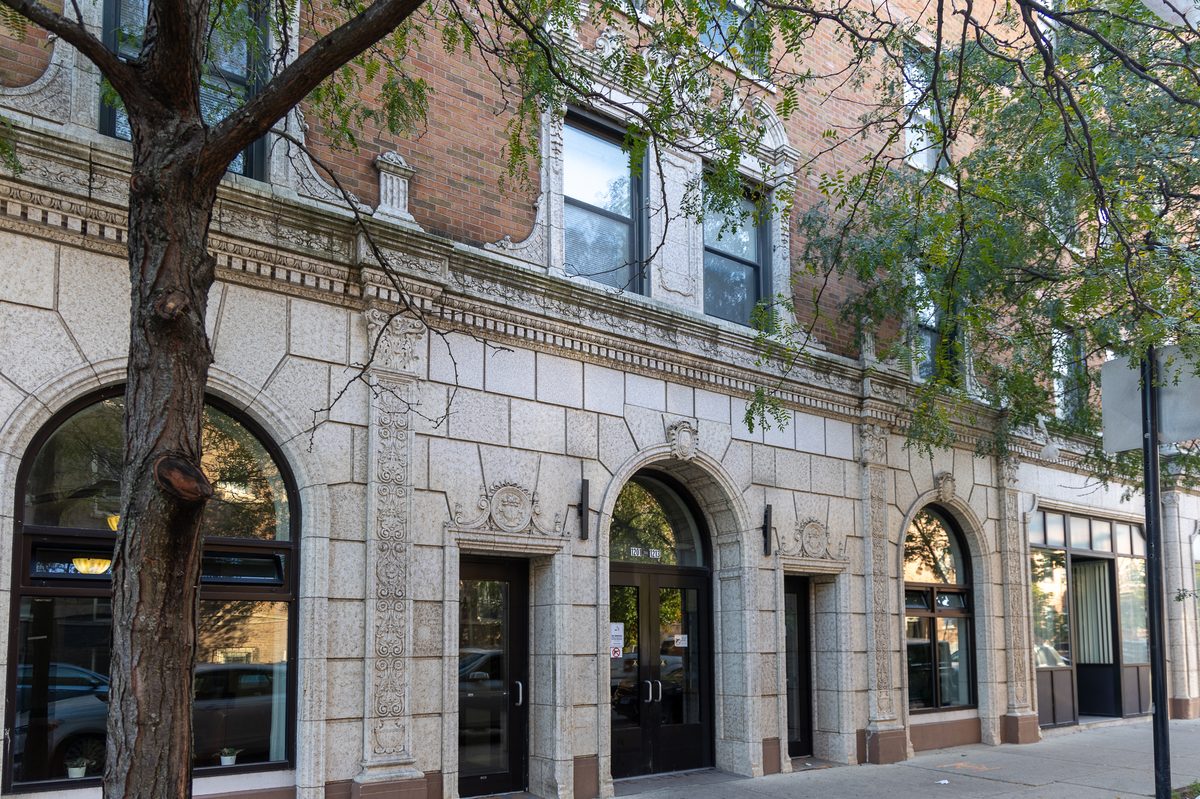
The city's Community Development Commission approved $20 million in tax-increment financing for the Leland, a subsidy that sends growth in an area's property tax revenue to the $59.2 million rehab. Mercy Housing Lakefront aims to close its construction loan in June 2027 and finish the work in September 2028, according to a city housing department staff report.

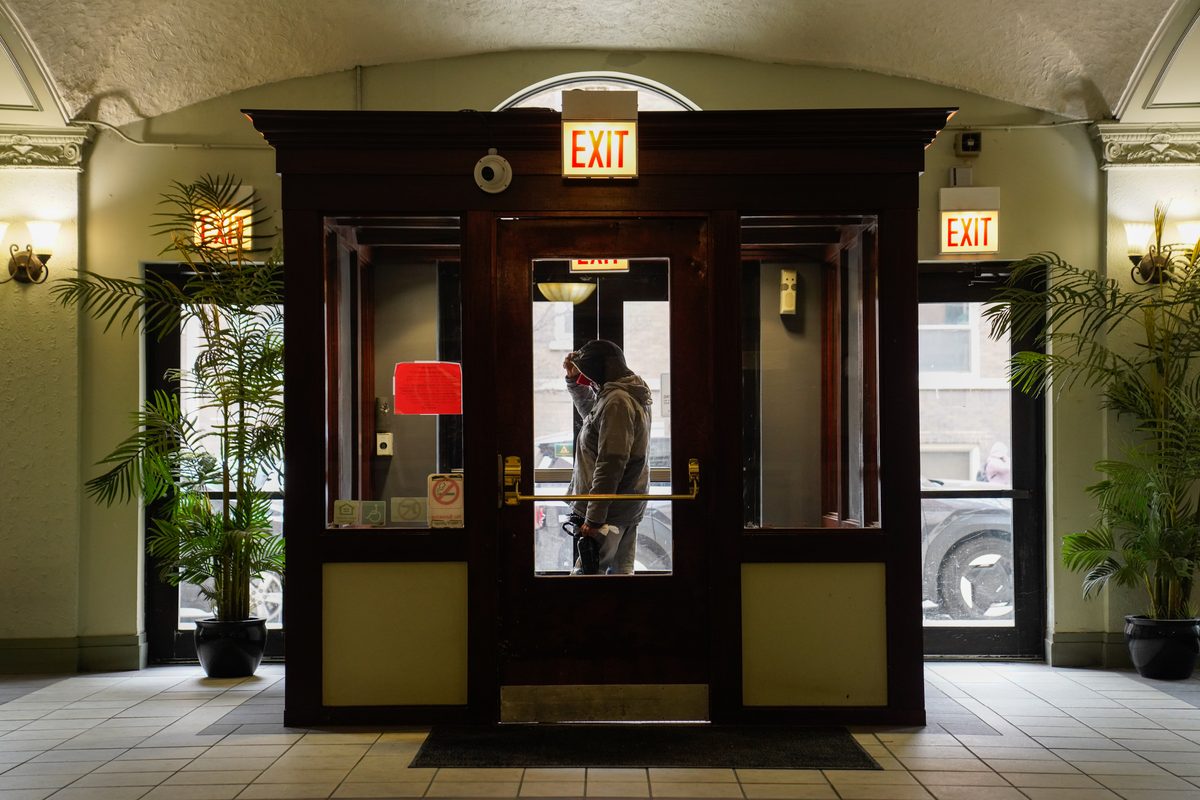
The renovation cuts the building at 1207 W. Leland Ave. from 137 single-room units to 107. Forty-one will be master-leased to Trilogy, a nonprofit serving chronically homeless people, and 22 are reserved for veterans through HUD-VASH vouchers; the rest carry Chicago Housing Authority project-based vouchers. Tenants pay 30% of income, and about 100 of the current 137 units are occupied.

Why it matters

Every SRO Chicago loses shrinks the housing left for people on fixed incomes, veterans and formerly homeless residents.

Last Monday's email for Chicago, IL

Sent Nov 9. It carried:

Get next Monday's: one short email a week. Free. Unsubscribe in one click.

Questions about this story

Free account needed to ask — your question is kept and asked for you right after sign-up. Answers are public.

No questions yet — be the first to ask.

Key Indicators

107
Affordable units after renovation
Down from 137 current units in the Leland; about 100 are occupied now.
$59.2M
Total project cost
Figure from the city housing department's staff report to the Community Development Commission.
$20M
Tax-increment financing approved
Approved by the Community Development Commission for the rehab.
41
Units master-leased to Trilogy
Trilogy serves chronically homeless individuals and will hold the master lease on these units.
30%
Maximum share of tenant income paid as rent
Supported by Chicago Housing Authority and federal housing vouchers.

Voices

Curated perspectives — historical figures and your fellow readers.

Sign up to generate historical perspectives on this story.

People Involved

Organizations Involved

Timeline

1926 June 2027

12 events Latest: October 26th, 2026 · 2 weeks ago Showing 8 of 12
Tap a bar to jump to that date
  1. Construction financing targeted to close

    Upcoming Planned

    City staff set a June 2027 construction loan closing and a September 2028 return to service for the roughly 12-month rehab.

  2. Block Club Chicago reports the rescue

    Latest News

    Article details the acquisition, planned renovation, and tenant impact.

  3. Residents and officials celebrate preservation

    Celebration

    About 60 tenants and organizers gather in the building's community room.

  4. City panel approves $20 million in TIF for the Leland

    Financing

    The Community Development Commission approved tax-increment financing for the $59.2 million rehab and recommended Mercy Housing Lakefront as developer.

  5. Building leaves foreclosure; Mercy Housing takes ownership

    Ownership

    City and state secure funding via grants, tax credits, and philanthropy.

  6. Rally and foreclosure court push

    Rally

    About 100 people rally; tenants advocate for themselves in foreclosure court.

  7. Heartland Housing dissolves

    Financial Crisis

    Leland enters receivership and foreclosure proceedings after owner's collapse.

  8. Save the Leland campaign launches

    Campaign

    Tenants and ONE Northside begin organizing to preserve the building.

  9. Building fails five city inspections

    Inspection

    Failures mainly over elevator and maintenance issues, city records show.

  10. $15 million renovation preserves SRO use

    Preservation

    Building updated and kept as single-room occupancy housing.

  11. Added to National Register of Historic Places

    Preservation

    The Leland earns historic designation.

  12. Leland designed by Dubin and Eisenberg

    Opening

    Henry Dubin and Abraham Eisenberg designed the Spanish-Baroque revival apartment hotel. City housing records date the building to 1927.

Scenarios

1

Leland renovation begins on schedule in 2027

Likely Resolves by End of 2027

Discussed by: Mercy Housing Lakefront and city housing officials

Mercy Housing has committed to a 2027 start. The organization has delivered similar SRO rehabs in Uptown, including the Miriam Apartments, which completed a gut rehab with layered public and private funding. If the grant, tax credit, and philanthropic funding holds, construction will begin as planned and tenants will move back in phases.

2

Leland renovation delayed or scaled back

Possible Resolves by Q2 2028

Discussed by: Affordable housing developers tracking layered funding projects

Affordable housing projects that depend on multiple funding sources often slip. Construction costs could rise, a grant could fall through, or permitting could take longer than expected. The unit count could also drop below the planned 107 if the scope changes.

3

Leland rescue spurs preservation of another Uptown SRO

Uncertain Resolves by End of 2028

Discussed by: ONE Northside and housing advocates

The Save the Leland playbook, tenant organizing, foreclosure court advocacy, and assembled public-private funding, could be applied to other at-risk SROs in Uptown. The neighborhood has lost many such buildings to redevelopment, and advocates say the Leland shows a viable alternative exists.

Historical Context

3 moments from history that rhyme with this story — and how they unfolded.

2014

Lawrence House conversion to luxury apartments (2014)

Lawrence House, an Uptown building originally opened as a luxury apartment hotel in the 1920s, was subdivided into single-room occupancy units during the Great Depression. In 2014, developer Cedar Street Company converted it into luxury apartments, displacing the low-income residents who had lived there.

Then

Longtime residents left as the building was renovated and re-rented at market rates.

Now

The conversion became a reference point for Uptown's gentrification and the steady loss of its SRO stock.

Why this matters now

Shows what could have happened to the Leland without the nonprofit purchase: the neighborhood's pattern has been conversion, not preservation.

Late 1970s - early 1980s

Uptown arson-for-profit wave (late 1970s - early 1980s)

As Uptown redevelopment picked up in the 1970s, landlords and developers used arson to clear tenants from SRO buildings slated for renewal. Community groups documented fires and deaths, and tenant unions organized rent withholding and protests against what they called 'arson for profit.'

Then

Organizing pushed back against the arson wave, though it took years and drew citywide attention to the neighborhood.

Now

The era entrenched tenant organizing as a force in Uptown's housing politics.

Why this matters now

Uptown's history of displacement battles frames why the Leland's preservation matters to residents: it is the latest chapter in a long fight over who gets to live there.

Mid-2020s

Miriam Apartments modernization (mid-2020s)

Mercy Housing Lakefront modernized the Miriam, a 1925 SRO in Uptown, spending $20.5 million to convert shared bathrooms and kitchens into private ones. The project added amenities and secured 20-year project-based rental assistance for all 66 units. Residents began moving back in during the spring after the work.

Then

The building's 66 units remain affordable, with residents paying no more than 30% of income.

Now

The Miriam shows Mercy Housing can execute SRO rehabs with complex funding in this neighborhood.

Why this matters now

Serves as Mercy Housing's template and track record for the Leland project: the same nonprofit, the same neighborhood, the same approach.

Sources

(7)