


Pull to refresh
Logo
Northwestern Medicine launches Transplant Institute

Northwestern Medicine launches Transplant Institute

New Capabilities Chicago, IL local

Four programs merged into one unit with $26M, 300 staff and 37 patients off anti-rejection drugs

Overview

Updated Oct 30

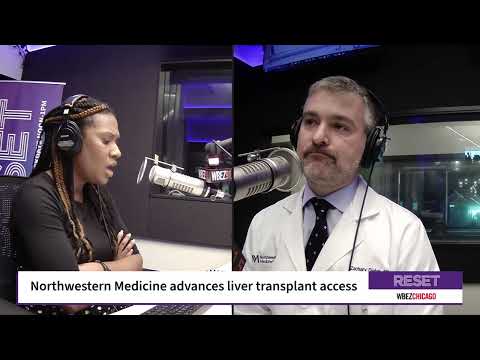
Northwestern Medicine's new Transplant Institute, launched October 27 with about $26 million in donations and roughly 300 staff, is betting that organ recipients can eventually stop taking anti-rejection drugs. Thirty-seven of its patients already have, Dr. Satish Nadig said, which he says is more than any other program in the world.

The institute merges four programs: the organ transplant centers, plus centers for transplant research and education, transplant access, and transplant innovation. It opened a month after Northwestern's 3,000th liver transplant, and after a year in which the system did 691 transplants, its most ever and among the top 10 nationally.

Why it matters

If immune tolerance research succeeds, 4,700 Illinoisans waiting for organs could face shorter waits — and recipients might stop taking anti-rejection drugs.

Last Monday's email for Chicago, IL

Sent Nov 9. It carried:

Get next Monday's: one short email a week. Free. Unsubscribe in one click.

Questions about this story

Free account needed to ask — your question is kept and asked for you right after sign-up. Answers are public.

No questions yet — be the first to ask.

Key Indicators

$26M
Philanthropic funding raised
Startup backing for the new institute, raised before launch.
691
Transplants performed in 2025
Most in Northwestern Medicine's history; the system says it ranks among the nation's top 10 by volume.
37
Patients off anti-rejection drugs
Recipients no longer taking immunosuppressants, per Dr. Satish Nadig, who says that is more than anywhere else.
4,700+
Illinoisans waiting for an organ
As of October 2026, majority waiting for a kidney donor.
12,100+
Solid organ transplants since 1964
Cumulative at Northwestern since the transplant center was founded.
300
Institute staff
Includes surgeons, nurses, social workers and researchers.

Voices

Curated perspectives — historical figures and your fellow readers.

Sign up to generate historical perspectives on this story.

People Involved

Organizations Involved

Timeline

1964 October 2026

7 events Latest: October 27th, 2026 · 2 weeks ago
Tap a bar to jump to that date
  1. Northwestern Medicine launches Transplant Institute

    Latest Launch

    Four programs consolidated into one unit; $26M raised; 300 staff.

  2. Daughter donates kidney to father at Northwestern

    Patient story

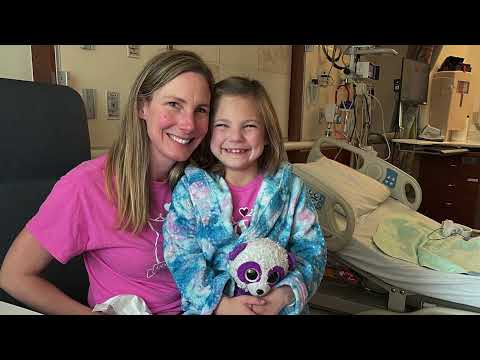
    Arthur Nichols, 70, receives a kidney from his 42-year-old daughter Natalie.

  3. Northwestern performs its 3,000th liver transplant

    Milestone

    A Northwestern spokesperson said the institute launched about a month after the health system's 3,000th liver transplant.

  4. Northwestern Medicine performs 691 transplants

    Volume update

    Total across all organs, the most in Northwestern Medicine's history; the system says it ranks among the top 10 nationally by volume.

  5. Northwestern performs its 10,000th abdominal transplant

    Milestone

    First Illinois health system to reach the milestone.

  6. Record year of 518 abdominal transplants

    Milestone

    Kidney, liver, and pancreas transplants hit a record annual count.

  7. Northwestern's Organ Transplant Center is founded

    Milestone

    Program begins performing solid organ transplants in Chicago.

Scenarios

1

Northwestern reports immune tolerance success in new trial

Possible Resolves by End of 2028

Discussed by: Northwestern Medicine research leadership; transplant community

The institute's flagship research goal is helping patients stop taking anti-rejection drugs, which most organ recipients take for life. Northwestern already says it has the most patients in the world who no longer need those drugs. A published trial showing a majority of enrolled patients can safely discontinue immunosuppression would match the impact of cyclosporine's arrival in the 1980s.

2

Northwestern tops 1,000 transplants in a year

Possible Resolves by End of 2028

Discussed by: UNOS/OPTN annual data analysts

The institute's consolidation aims to grow volume beyond last year's 691 transplants. It now covers all organs, including pediatric, and operates access programs for Black and Hispanic patients that could expand the donor and recipient pool. Reaching 1,000 would make Northwestern one of the five busiest US transplant programs.

3

Northwestern's waitlist disparities narrow

Possible Resolves by End of 2028

Discussed by: Health equity researchers at Northwestern; OPTN data

The institute's access programs — the Hispanic Transplant Program (founded 2006) and African American Transplant Access Program (founded 2019) — aim to reduce wait time and transplant rate disparities. Measurable progress, tracked by race and ethnicity in transplant data, would show whether dedicated equity programs can move the needle in a major transplant center.

Historical Context

3 moments from history that rhyme with this story — and how they unfolded.

December 1954

First successful kidney transplant (1954)

Dr. Joseph Murray transplanted a kidney from Ronald Herrick to his identical twin brother Richard at Peter Bent Brigham Hospital in Boston. Because the twins were genetically identical, there was no rejection.

Then

Richard lived eight more years; the success proved organ transplantation was medically possible.

Now

Murray won the Nobel Prize in 1990; his technique underpinned thousands of transplants and drove the search for immunosuppression.

Why this matters now

The field's foundational breakthrough came from a deliberate attempt to do something never done before — the same posture Northwestern's new institute claims.

1983

Cyclosporine approval (1983)

The FDA approved cyclosporine, an immunosuppressant that prevented organ rejection far more effectively than earlier drugs. Discovered in 1976, it transformed transplantation from a last-ditch experiment into a routine procedure.

Then

Transplant survival rates jumped sharply and programs expanded worldwide.

Now

Cyclosporine became a cornerstone of immunosuppression but locked patients into lifelong drug regimens — the very thing Northwestern's tolerance research aims to change.

Why this matters now

Nadig says transplant medicine has stagnated since the 1990s; the next breakthrough would need to match cyclosporine's impact.

1984

National Organ Transplant Act (1984)

Congress passed the National Organ Transplant Act, creating the Organ Procurement and Transplantation Network (OPTN) and a national organ transplant waiting list. It also made buying and selling organs illegal.

Then

A national allocation system replaced ad hoc regional arrangements; equity became an explicit goal.

Now

The waitlist has grown to roughly 100,000 people nationwide, far outpacing donations — the demand problem Northwestern's access programs try to address.

Why this matters now

The 1984 law set the equity agenda in organ allocation; Northwestern's Hispanic and African American access programs work on that same problem today.

Sources

(6)