
Pull to refresh
Logo
CTA board approves $40 million accessibility overhaul for California Blue Line station

CTA board approves $40 million accessibility overhaul for California Blue Line station

Built World Chicago, IL local

Two new elevators for a station that drew 1.1 million riders in 2025, part of the CTA's push to make all rail stations accessible by 2038.

Overview

Updated Oct 30

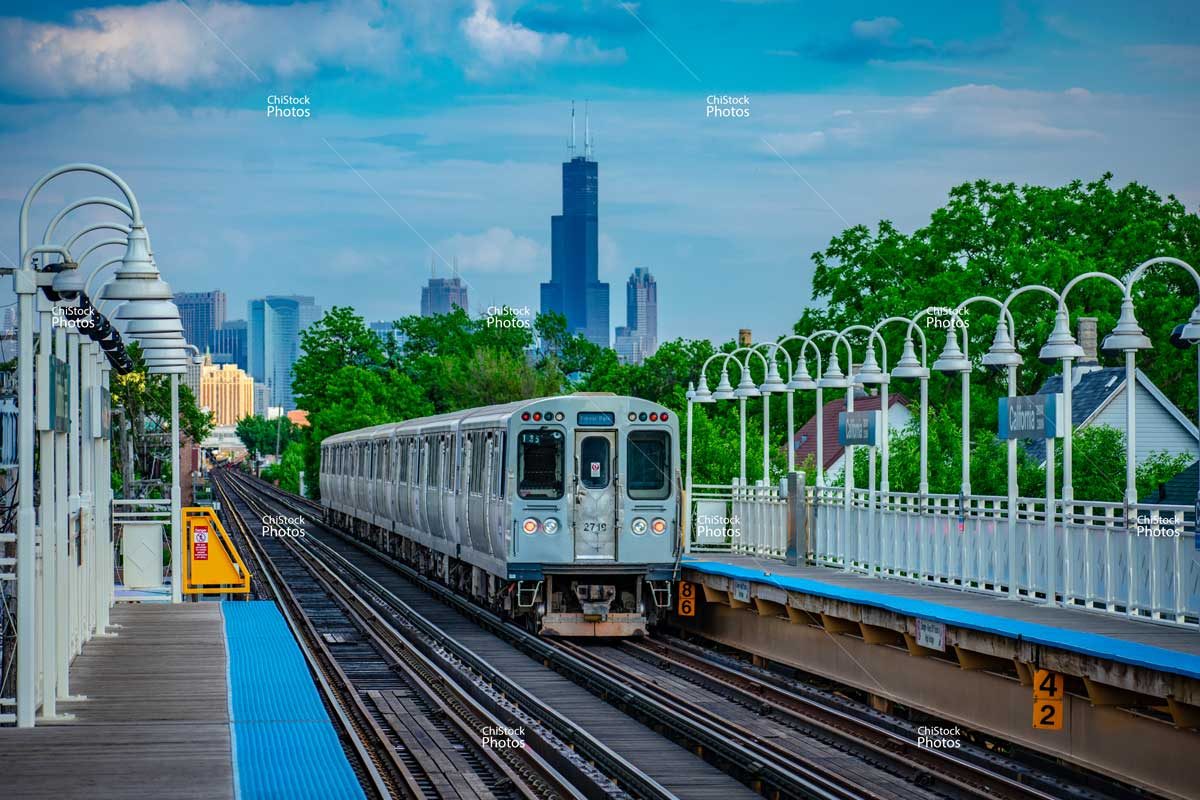
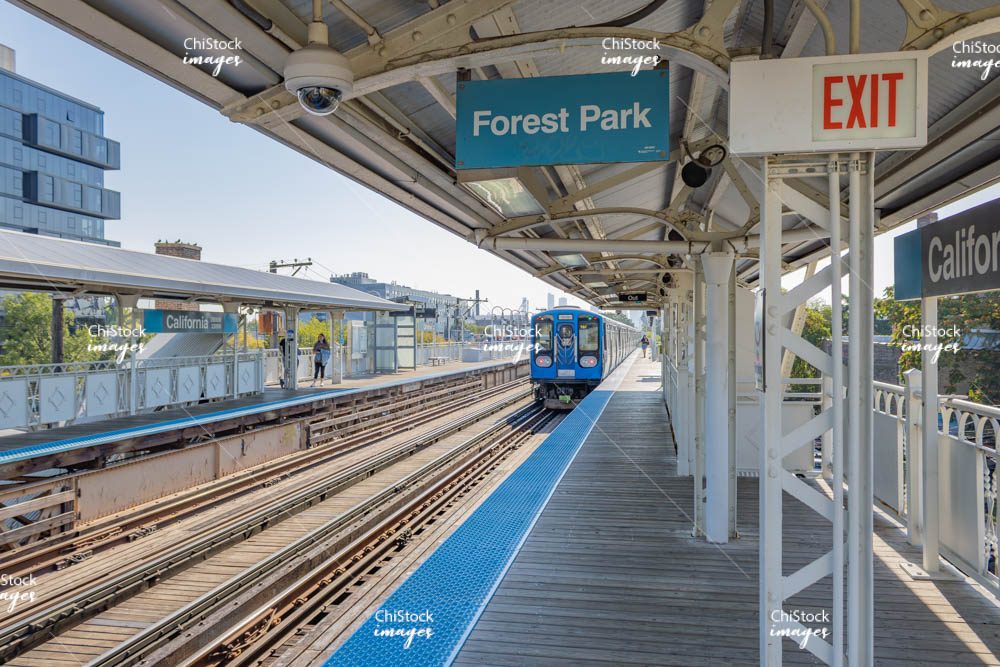
On October 27, 2026, the Chicago Transit Board approved a contract of up to $39.9 million for the California Blue Line station, which had 1.1 million entries in 2025. F.H. Paschen and S.N. Nielsen & Associates, LLC, won the job. Work adds two elevators, new stairs and accessible doors, and construction is set to start in the fourth quarter of 2027.

The board also approved a $225,000 payment to property owners Karina and Victor Drapszo for a permanent aerial easement and a two-year temporary construction easement at 2717 West St. George's Court. A temporary stationhouse and entrance will be built there while work proceeds. The project is part of the CTA's All Stations Accessibility Program, which targets 2038. A 2024 Chicago Sun-Times report, cited by Hoodline, put the program's cost estimate at $4.98 billion, up from $2.1 billion in 2018.

Why it matters

Many CTA stations remain unusable for riders with disabilities; this $40 million retrofit is one step toward the system's 2038 accessibility goal.

Last Monday's email for Chicago, IL

Sent Nov 9. It carried:

Get next Monday's: one short email a week. Free. Unsubscribe in one click.

Questions about this story

Free account needed to ask — your question is kept and asked for you right after sign-up. Answers are public.

No questions yet — be the first to ask.

Key Indicators

$40M
California station construction contract
Approved by the CTA board in October 2026, funded by state transportation and local TIF money.
1.1M
California station riders (2025)
Annual commuters cited by the CTA.
2038
Deadline for all-station accessibility
CTA target to make 100% of rail stations fully accessible.

Voices

Curated perspectives — historical figures and your fellow readers.

Sign up to generate historical perspectives on this story.

People Involved

Organizations Involved

Timeline

2014 October 2026

3 events Latest: October 27th, 2026 · 2 weeks ago
  1. CTA board approves $40 million accessibility renovation for California station

    Latest Decision

    Board approved construction contracts adding two elevators, new stairs and accessible doors, funded by state transportation and local TIF money.

  2. Board approves $225,000 easement payment for St. George's Court site

    Decision

    The board approved paying Karina and Victor Drapszo $225,000 for a permanent aerial easement and a two-year temporary construction easement at 2717 West St. George's Court. The site will host the temporary stationhouse.

  3. California Blue Line station renovated under Your New Blue Project

    Infrastructure

    Station received new lighting, signage, refurbished walls, stairs, platforms and bicycle racks. The Sun-Times dates this work to 2014, while the CTA says the station was renovated in 2015.

Scenarios

1

California Blue Line station reopens fully accessible by end of 2030

Likely Resolves by End of 2030

Discussed by: CTA project schedule

Construction starts in the fourth quarter of 2027 and proceeds on schedule. The station reopens with two working elevators, new stairs and accessible doors. A temporary stationhouse at St. George's Court keeps the station serving riders during the build.

2

Cost overruns or delays push California station completion past 2030

Possible Resolves by End of 2031

Discussed by: Pattern of past CTA capital projects

The project hits funding or construction delays, a pattern seen across CTA capital work. The board approves supplemental funding, or the reopening slides past 2030, keeping the temporary stationhouse in service longer than planned.

3

CTA's 2038 all-stations accessibility deadline slips

Possible Resolves by End of 2038

Discussed by: Transit advocates tracking the program's pace

With per-station costs running tens of millions of dollars, the CTA's retrofit pace may not reach 100% of stations by 2038. If funding or construction speed does not accelerate, the authority revises its target or stretches the deadline past the announced year.

Historical Context

3 moments from history that rhyme with this story — and how they unfolded.

July 1990

Americans with Disabilities Act (1990)

Congress passed the ADA, requiring public transit to be accessible to people with disabilities. New construction had to comply, but existing stations were held to a looser 'program access' standard, so most stations built before 1990 stayed inaccessible.

Then

Transit agencies added elevators and ramps to new projects and major renovations, but most older stations remained out of reach.

Now

Decades later, agencies like the CTA face retrofits costing tens of millions per station — the direct legacy of the ADA's grandfathering of old infrastructure.

Why this matters now

The ADA is the legal mandate behind the CTA's All Stations Accessibility Program. The California station's $40 million retrofit is one small piece of that unfinished obligation.

2000s–present

Washington Metro's accessibility program

WMATA committed to making its rail system fully accessible, working station-by-station to add elevators to stations built before accessibility standards. The effort spans decades and billions of dollars.

Then

A steady stream of individual station projects, each requiring its own engineering and funding.

Now

WMATA's experience shows how slow and costly full-system retrofit is, with every station demanding multi-year construction.

Why this matters now

Washington's station-by-station grind mirrors the CTA's approach, foreshadowing the pace and cost challenges Chicago faces in meeting 2038.

2010s–present

New York MTA station accessibility expansion

The MTA committed to adding elevators to scores of subway stations across New York, accelerating the effort after decades of delays. Each station costs tens of millions and takes years.

Then

A rolling series of elevator installations at high-ridership stations.

Now

The program demonstrates that retrofitting a dense, century-old system is slow, expensive, and prone to slipping schedules.

Why this matters now

Like the CTA, the MTA is retrofitting a legacy network. Its cost and timeline struggles show why accessibility deadlines are hard to hit in old transit systems.

Sources

(5)