
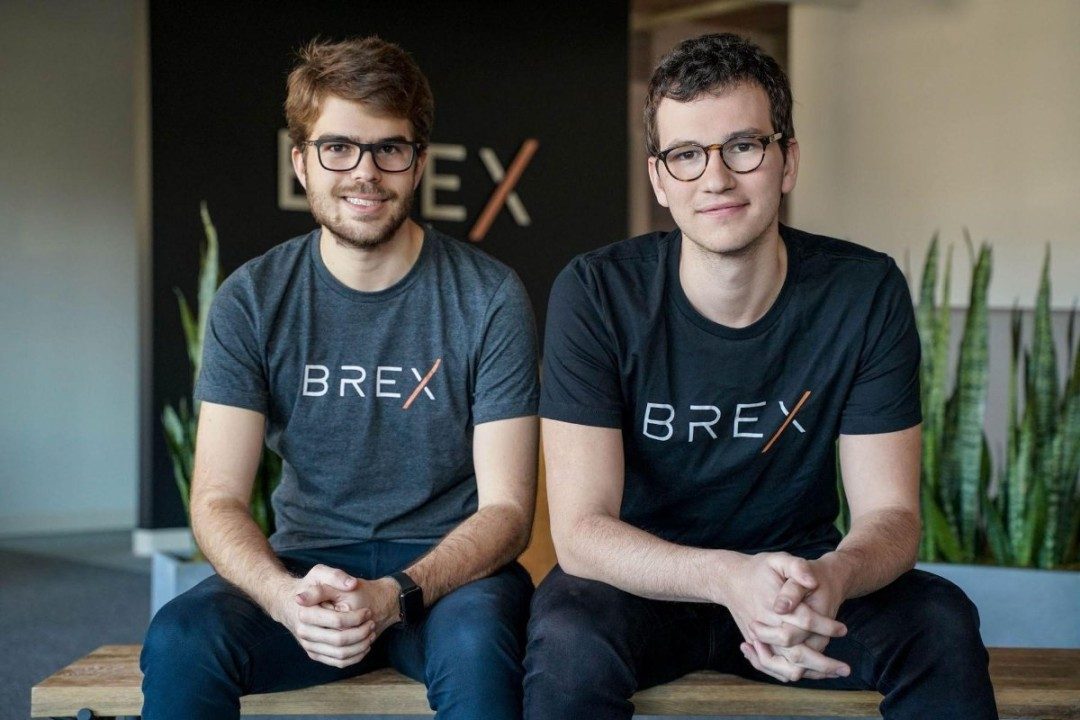

Capital One spent two decades as a credit card company that happened to be a bank. Now Richard Fairbank wants to become something else: a technology company that happens to issue cards. Eight months after closing its $35 billion Discover acquisition—making it America's largest credit card lender—Capital One announced it will pay $5.15 billion for Brex, the AI-native expense management platform that counts Anthropic, DoorDash, and Robinhood among its 25,000 corporate customers. The deal structure splits evenly: $2.75 billion in cash and 10.6 million Capital One shares.
The deal values Brex at nearly 60% below its January 2022 peak of $12.3 billion, reflecting a brutal reset for fintech valuations as higher interest rates dried up venture funding and investors demanded profitability over growth. Wall Street reacted coolly—Capital One shares fell 6% as Fairbank acknowledged the acquisition would dilute earnings initially, with $950 million in integration and retention costs spread over three years. For Brex's Brazilian-born founders, who built a billion-dollar company before age 23, the exit ends an increasingly difficult path to IPO while competitor Ramp's valuation soared from $13 billion to $32 billion in eight months. For Capital One, it represents a strategic bet that AI-powered spend management software—not just credit lines—will define the future of business payments.