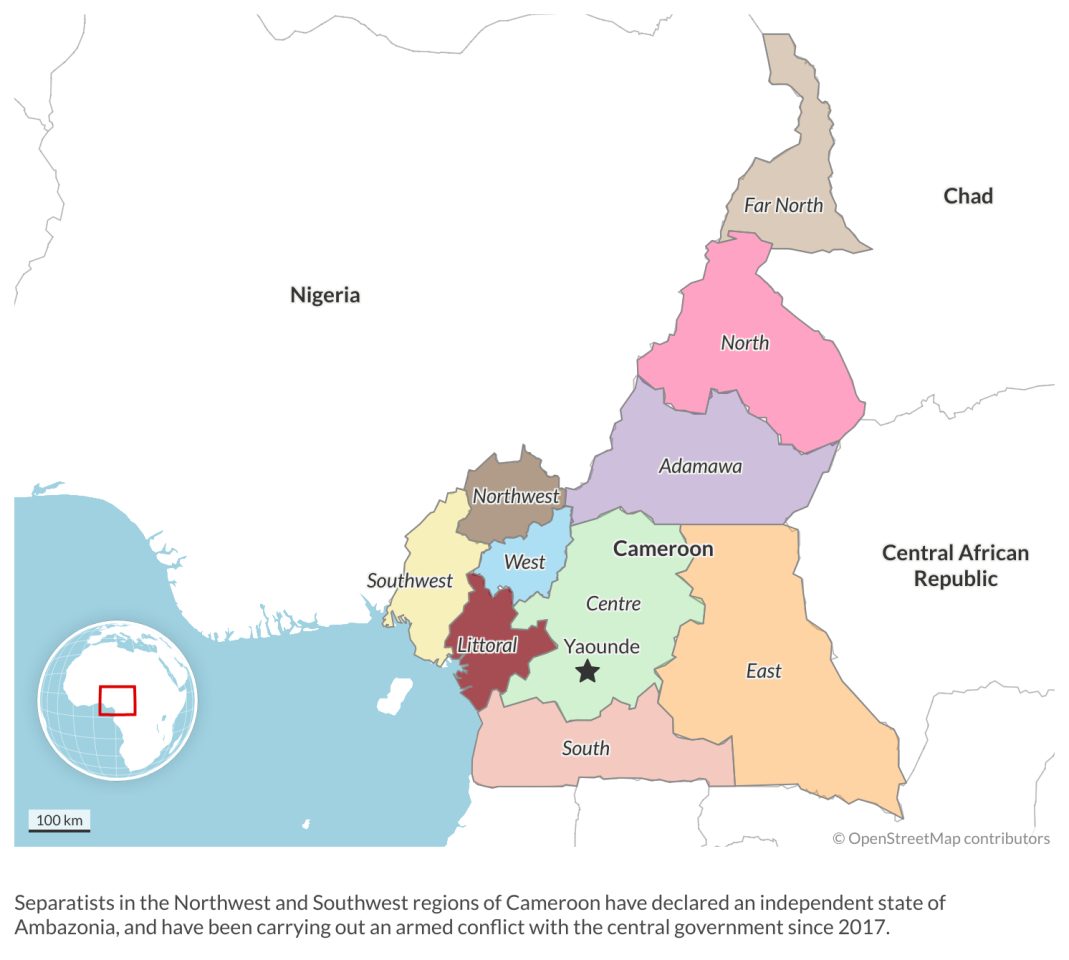
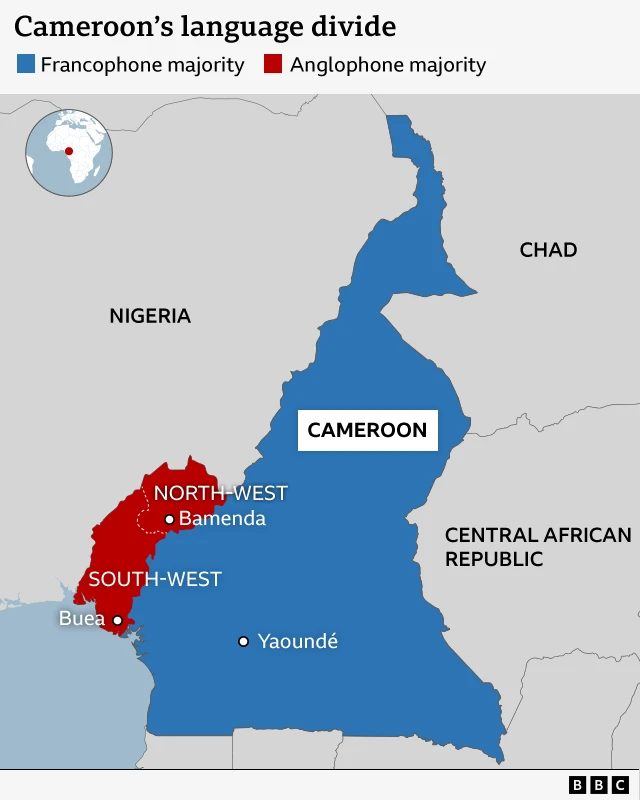
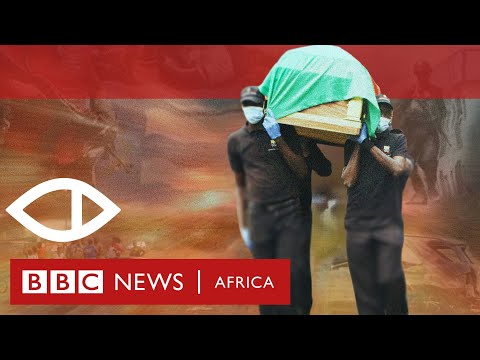
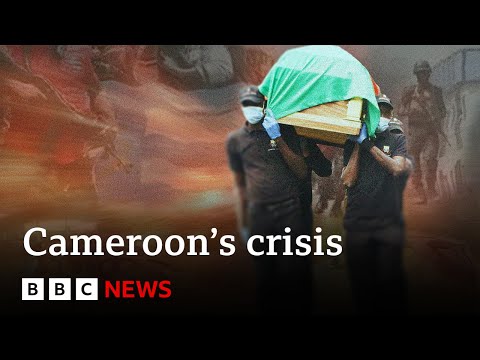
Suspected separatist fighters killed 15 civilians, including eight children, in an early-morning attack on Mbororo herders in Cameroon's Northwest Region on January 14, 2026. The massacre in Ndu subdivision targeted the Mbororo, whom separatists accuse of collaborating with the government; the conflict has become a multi-sided war where civilians are killed by all parties.
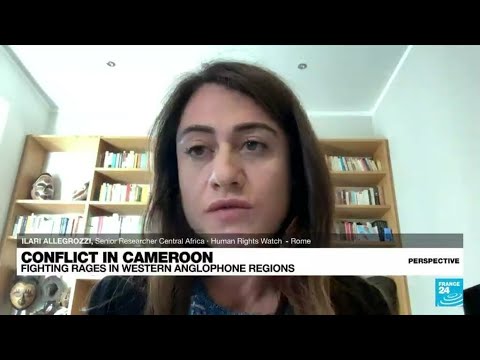
Since 2017, armed groups seeking independence for Cameroon's English-speaking regions have fought the military of 92-year-old President Paul Biya, who was sworn in for an eighth term in November 2025. Over 6,500 killed; 580,000 displaced — the UN's most neglected crisis. In December 2025, the Supreme Court confirmed life sentences for imprisoned separatist leader Sisiku Ayuk Tabe and nine other commanders, ending their six-year appeal. Peace talks have repeatedly failed, and the conflict has fragmented into dozens of competing armed factions that increasingly fund themselves through kidnapping and extortion.
Questions about this story
Free account needed to ask — your question is kept and asked for you right after sign-up. Answers are public.
No questions yet — be the first to ask.
Key Indicators
6,500+
Deaths since 2017
Documented fatalities in the Anglophone conflict; actual toll believed higher.
584,000
Internally Displaced
Cameroonians forced from their homes in the Northwest and Southwest regions.
2,245
Schools Closed
Educational institutions shut down due to separatist attacks and threats.
9 years
Conflict Duration
Armed fighting began in 2017 after a crackdown on peaceful protests.
17 events
Latest: January 14th, 2026 · 8 months ago
Showing 8 of 17
JK to step
Tap a bar to jump to that date
Jump to
January 2026
Separatists Kill 15 in Mbororo Village
LatestAtrocity
Armed fighters attacked the Mbororo community in Ndu subdivision at dawn, killing 15 people including eight children aged 2-11. Governor Lele Lafrique called it a 'massacre.'
Biya Hosts New Year Diplomatic Reception
Political
President Biya received New Year wishes from the diplomatic corps at Unity Palace. He announced Cameroon will host the 14th WTO Ministerial Conference in 2026 and reaffirmed calls for UN Security Council reform, making no mention of the Anglophone crisis.
Constitutional Council Rejects Biya Removal Petition
Legal
The Constitutional Council declared itself incompetent to rule on a petition by Professor Olivier Bile seeking President Biya's removal from office, stating it lacks jurisdiction over provisions governing presidential removal.
December 2025
Supreme Court Confirms Life Sentences
Legal
The Supreme Court confirmed life imprisonment sentences for Sisiku Ayuk Tabe and nine other separatist leaders, ending their six-year appeal process. The ruling upholds the August 2019 military tribunal convictions on terrorism and secession charges.
Supreme Court Opens Appeal
Legal
The Supreme Court opened an appeal case for Ayuk Tabe and nine other imprisoned leaders, six years after their military tribunal convictions.
October 2025
Biya Wins Disputed Election
Political
Cameroon's Constitutional Council declared Biya winner with 54% amid opposition claims of fraud. Post-election protests killed at least five people.
May 2025
Biya Rejects African Mediation
Political
Former South African President Thabo Mbeki revealed that Biya had rejected a mediation offer by former African presidents to resolve the crisis.
September 2024
Norway Arrests Separatist Commander
Legal
Norwegian police arrested ADF leader Lucas Ayaba Cho on charges of incitement to crimes against humanity—the first such prosecution in Norwegian history.
February 2020
Ngarbuh Massacre Kills 21
Atrocity
Soldiers and armed Mbororo killed 21 civilians including 13 children in Ngarbuh village. After international pressure, the government admitted partial responsibility.
December 2019
Biya Grants 'Special Status'
Political
President Biya announced special status for Anglophone regions with nominally expanded regional powers. Separatists rejected the offer; fighting continued.
August 2019
Separatist Leaders Get Life Sentences
Legal
A military tribunal sentenced Ayuk Tabe and nine leaders to life in prison after a trial where defense lawyers received evidence during a single 17-hour overnight hearing.
January 2018
Separatist Leader Extradited
Legal
Nigerian authorities arrested Sisiku Ayuk Tabe and 47 others and extradited them to Cameroon. A Nigerian court later ruled the expulsion illegal.
November 2017
Biya Declares War
Milestone
President Paul Biya formally declared war on separatist groups, authorizing full military operations in the Anglophone regions.
October 2017
Independence Declared, Protesters Killed
Milestone
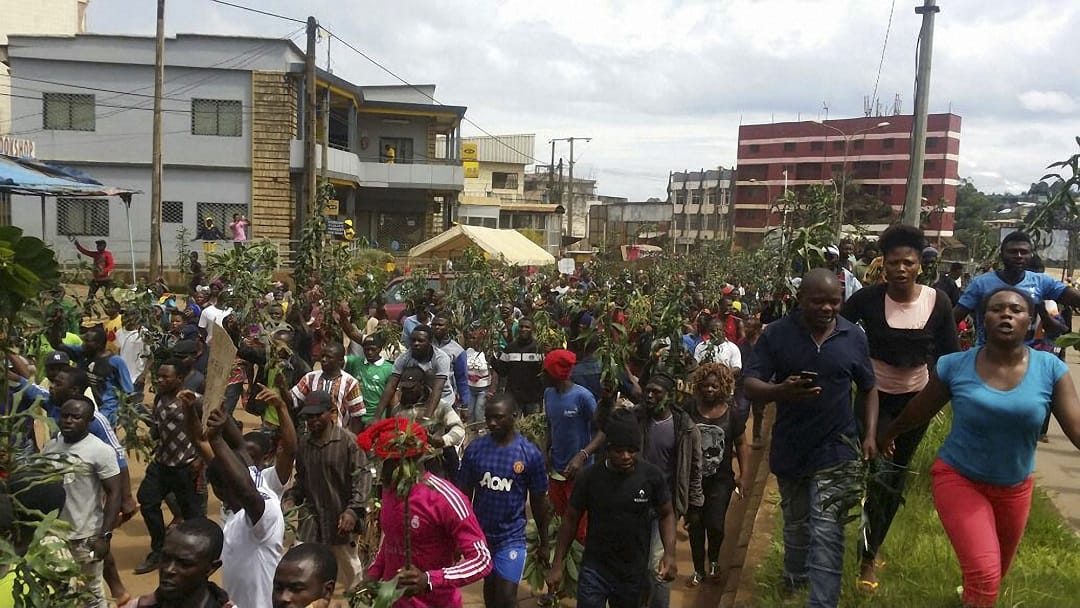
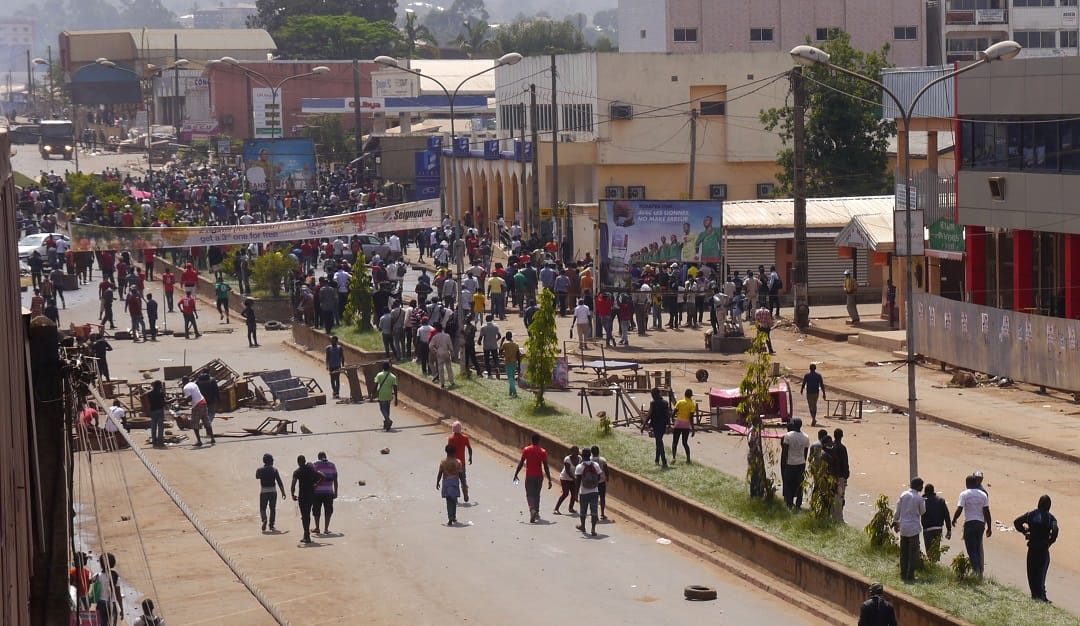
Separatists declared independence for the Republic of Ambazonia on the anniversary of Southern Cameroons' 1961 independence from Britain. Security forces killed at least 17 protesters.
September 2017
First Armed Attacks on Military
Escalation
Separatist groups launched their first attacks on military installations, transforming the protest movement into an armed insurgency.
January 2017
Government Shuts Down Internet
Escalation
Cameroon cut internet access to Anglophone regions for 93 days, banned the Anglophone Civil Society Consortium, and arrested its leaders.
October 2016
Lawyers and Teachers Begin Protests
Origin
English-speaking lawyers and teachers began strikes protesting the imposition of French in courts and schools, launching what would become the Anglophone Crisis.
Scenarios
1
Stalemate Persists as Biya Completes Term
Likely
Discussed by: International Crisis Group, Africa Center for Strategic Studies
The conflict continues at current intensity through Biya's term ending in 2032. Neither side can defeat the other militarily. Separatist factions remain fragmented and increasingly criminal, while government forces maintain control of major towns but not rural areas. Humanitarian conditions deteriorate. This is the default trajectory absent major changes.
2
Biya's Death Triggers Succession Crisis
Possible
Discussed by: Chatham House, RANE Worldview, Africa Center
The 92-year-old president's death or incapacity triggers a power struggle in Yaoundé. Senate President Marcel Niat Njifenji would constitutionally assume power and organize elections within 120 days. A violent factional scramble among elites—the largest threat to Cameroon's stability—could create an opening for negotiations or cause the Anglophone conflict to expand.
3
International Prosecution Shifts Dynamics
Unlikely
Discussed by: Human Rights Watch, International Crisis Group
Norway's prosecution of Ayaba Cho results in conviction, establishing precedent for international accountability. Other countries pursue similar cases against separatist commanders in diaspora. This pressure, combined with continued separatist fragmentation, weakens armed groups enough to force negotiation. Requires sustained international engagement currently absent.
4
Formal Peace Process Begins
Unlikely
Discussed by: Swiss mediation team, African Union
External pressure—possibly from France, the US, or African regional bodies—compels Yaoundé to enter formal talks. Separatist leaders negotiate from prison or diaspora. Switzerland or another neutral party mediates. Failed 2019 Swiss talks and Biya's 2025 rejection of African mediation suggest this requires either a new government or dramatically increased international pressure.
Historical Context
2 moments from history that rhyme with this story — and how they unfolded.
1 of 2
July 1967 - January 1970
Nigerian Civil War / Biafra (1967-1970)
The Igbo-majority Eastern Region declared independence as Biafra after ethnic pogroms killed thousands. Nigeria imposed a blockade that starved an estimated 3,000-5,000 people daily. The war killed between 500,000 and 3 million people, mostly civilians.
Then
Biafra surrendered in January 1970. Nigeria's government declared 'no victor, no vanquished' and pursued reintegration rather than retribution.
Now
Ethnic tensions persist. The Indigenous People of Biafra launched a new separatist campaign in 2021, demonstrating unresolved grievances 50 years later.
Why this matters now
Both conflicts stem from colonial-era borders forcing ethnically distinct populations together. The Biafran case shows that military victory doesn't resolve underlying grievances—and that separatist movements can resurface decades later.
2 of 2
July 2011 - September 2018
South Sudan Independence and Civil War (2011-2018)
South Sudan gained independence from Sudan in 2011 after a 98% referendum vote, ending Africa's longest civil war. Within two years, a political dispute between President Salva Kiir and Vice President Riek Machar exploded into ethnic warfare between Dinka and Nuer forces. An estimated 400,000 people were killed.
Then
A 2018 peace agreement ended active fighting but left underlying tensions unresolved.
Now
South Sudan remains fragile, with delayed elections and persistent ethnic divisions. The case demonstrated that independence alone doesn't resolve underlying conflicts.
Why this matters now
South Sudan shows that winning independence may not end violence. Ambazonia's fragmented leadership and ethnic complexities—including the Mbororo conflict—suggest independence would face similar challenges even if achieved.