
Pull to refresh
Logo
AST SpaceMobile builds its BlueBird satellite phone network

AST SpaceMobile builds its BlueBird satellite phone network

Built World

A Texas company is racing to beam cell service straight to ordinary phones, and it just cleared its first market outside the US

August 8th, 2026: BlueBird satellites earn Guinness World Record

Overview

Updated Aug 9

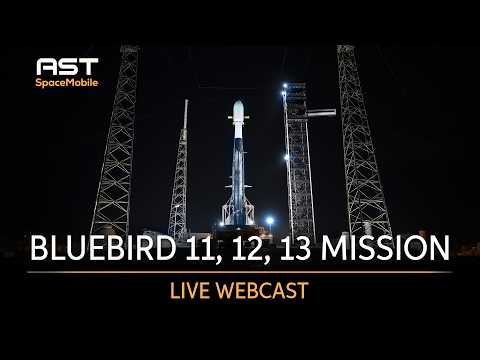
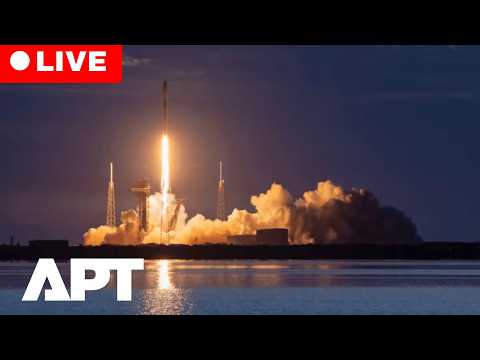
A Falcon 9 rocket lifted off from Cape Canaveral at 3:42 a.m. on August 5, carrying three of the largest commercial antennas ever flown. Each one is meant to do a strange thing: give an ordinary smartphone a signal with no cell tower for hundreds of miles.

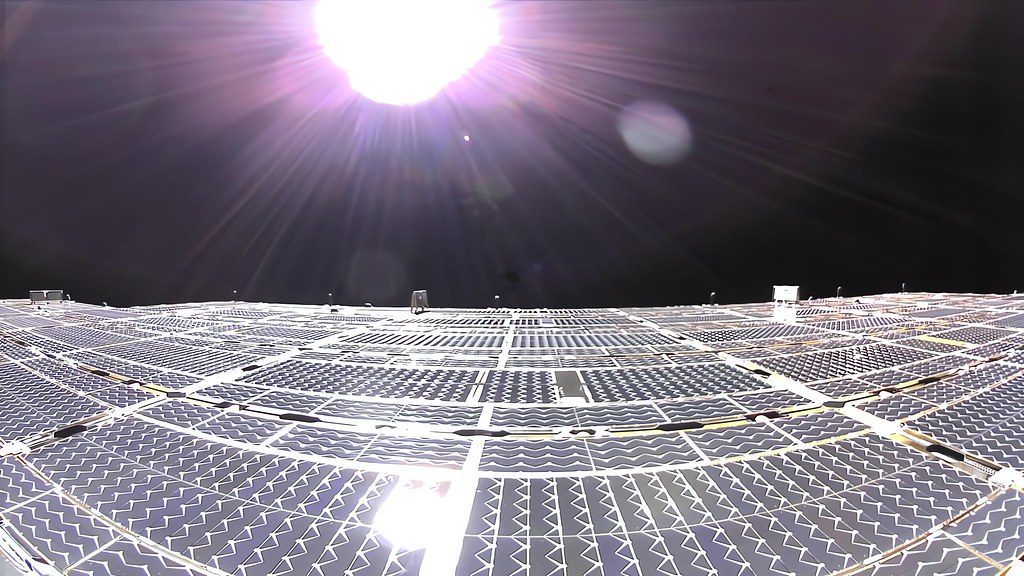
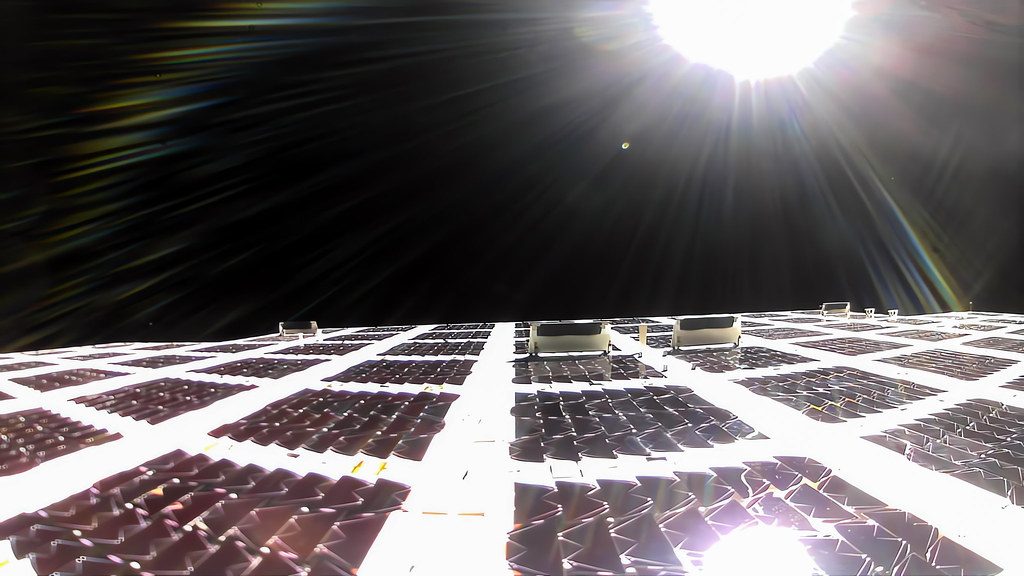
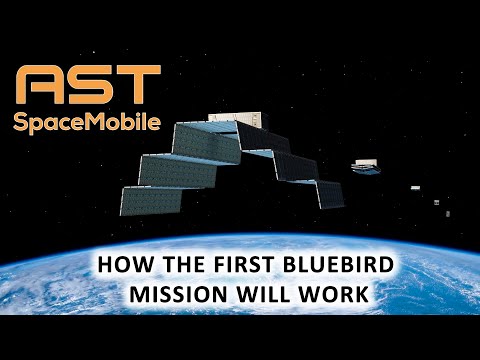
The three satellites, BlueBird 11, 12 and 13, bring AST SpaceMobile's fleet to 13, still short of the roughly 45 it needs for steady US coverage. Days later, the company said its satellites hold a Guinness World Record for the largest commercial antenna array in orbit. It also confirmed Japanese regulators cleared a direct-to-cell service with Rakuten Mobile, its first confirmed market outside the United States.

Why it matters

If this works, your existing phone gets a bar of signal in the middle of the ocean, the desert, or a hurricane blackout, with no new hardware.

Questions about this story

Free account needed to ask — your question is kept and asked for you right after sign-up. Answers are public.

No questions yet — be the first to ask.

Key Indicators

13
BlueBird satellites in orbit
Total launched after the August 5 mission added satellites 11, 12 and 13.
45
Satellites needed for continuous US coverage
The threshold AST SpaceMobile says it must reach for full commercial service.
248
Satellites the FCC cleared
Regulators approved a 248-satellite constellation in April 2026.
$74M
Paid to SpaceX per launch
AST buys rides from Starlink's owner, its main competitor in direct-to-cell.
200 Mbps
Peak speed, next-gen satellite
Block 2 satellites roughly double the download rate of the first BlueBirds.
42
BlueBird satellites in production
AST says manufacturing has advanced through BlueBird unit 42 across its Texas and Florida factories.

Voices

Curated perspectives — historical figures and your fellow readers.

Ever wondered what historical figures would say about today's headlines?

Sign up to generate historical perspectives on this story.

People Involved

Organizations Involved

Timeline

September 2024 August 2026

7 events Latest: August 8th, 2026 · 1 month ago
Tap a bar to jump to that date
  1. BlueBird satellites earn Guinness World Record

    Latest Milestone

    AST SpaceMobile says Guinness World Records recognized its BlueBird satellites for deploying the largest commercial communications array in low Earth orbit.

  2. BlueBirds 11, 12 and 13 launch

    Launch

    A Falcon 9 lifts three next-generation satellites from Cape Canaveral, bringing AST's fleet to 13. The booster lands for a 30th time.

  3. Japan clears AST-Rakuten direct-to-cell service

    Regulatory

    AST SpaceMobile confirms it has all required Japanese authorizations, including a user-equipment license, to launch direct-to-cell service with Rakuten Mobile using Rakuten's 700 MHz spectrum.

  4. BlueBirds 8, 9 and 10 reach orbit

    Launch

    A Falcon 9 carries three more satellites, the first batch of the year's planned rapid deployment toward a working fleet.

  5. FCC clears 248-satellite constellation

    Regulatory

    The Federal Communications Commission approves AST to operate up to 248 satellites and to use AT&T and Verizon spectrum for direct-to-cell service.

  6. First next-generation BlueBird launches

    Launch

    A larger Block 2 satellite lifts off from India, carrying a roughly 2,400-square-foot phased array, more than triple the first generation's antenna.

  7. First five BlueBirds reach orbit

    Launch

    AST SpaceMobile launches its first commercial satellites, each with a 693-square-foot antenna, the largest commercial arrays then in low Earth orbit.

Scenarios

1

AST launches beta service with AT&T and Verizon by year-end

Possible Resolves by End of 2026

Discussed by: AST SpaceMobile management; coverage in SpaceNews and Light Reading

AST reaches enough satellites for intermittent coverage and switches on a beta with its two carrier partners before the end of 2026. This is the company's own stated target. It needs several more launches on schedule and clean deployment of the giant antennas. Any launch slip or antenna problem pushes it into 2027.

2

AST reaches 45 satellites for continuous US coverage in 2027

Uncertain Resolves by End of 2027

Discussed by: AST SpaceMobile guidance; analyst notes cited by TechTimes and BigGo Finance

AST hits the 45-satellite threshold it says is needed for continuous commercial service across the United States. From 13 satellites, that means roughly 10 more Falcon 9 missions and hundreds of millions in launch fees. Success depends on factory output, funding, and launch cadence all holding. Delays here would postpone real revenue.

3

Starlink's direct-to-cell service outpaces AST in US subscribers

Possible Resolves by End of 2027

Discussed by: Mobile World Live; SpaceX statements on Starlink Mobile

SpaceX's Starlink T-Satellite, with T-Mobile and more than 650 direct-to-cell satellites already flying, expands US service faster than AST can deploy. If Starlink locks in mainstream US customers first, AST's broadband-speed advantage may arrive too late to define the market. The two use opposite strategies: Starlink's many small satellites versus AST's few giant ones.

4

AST and Rakuten launch limited direct-to-cell service in Japan

Possible Resolves by End of 2026

Discussed by: Rakuten Mobile executives; coverage in SatNews and Yahoo Finance

AST SpaceMobile and Rakuten Mobile plan an equal-stakes joint venture and limited commercial service in Japan this year, with nationwide coverage targeted for fiscal 2027. The plan depends on satellite coverage reaching Japan and on the two companies finalizing the venture's structure.

Historical Context

3 moments from history that rhyme with this story — and how they unfolded.

August 1999

Iridium bankruptcy (1999)

Iridium built a 66-satellite network for global phone service, backed by Motorola. Handsets were bulky and expensive, subscribers never came, and the company filed for bankruptcy nine months after launch under about $4 billion in debt.

Then

Investors lost billions. The satellites were nearly de-orbited before a group bought the assets for $25 million.

Now

A rebuilt Iridium later found a viable niche in specialized and government users, but never the mass consumer market it first imagined.

Why this matters now

It is the cautionary tale for satellite phones: the technology can work while the economics fail. AST's edge is that it targets phones people already own, not new hardware.

October 2002

Teledesic's collapse (2002)

Teledesic, backed by Craig McCaw and Bill Gates, planned hundreds of satellites for global broadband. It raised huge sums, kept shrinking its design, and shut down its work before deploying an operational network.

Then

The project ended without commercial service despite roughly $9 billion in planned investment.

Now

It showed that a large low-Earth-orbit constellation was extremely hard to finance and build ahead of demand.

Why this matters now

AST faces the same trap Teledesic did: raising and spending enormous capital before revenue. The difference is cheaper launches and a proven carrier demand for filling coverage gaps.

January 2024

Starlink direct-to-cell begins (2024)

SpaceX launched its first Starlink satellites able to connect directly to ordinary phones, partnering with T-Mobile in the United States. The service started with text messaging and expanded from there.

Then

Starlink built an operational direct-to-cell fleet of hundreds of satellites within about two years.

Now

It set the pace and the customer expectations that AST now competes against.

Why this matters now

This is AST's live rival, not a distant parallel. It defines the clock AST is racing and the strategy question: many small satellites or a few giant ones.

Sources

(14)