

Pull to refresh
Logo
Biohaven epilepsy drug hits FDA hold nine days after SK Biopharma licensing deal

Biohaven epilepsy drug hits FDA hold nine days after SK Biopharma licensing deal

New Capabilities

A rodent-metabolite finding freezes new enrollment in the drug's pivotal trials, splitting the programs's timeline

2 days ago: Biohaven discloses hold;shares sink, timelines split

Overview

Updated 2 days ago

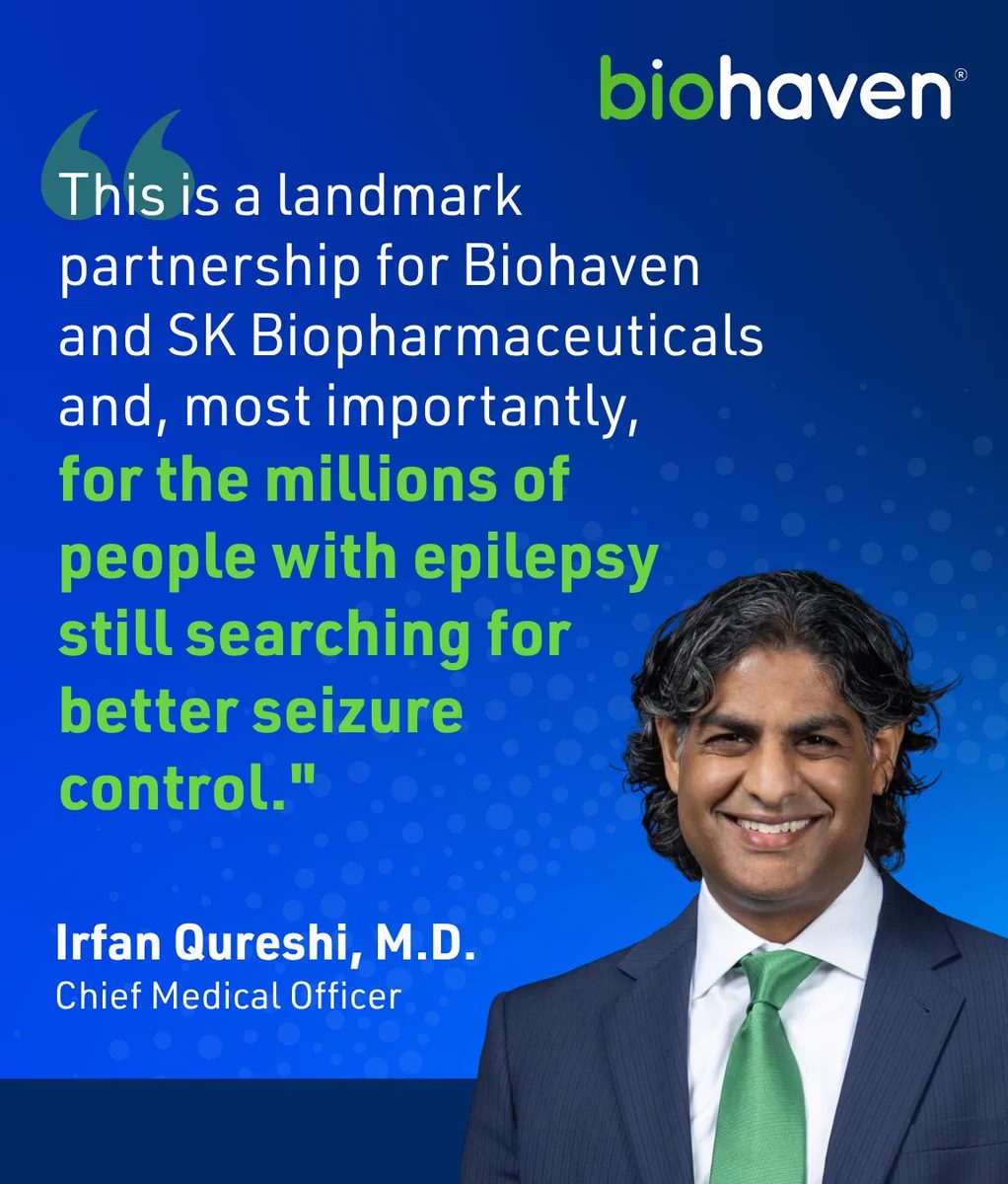
Nine days after Biohaven signed a licensing deal worth up to $795 million with SK Biopharmaceuticals for its epilepsy drug platform, the FDA halted new enrollment in the drug's two late-stage trials. The hold came not because BHV-7000 (opakalim) showed safety problems in humans—over 1,200 people have taken it and tolerability has been generally clean—but because a metabolite found in rat studies raised questions the agency couldn't fully assess. Biohaven says the finding's significance to people is uncertain and may be rodent-specific.

The split isfateful: BHV7000-303 (RISE 3), one of two pivotal trials in refractory focal epilepsy, finished enrolling in June and remains on track for top-line data in H2 2026. But BHV7000-302 (RISE 2), which had not yet completed recruitment, now sits frozen at new-patient entry, likely delaying its readout. Two weeks earlier, that same drug had been the centerpiece of a deal designed to share development costs with a deep-pocketed Korean licensee. Now the FDA's request for more nonclinical data—expected in the coming weeks—determines whether that deal's central asset limps or flies.

Why it matters

If the partial hold pushes BHV-7000 off schedule, Biohaven loses its main value driver and SK Biopharmaceuticals' $795M bet stalls—leaving both with few options.

Questions about this story

Free account needed to ask — your question is kept and asked for you right after sign-up. Answers are public.

No questions yet — be the first to ask.

Key Indicators

$795M
SK Biopharma licensing deal value
Upfront and milestone payments for worldwide rights to the Kv7 platform,BHV-7000 included.
600+
Patients already randomized can continue dosing
Existing participants across BHV-7000 trials keep treatment;only new enrollment is paused.
1,200+
Participants dosed across BHV-7000 program
Clinical safety has been generally good, with no signal in humans tied to the rodent metabolite.
13%+
Biohaven premarket share drop after disclosure
Reuters reported shares down more than 13% in premarket trading the morning of Sept 10.

Voices

Curated perspectives — historical figures and your fellow readers.

Ever wondered what historical figures would say about today's headlines?

Sign up to generate historical perspectives on this story.

Organizations Involved

Timeline

January 2024 September 2026

6 events Latest: 2 days ago
Tap a bar to jump to that date
  1. Biohaven discloses hold;shares sink, timelines split

    Latest Market

    SEC filing and Reuters report;stock drops 13%+ premarket. RISE 3 unaffected, but RISE 2 enrollment stays paused, delaying its readout.

  2. FDA issues partial clinical hold

    Regulatory

    Agency pauses new enrollment citing insufficient info on a rodent metabolite's potential human risk.Biohaven extends pause globally.

  3. Biohaven licenses Kv7 platform to SK Biopharmaceuticals

    Commercial

    SK gets worldwide rights including BHV-7000, valued at up to $795 million in upfront and milestones.

  4. RISE 3 fully enrolled

    Clinical

    Enrollment completes in BHV7000-303,one of two pivotal trials,robo-pulsing dosing continues.

  5. Troriluzole rejection forces R&D cuts

    Regulatory

    FDA turns away Biohaven's ataxia drug, prompting a 60% budget slash and a near-half stock collapse.

  6. Biohaven clears FDA phase-2 gate

    Regulatory

    Completes end-of-phase-2 meeting;advances BHV-7000 into two pivotal phase-3 focal epilepsy trials.

Scenarios

1

FDA lifts hold after clean nonclinical data;RISE 2 enrollment resumes

Likely Resolves by End of 2026

Discussed by: Biohaven management (SEC filing anticipates data 'inthen coming weeks'); RBC Capital Markets (noting add'l studies typically resolve within months)

Biohaven completes rodent studies showing the metabolite is species-specific, submits results, and FDA agrees the human risk profile is unchanged. New enrollment resumes in BHV7000-302, pushthe readout delay to just a few months. Patients already randomized—and RISE 3's data flow—remain untouched,so the program overall slips only modestly.

2

Hold persists;RISE 2 readout slips into 2027

Possible Resolves by Q1 2027

Discussed by: RBC Capital Markets (predicting delay if enrollment pause extends); BioSpace analysis

The FDA requests more data than expected—perhaps additional toxicology, tissue-distribution studies, or human metabolite monitoring—pushing BHV7000-302's primary completion date past its prior December 2026 target. With the RISE 3 readout still on track, Biohaven faces an awkward data gap:one registrational trial reads out on schedule, the other lags months behind, complicating any single rolling submission.

3

SK Biopharmaceuticals walks away or renegotiates the license

Unlikely Resolves by Q2 2027

Discussed by: Yonhap Infomax (noting deal not yet closed awaiting antitrust review);industry watchers on Korean biotech forums

Although SKBiopharm knew the metabolite data pre-signing, the FDA's decision to impose a formal hold—rather than simply request more information—changes the risk calculus. If BHV-7000's path to market slips substantially, SK could invoke material-adverse-change provisions or seek a lower milestone package, benefiting from its position as the party holding closure hostage.

Historical Context

2 moments from history that rhyme with this story — and how they unfolded.

February 2017 – March 2019

Sage Therapeutics' brexanolone (2017–2019)

Sage's postpartum-depression drug brexanolone hit an FDA clinical hold over a metabolite question yet despite initial data, the agency eventually approved it—two years later—after resubmission with additional safety analyses.

Then

A two-year delay and added trial costs pushed Sage deep intoins the red, forcing equity raises.

Now

The drug reached market on the strength of the original efficacy data, but its launch stalled on reimbursement and route-of-administration issues;Sage later restructured around newer CNS assets.

Why this matters now

Shows unmetabolite-relatedholds can resolve without killing a drug—but they still cost years and large sums, which is exactly what BHV-7000's partners hope to avoid.

June 2019 – May 2020

Intercept Pharmaceuticals' Ocaliva (2019–2020)

FDA issued a complete-response letter then a clinical hold on Intercept's NASH drug obeticholic acid over a drug-induced liver-injury signal,and subsequent data failed to win approval, eventuallydooming the program.

Then

Intercept's shares lost roughly 80% of value within a year,and the company abandonedthe NASH indication.

Now

The case became a cautionary tale about how regulator-requested safety analyses, whenunfavorable, can torpedo even late-stage programs.

Why this matters now

Contrast scenario:if Biohaven's rodent-metabolite data come back inconclusive or worse, a similar fate awaits—making the upcoming nonclinical results existential,not a formality.

Sources

(11)