



Pull to refresh
Logo
Voters curb data centers, and tech groups dispute what the midterms meant

Voters curb data centers, and tech groups dispute what the midterms meant

Rule Changes

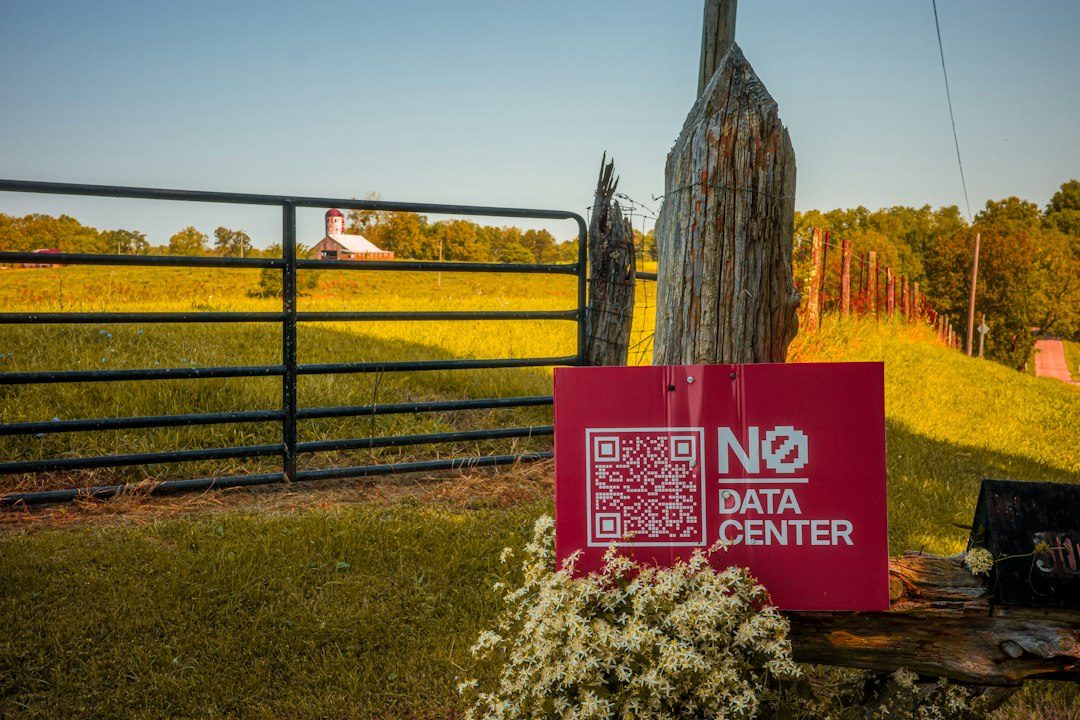
Restrictions passed in 44 of the 45 counted elections, and Democrats won governorships in Texas, Arizona, Georgia and Ohio.

Overview

Updated 3 days ago

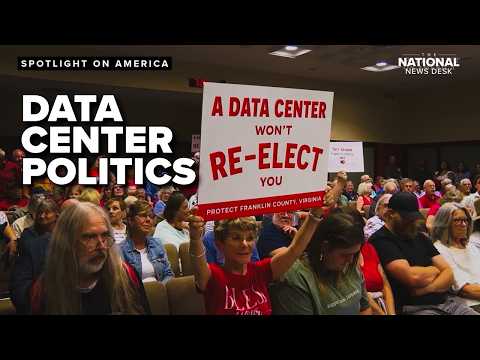
Voters approved data center restrictions in 44 of the 45 local elections where counting was complete, according to Redbud Consulting's tally reported by the Associated Press. Democrats also won governorships in Texas, Arizona, Georgia and Ohio after campaigns that promised tighter rules on the facilities.

In Texas, governor-elect Gina Hinojosa has promised a statewide moratorium, and GLJ Research's Gordon Johnson estimated her win exposes about 13 gigawatts of planned data center capacity to delay. Developers are responding: CoreWeave wrote to Hinojosa on November 7 offering to work with her transition team, and OpenAI's finance chief said the company will keep investing and will not raise electricity rates.

Why it matters

If the new governors turn campaign promises into permits, a large share of the US AI buildout waits or moves elsewhere.

Questions about this story

Free account needed to ask — your question is kept and asked for you right after sign-up. Answers are public.

No questions yet — be the first to ask.

Key Indicators

44
Counted elections that approved data center restrictions
Redbud Consulting counted 47 referendums in 44 municipalities across 12 states; restrictions passed in 44 of the 45 where counting was complete, the Associated Press reported.
75%
Voters opposed to data centers
NBC News exit polling found three in four voters against the facilities.
30%
Texas share of projected 2028 data center capacity
SemiAnalysis estimated Texas would account for nearly 30% of US capacity due online in 2028, the largest share of any state.
13 GW
Texas data center capacity exposed to delays
GLJ Research's Gordon Johnson estimated the Hinojosa win leaves about 13 gigawatts of Texas data center capacity open to delay.
$5T
Gartner estimate of the AI revenue shortfall
How far the AI boom is from paying for itself, per the research firm.

Voices

Curated perspectives — historical figures and your fellow readers.

Sign up to generate historical perspectives on this story.

People Involved

Organizations Involved

Timeline

October 2026 November 2026

8 events Latest: 4 days ago
Tap a bar to jump to that date
  1. CoreWeave asks Hinojosa to work together in Texas

    Latest Statement

    The AI cloud company sent a letter to the governor-elect proposing cooperation on its Texas projects and on standards for future development.

  2. OpenAI's CFO says demand is real and rates won't rise

    Statement

    Chief financial officer Sarah Pryor told CNBC the company will keep investing to meet customer demand and promised, "We will not raise electricity rates."

  3. Industry disputes the message

    Statement

    The Chamber of Progress calls the results anti-Trump, not anti-tech, while OpenAI unveils community spending commitments.

  4. Count shows 38 jurisdictions acted

    Analysis

    The Washington Post and NBC News report at least 38 jurisdictions passed data center bans or restrictions.

  5. Sanders calls for a national data center moratorium

    Statement

    Sen. Bernie Sanders posted a call for an immediate national moratorium, and Rep. Yassamin Ansari of Arizona joined him in demanding a pause on advanced AI development.

  6. Voters approve data center limits

    Election

    Voters pass bans and restrictions across dozens of jurisdictions and elect Democratic governors in Texas, Arizona, Georgia and Ohio.

  7. Updated tally: restrictions win 44 of 45 counted elections

    Analysis

    Redbud Consulting's revised count covered 47 referendums in 44 municipalities across 12 states, including 21 in Ohio, eight in Maine, seven in Illinois and four in Kansas.

  8. Warren report faults data center cost coverage

    Report

    Sen. Elizabeth Warren's report found major tech companies are not covering the full infrastructure costs of their data centers.

Scenarios

1

New governors sign binding data center limits

Likely Resolves by Q3 2027

Discussed by: Axios, Bloomberg and PIMCO's Libby Cantrill

Hinojosa and the new governors in Arizona, Georgia and Ohio push permitting rules, water and power requirements, and tax-incentive repeals through their legislatures. Projects already approved through 2027 proceed; new ones wait.

2

Buildout slows under negotiated concessions

Likely Resolves by End of 2027

Discussed by: Axios and PIMCO's Libby Cantrill

Developers keep building but agree to pay for grid upgrades, bring their own power and drop tax breaks. OpenAI's Compute Campus Policy Blueprint is an early example of the strategy.

3

Congress preempts state rules, or courts strike them down

Unlikely Resolves by End of 2027

Discussed by: Lombard Odier's Michael Strobaek, cited by Time

Republicans try to set federal rules that override state restrictions. Democrats can filibuster, and Trump's veto shapes any compromise.

4

Projects relocate to friendlier states or overseas

Possible Resolves by End of 2028

Discussed by: Natixis's Gary Ng Cheuk-yan

Developers shift planned capacity to states without new restrictions, or build hyperscale campuses outside the US. Ng says that could help China export cheaper AI computing.

5

Congress passes a national data center moratorium

Unlikely Resolves by End of 2027

Discussed by: Sen. Bernie Sanders and Rep. Yassamin Ansari

Sanders called for an immediate national pause on data center construction, and Ansari said a halt on advanced AI development should top the Democratic agenda. Any such bill would need Republican votes or a veto override.

Historical Context

3 moments from history that rhyme with this story — and how they unfolded.

March 1979

Three Mile Island (1979)

A partial meltdown at the Three Mile Island nuclear plant in Pennsylvania released radioactive gas and prompted evacuations. No new US nuclear plant was ordered for decades afterward.

Then

Regulators tightened rules and public support for nuclear power fell.

Now

The US nuclear buildout stalled, and the industry did not recover its construction pace for decades.

Why this matters now

Shows how a visible failure can freeze an energy buildout that had broad industrial backing.

2001-2017

Cape Wind (2001-2017)

Developer Jim Gordon proposed a 130-turbine wind farm in Nantucket Sound. Local opposition, lawsuits and financing problems delayed it for 16 years.

Then

The project lost its backers and was abandoned in 2017.

Now

US offshore wind moved to other sites and took years to restart.

Why this matters now

Local opposition can stop a project even after it clears federal review.

November 2021

Maine transmission line referendum (2021)

Maine voters approved Question 1 to block a $1 billion hydropower transmission corridor through the state's north woods. The project had already received a presidential permit.

Then

Construction halted and the case went to court.

Now

The fight showed that a statewide vote can override a federal permit for energy infrastructure.

Why this matters now

Directly parallels the ballot measures now constraining data center siting.

Sources

(13)