
Pull to refresh
Logo
Bank Indonesia holds rates at 5.75% while cutting reserve requirements

Bank Indonesia holds rates at 5.75% while cutting reserve requirements

Money Moves

Central bank lifts deposit rate and frees up liquidity as MSCI warns of a deeper downgrade and the rupiah hovers near record lows

Overview

Updated Yesterday

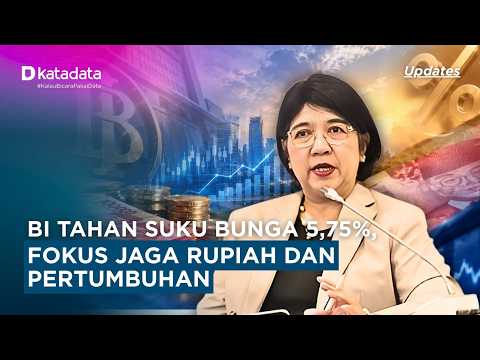
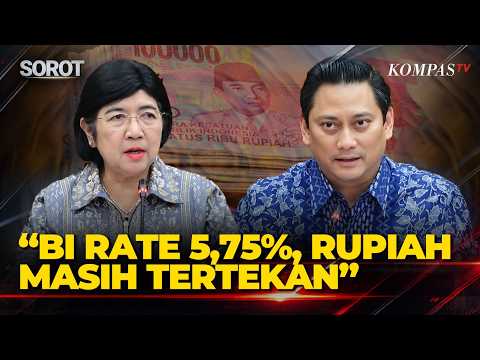
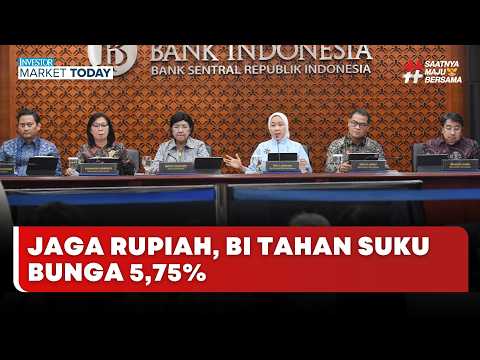
Bank Indonesia held its benchmark rate at 5.75% on October 21 and raised the rate it pays on overnight deposits to 5.00%. It also set a two-step cut in the share of deposits banks must park at the central bank, from 9% to 7% by December 1, which Governor Destry Damayanti said frees about 190 trillion rupiah ($10.56 billion) for lending.

MSCI opened a consultation on October 15 over moving Indonesian stocks to 'standalone' status, a deeper downgrade than its January warning of a move to 'frontier.' The Jakarta index is down about 40% this year, the worst performer globally, and the rupiah traded near Rp18,100 per dollar on October 29. Damayanti called the threat a 'short-term shock' and said reforms by the financial regulator should address MSCI's concerns.

Why it matters

The rupiah's slide and MSCI's review decide whether foreign money stays in Southeast Asia's largest economy.

Questions about this story

Free account needed to ask — your question is kept and asked for you right after sign-up. Answers are public.

No questions yet — be the first to ask.

Key Indicators

Rp18,100
Rupiah per dollar
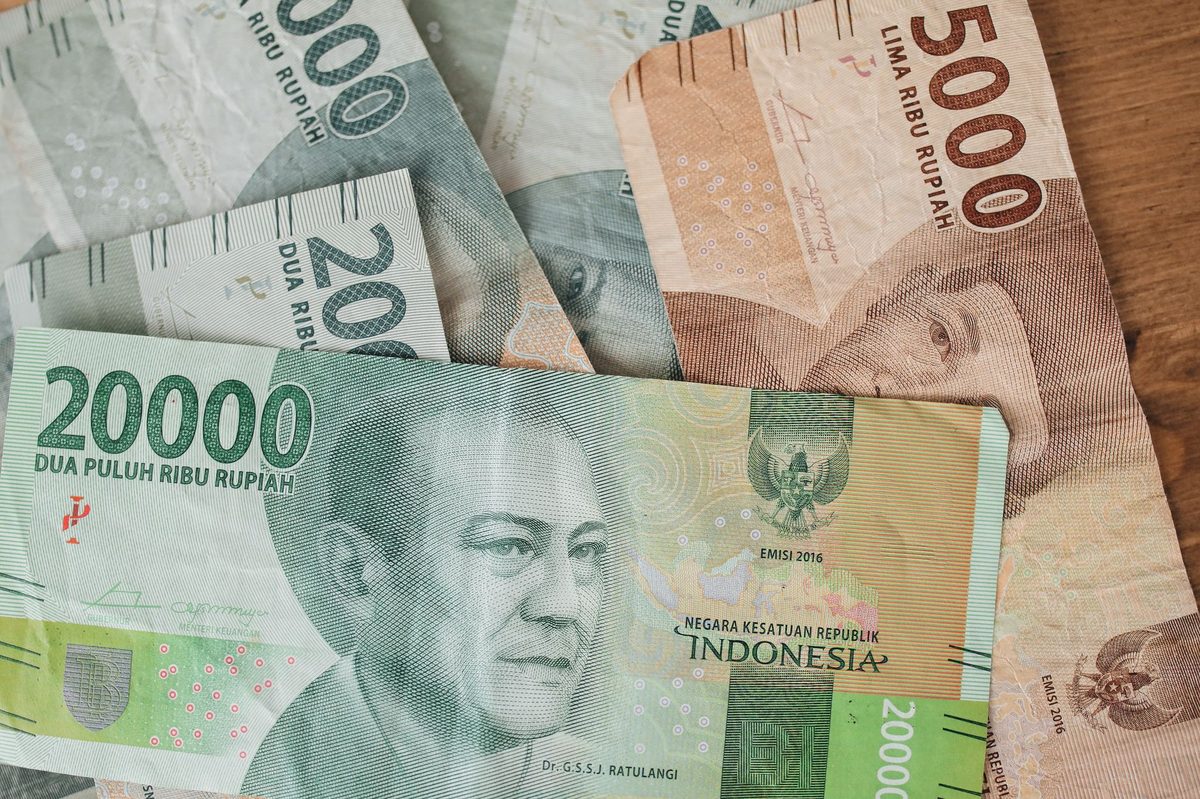
Trading around Rp18,100 on October 29, near a record low. The currency is down more than 7% this year, the worst performer in emerging Asia.
$10.56B
Liquidity freed by reserve cut
The roughly 190 trillion rupiah Bank Indonesia says the cut makes available. A BI official put the net gain at about 90 trillion rupiah once the smaller liquidity incentive is counted.
$146.8B
Foreign exchange reserves
Reserves rose to $146.8 billion in October, helped by inflows into central bank securities and government bonds, according to a BCA research note.

Voices

Curated perspectives — historical figures and your fellow readers.

Sign up to generate historical perspectives on this story.

People Involved

Organizations Involved

Timeline

May 2026 November 2026

10 events Latest: 2 days ago
Tap a bar to jump to that date
  1. FX reserves rise to $146.8 billion in October

    Latest Market

    Bank Indonesia's foreign exchange reserves rose to $146.8 billion in October, helped by inflows into central bank securities and government bonds, according to a BCA research note.

  2. BI governor calls MSCI warning a 'short-term shock'

    Market

    Governor Destry Damayanti told a Chamber of Commerce gathering that MSCI's downgrade threat was a short-term shock and that Indonesian stocks had become cheap. Businessman Hashim Djojohadikusumo warned the rupiah could fall to 22,000 per dollar.

  3. BI holds benchmark, adjusts other tools

    Monetary Policy

    BI held the BI-Rate at 5.75%, raised the deposit facility to 5.00%, and set a two-step reserve cut from 9% to 7% by December 1. It also widened hedging discounts on domestic non-deliverable forward instruments to draw foreign capital.

  4. Exchange and regulator answer MSCI concerns

    Market

    The Indonesia Stock Exchange said it will disclose share affiliations of 1% or more and drop heavily concentrated stocks from the Jakarta Composite Index. The financial services authority, OJK, imposed Rp2.1 trillion ($116.4 million) in fines on three listed companies.

  5. Rupiah holds near record low

    Market

    The rupiah traded at Rp18,050 per dollar on the Jakarta interbank spot rate, after Rp18,052 the previous Friday.

  6. Jakarta stocks drop 11.57% as MSCI warning hits

    Market

    The Jakarta Composite Index fell 11.57% and the rupiah weakened to Rp18,052 per dollar. Bank Indonesia's Erwin Gunawan Hutapea said the moves were not excessive and that the bank held enough rupiah liquidity to intervene if needed.

  7. MSCI opens consultation on Indonesia downgrade

    Market

    MSCI began a consultation on reclassifying Indonesian equities as a 'standalone' market, with feedback due April 30, 2027 and a final decision expected by June 30, 2027. The rupiah fell to Rp18,052 per dollar the next day, October 16.

  8. BI defends policy mix, puts net liquidity near Rp90 trillion

    Monetary Policy

    A Bank Indonesia official, Firman, said the extra liquidity is 'not massive' and consistent with the BI rate. After the cut to the liquidity incentive, the effective reserve ratio falls to about 2%, roughly 100 basis points below its previous level.

  9. Rupiah touches all-time low

    Market

    The currency hits a record low against the dollar amid cooling investor sentiment.

  10. Bank Indonesia begins hiking cycle

    Monetary Policy

    BI raises rates 100 basis points across three moves, lifting the benchmark to 5.75%.

Scenarios

1

Rupiah steady, BI holds through year-end

Possible Resolves by End of 2026

Discussed by: 15 of 29 economists polled by Reuters

If the deposit-facility hike and reserve-requirement cut work as designed, the rupiah steadies and BI keeps the benchmark at 5.75% through December. Governor Damayanti argues the 100 basis points of hikes already delivered are enough to anchor inflation, which stood at 3.3% in September, inside the 1.5-3.5% target band.

2

Rupiah slide forces BI to hike

Possible Resolves by End of 2026

Discussed by: 14 of 29 economists polled by Reuters

If outflows persist and the rupiah keeps falling, BI may be forced to raise the benchmark despite the growth cost. The record stock rout and the MSCI downgrade threat could intensify capital flight, overwhelming the deposit-rate hike and leaving a benchmark increase as the only lever with bite.

3

MSCI moves Indonesia to standalone status

Possible Resolves by End of 2026

Discussed by: Reuters, citing capital-market pressure

MSCI's warning triggered the two-day rout that pushed Jakarta's index down more than it fell at any point in the Asian financial crisis. If foreign selling continues, MSCI could follow through and remove Indonesian equities from its emerging markets index, forcing passive funds to dump Indonesian stocks and deepening currency pressure.

4

MSCI keeps Indonesia in emerging markets

Uncertain Resolves by Q2 2027

Discussed by: MSCI, which opened its consultation on October 16, 2026

MSCI's consultation runs until a final decision expected by the end of June 2027. If Indonesian equities stay in the Emerging Markets Index, the forced selling that a 'standalone' label would trigger does not happen and the rupiah keeps one source of support.

5

Rupiah slides to 22,000 per dollar

Unlikely Resolves by Q2 2027

Discussed by: Hashim Djojohadikusumo, businessman and brother of President Prabowo

Hashim warned that continued capital outflows after MSCI's downgrade threat could drag the rupiah to 22,000 per dollar, from around 18,100 in late October. That would be a record low and, he said, a disaster for the economy.

Historical Context

2 moments from history that rhyme with this story — and how they unfolded.

July 1997 - mid-1998

Asian Financial Crisis (1997-1998)

The Thai baht collapsed in July 1997, triggering a regional currency crisis. Indonesia's rupiah fell from about 2,400 per dollar to above 16,000, as Bank Indonesia burned reserves defending it before turning to the International Monetary Fund for a bailout package.

Then

The rupiah collapse fueled hyperinflation, wiped out dollar-denominated wealth, and contributed to the fall of President Suharto in May 1998.

Now

Indonesia shifted to a more flexible exchange-rate regime and built larger reserves, but the crisis became the standard reference point for severe currency stress in the country.

Why this matters now

The October 2026 two-day stock-market rout was steeper than anything recorded in that crisis, showing how extreme sentiment toward Indonesian assets has turned in just a few days.

May - August 2013

Taper Tantrum (2013)

Federal Reserve Chair Ben Bernanke signaled the Fed would wind down its bond purchases. Emerging-market currencies tumbled, and the rupiah was among the hardest hit, with Bank Indonesia raising its policy rate several times to defend the currency.

Then

BI's hikes helped steady the rupiah, but the episode exposed how vulnerable Indonesia was to tightening US monetary conditions and a widening current-account deficit.

Now

The episode pushed Indonesian policymakers to focus on external resilience, including efforts to narrow the current-account gap.

Why this matters now

The same mechanism drives today's pressure: expectations of further US rate hikes keep the dollar strong and push capital out of emerging markets, forcing BI to weigh currency defense against domestic growth.

Sources

(21)