

Pull to refresh
Logo
Daily Brief
Following
Why Sign Up
Azerbaijan sentences former Nagorno-Karabakh leaders

Azerbaijan sentences former Nagorno-Karabakh leaders

Rule Changes
By Newzino Staff |

Life imprisonment for wartime officials marks legal conclusion to three-decade territorial conflict

February 5th, 2026: Verdicts Delivered: Life Sentences for Five

Overview

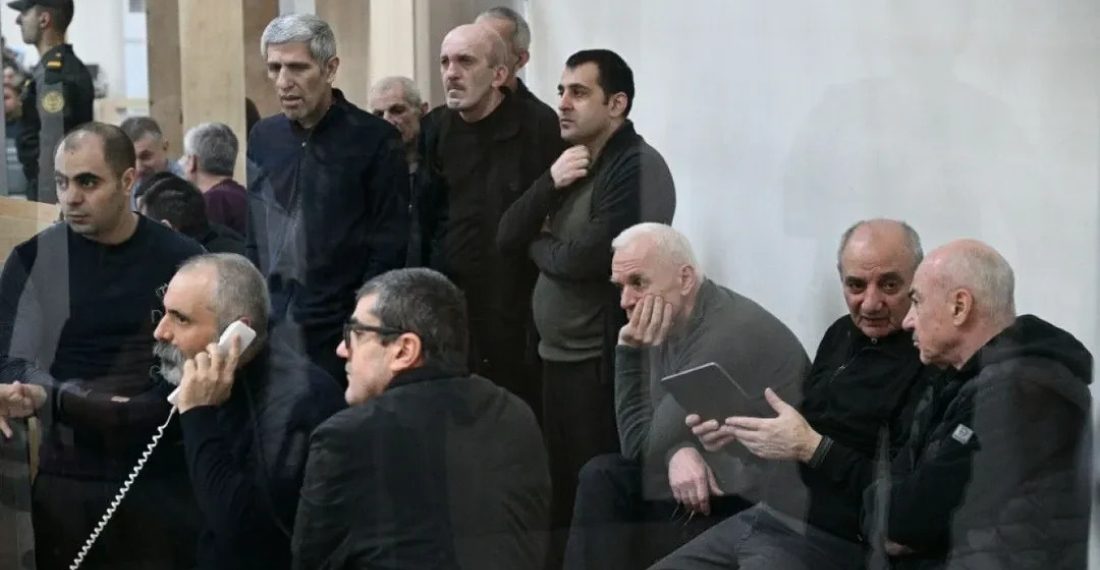
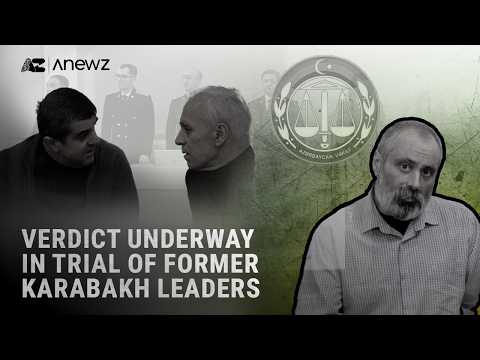
For 35 years, ethnic Armenians governed themselves in Nagorno-Karabakh, a mountainous enclave inside Azerbaijan's internationally recognized borders. On February 5, 2026, an Azerbaijani military court sentenced 13 former leaders of that self-declared republic—including three ex-presidents—to prison terms ranging from 15 years to life. The charges: war crimes, terrorism, genocide, and crimes against humanity spanning three decades of conflict.

Key Indicators

13
Officials Sentenced
Former Nagorno-Karabakh leaders convicted in Baku military court
5
Life Sentences
Including former president Arayik Harutyunyan and foreign minister David Babayan
100,400
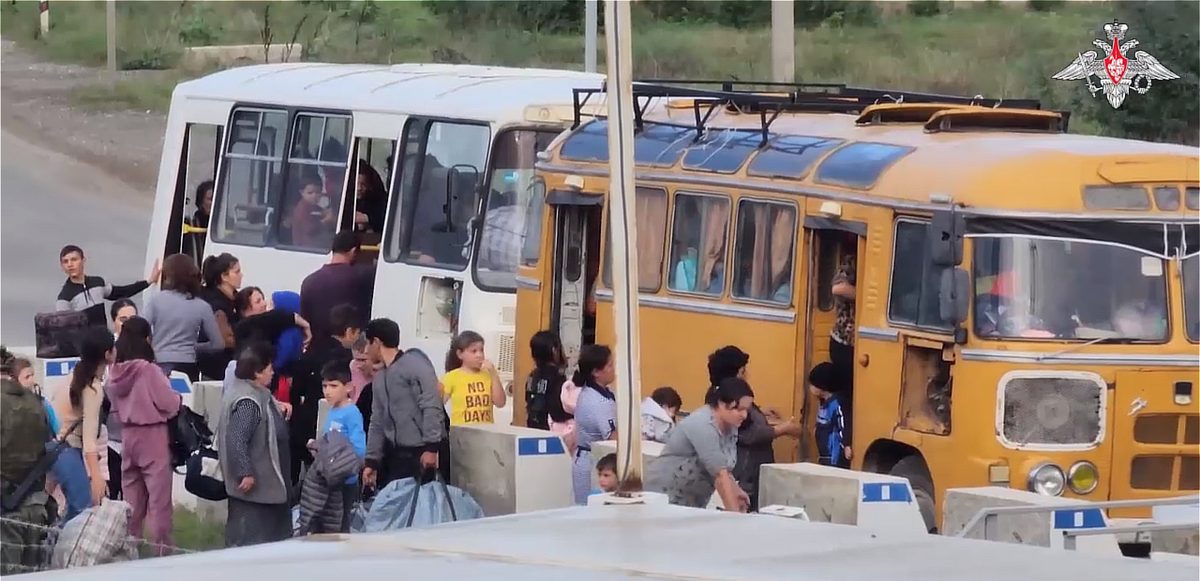
Armenians Displaced
99% of the population fled after the September 2023 offensive
2,548
Crimes Alleged
Total criminal counts across all 15 defendants

Interactive

Exploring all sides of a story is often best achieved with Play.

Jamsetji Tata

Jamsetji Tata

(1839-1904) · Victorian Era · industry

Fictional AI pastiche — not real quote.

"The greatest enterprise is not steel or cotton, but the building of nations where all peoples may live in dignity—yet here we witness the ancient tragedy of victor's justice, where one man's terrorist becomes another's patriot, and courts of law merely ratify what cannon and sword have already decreed. True civilization lies not in the erasure of peoples, but in the courage to forge prosperity from diversity."

Ever wondered what historical figures would say about today's headlines?

Sign up to generate historical perspectives on this story.

Sign Up

Debate Arena

Two rounds, two personas, one winner. You set the crossfire.

People Involved

Organizations Involved

Timeline

  1. Verdicts Delivered: Life Sentences for Five

    Legal

    Baku military court sentences 13 former officials to terms from 15 years to life imprisonment.

  2. Armenia-Azerbaijan Peace Agreement Initialed

    Diplomatic

    Aliyev and Pashinyan initial a peace treaty mediated by U.S. President Trump, though ratification remains pending.

  3. Trial Opens in Baku

    Legal

    Military court begins proceedings against former Nagorno-Karabakh leaders on war crimes charges.

  4. Former Leaders Detained

    Legal

    Azerbaijan arrests three former presidents and other officials attempting to flee.

  5. Mass Exodus Completes

    Humanitarian

    Over 100,400 ethnic Armenians—99% of the population—flee to Armenia within two weeks.

  6. Azerbaijan Launches Final Offensive

    Military

    A 24-hour military operation forces Artsakh's surrender and dissolution.

  7. Azerbaijan Begins Blockade

    Humanitarian

    Azerbaijani activists block the Lachin corridor, cutting off 120,000 residents from food, medicine, and fuel supplies.

  8. Ceasefire Ends 44-Day War

    Diplomatic

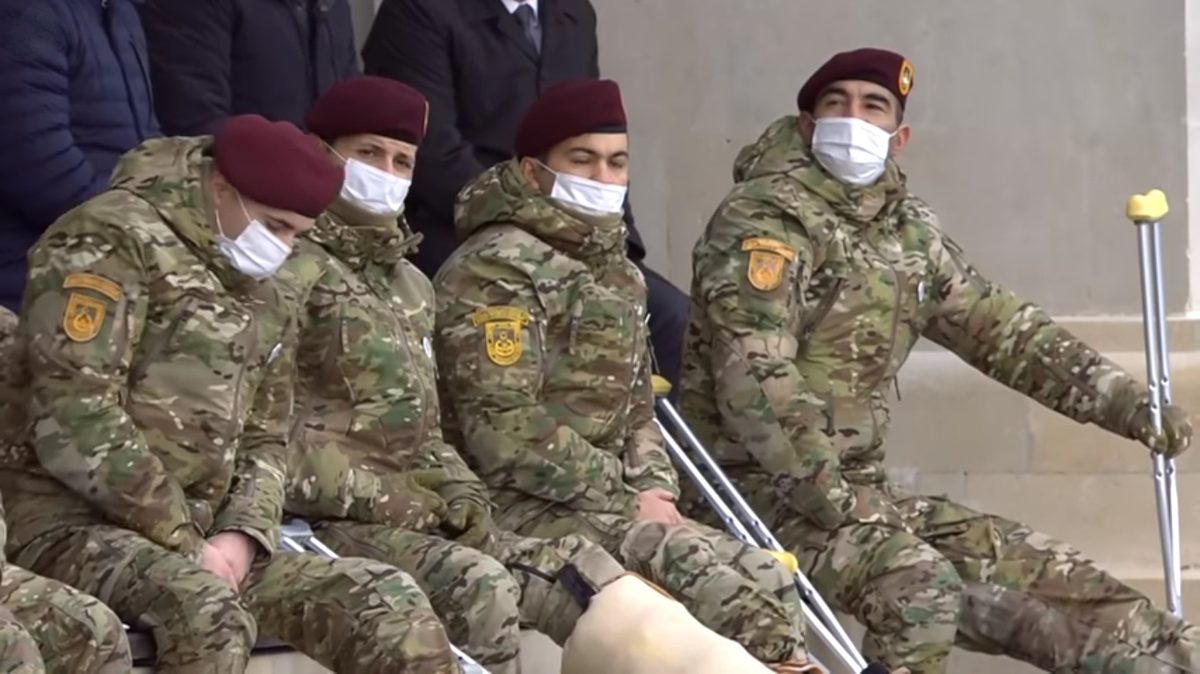
    Russia-brokered agreement ends fighting. Azerbaijan regains surrounding territories; 2,000 Russian peacekeepers deploy.

  9. Second Nagorno-Karabakh War Begins

    Military

    Azerbaijan launches offensive to reclaim territory, beginning the 44-day war.

  10. First War Ends with Armenian Victory

    Military

    The Bishkek Protocol establishes a ceasefire after six years of war that killed 28,000-38,000 people and displaced over a million.

  11. Nagorno-Karabakh Seeks Union with Armenia

    Political

    The regional parliament votes to join Soviet Armenia, sparking the conflict.

Scenarios

1

Prisoners Remain Incarcerated as Peace Treaty Ratified

Discussed by: International Crisis Group, European Parliament researchers

Armenia signs the peace agreement without securing prisoner releases, prioritizing normalization over the fate of the detained leaders. Azerbaijan maintains the convictions as a domestic political triumph, framing them as justice for war victims rather than political prisoners. The imprisoned officials serve lengthy sentences.

2

Prisoner Exchange Negotiated as Part of Final Peace Deal

Discussed by: Armenian opposition parties, diaspora organizations

International pressure—possibly from the United States or European Union—conditions final peace treaty ratification on humanitarian gestures. Azerbaijan agrees to release some or all prisoners in exchange for concessions on constitutional changes or the transit corridor. The releases would be framed as clemency rather than admission of wrongful prosecution.

3

International Court Intervention Challenges Verdicts

Discussed by: Human rights organizations, legal scholars

Armenia or international human rights bodies bring the case before the European Court of Human Rights or other international forums, challenging the trial's fairness. Even if successful, enforcement would be limited—Azerbaijan has shown willingness to ignore such rulings, as demonstrated during the blockade when it defied International Court of Justice orders.

4

Vardanyan Sentence Escalates Tensions

Discussed by: Russian media, Caucasus analysts

The separate sentencing of Ruben Vardanyan, expected later in February, draws attention from Russian officials given his former citizenship and wealth. His case becomes a flashpoint, potentially affecting Russia-Azerbaijan relations and complicating regional dynamics, though Russia's diminished influence post-Ukraine limits its leverage.

Historical Context

Nuremberg Trials (1945-1946)

November 1945 - October 1946

What Happened

Following World War II, the Allied powers established an international tribunal to prosecute 22 senior Nazi leaders for war crimes, crimes against humanity, and waging aggressive war. The trials established precedents for individual criminal responsibility for state leaders.

Outcome

Short Term

Twelve defendants were sentenced to death, seven to prison terms. The trials legitimized the concept of international criminal justice.

Long Term

Nuremberg established that 'following orders' is not a defense and that heads of state can face prosecution—principles codified in later international law.

Why It's Relevant Today

Azerbaijan frames its trial in similar terms: holding leaders accountable for crimes committed during conflict. Critics note the key difference: Nuremberg was conducted by international tribunal with recognized legitimacy; Baku's proceedings occur in a domestic military court of the victorious party, without international observers or due process standards.

ICTY Kosovo Prosecutions (1999-2013)

1999 - 2013

What Happened

The United Nations International Criminal Tribunal for the former Yugoslavia indicted Serbian President Slobodan Milosevic and senior military officials for crimes against humanity during the Kosovo conflict, including deportation of ethnic Albanians. Milosevic died during trial; others received sentences up to 22 years.

Outcome

Short Term

Five senior Serbian officials were convicted for Kosovo crimes. The tribunal documented systematic atrocities but struggled with enforcement and cooperation.

Long Term

The ICTY's work informed later tribunals but also exposed limits of international justice—Serbia never fully reckoned with its past, and many perpetrators faced no consequences domestically.

Why It's Relevant Today

Both cases involve prosecuting leaders of a defeated ethnic group for crimes committed during territorial conflicts. The ICTY, however, operated under UN authority with international legitimacy. Azerbaijan's domestic proceedings lack comparable standing, raising questions about whether the verdicts represent justice or victor's retribution.

Bangladesh War Crimes Tribunals (2010-2016)

2010 - 2016

What Happened

Bangladesh established domestic tribunals to prosecute individuals for atrocities committed during the 1971 independence war—39 years after the events. The International Crimes Tribunal convicted and executed several leaders of the Jamaat-e-Islami party for genocide and crimes against humanity.

Outcome

Short Term

Multiple executions and life sentences followed controversial proceedings criticized for lacking due process.

Long Term

The trials satisfied domestic demands for accountability but drew international criticism for fair trial violations and were seen by some as targeting political opponents.

Why It's Relevant Today

Like Azerbaijan's proceedings, Bangladesh's tribunals used domestic courts to address historical grievances decades later. Both faced criticism for politicized justice and procedural failures, illustrating how post-conflict tribunals by victorious parties often prioritize domestic audiences over international legitimacy.

Sources

(10)