

Pull to refresh
Logo
Austin renames Plantation Road to honor Black newspaper publisher

Austin renames Plantation Road to honor Black newspaper publisher

Rule Changes Austin, TX local

New signs went up October 14, three months after the council vote, on a road that runs through a former freedmen settlement

Overview

Updated Oct 25

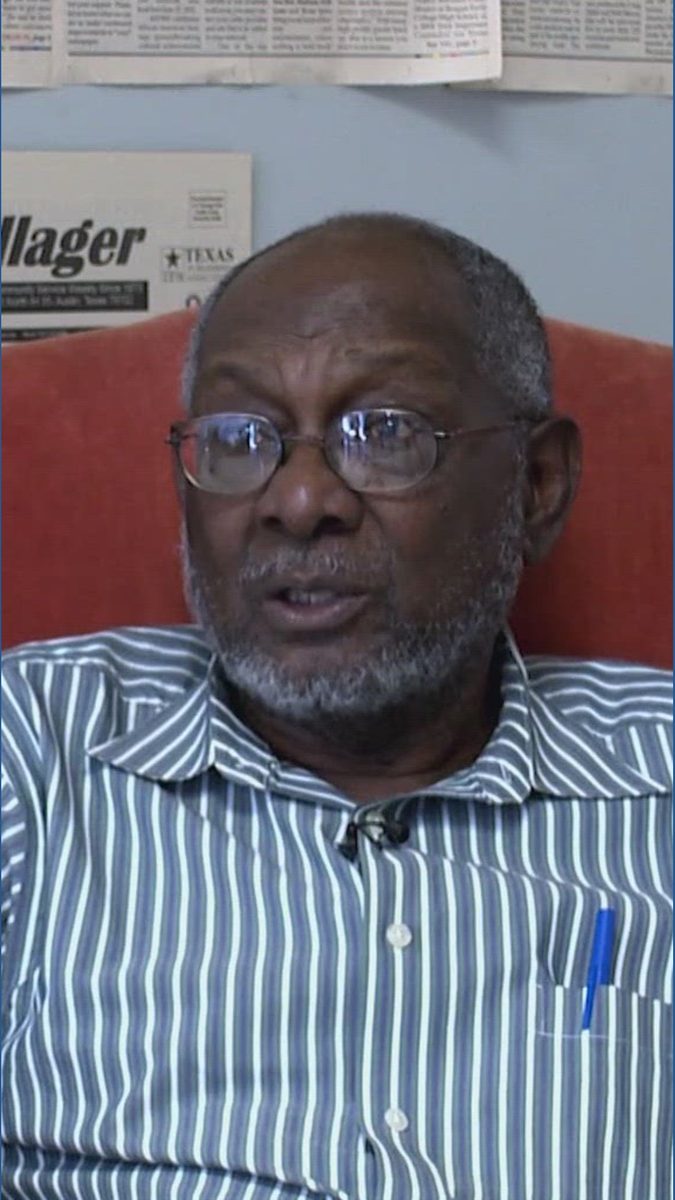
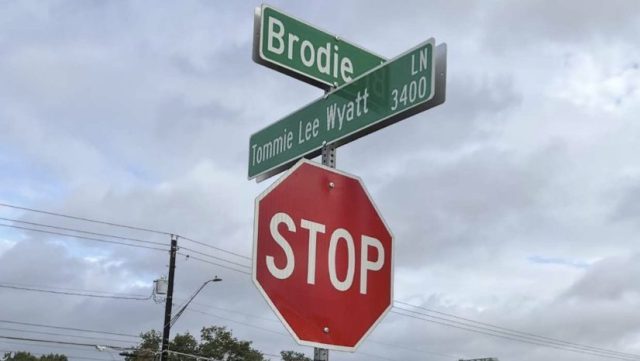
Plantation Road in South Austin is now Tommie Lee Wyatt Lane. Crews put up the new signs on October 14, less than three months after the City Council voted to honor the co-founder and longtime publisher of The Villager, a newspaper that covered Black life in Austin.

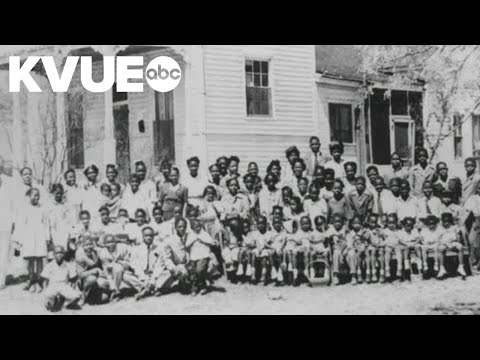
The road runs between Brodie Lane and Longview Road, through land where Thomas and Mary Kincheon started the Kincheonville farming community in 1865, after emancipation. The name it carried since the 1970s recalled the plantation economy that had enslaved them. The council also renamed a stretch of Paisano Trail as Zion Rest Lane, for the church on that road.

Why it matters

Austin is renaming Confederate-tied public assets one at a time, and this road carried its old name through land Black families built after emancipation.

Last Monday's email for Austin, TX

Sent Nov 9. It carried:

Get next Monday's: one short email a week. Free. Unsubscribe in one click.

Questions about this story

Free account needed to ask — your question is kept and asked for you right after sign-up. Answers are public.

No questions yet — be the first to ask.

Key Indicators

14 months
Resolution to ordinance (June 2025 to July 2026)
From the council resolution to the adoption of the renaming ordinance.
$1,592
Cost of the new street signs
Paid from the Austin Transportation and Public Works operating budget.
53%
Survey respondents in favor
About 53% of more than 120 responses backed the Wyatt name; about 35% opposed it.

Voices

Curated perspectives — historical figures and your fellow readers.

Sign up to generate historical perspectives on this story.

People Involved

Organizations Involved

Timeline

2018 October 2026

10 events Latest: October 21st, 2026 · 3 weeks ago
Tap a bar to jump to that date
  1. KXAN reports the renaming is complete

    Latest Announcement

    Austin Transportation announces the renaming; KXAN reports the change to the public.

  2. City staff close out the renaming

    Government

    Transportation and Public Works director Richard Mendoza sent the council a final memo confirming the stakeholder process, the July 23 vote, resident notifications and the October 14 sign installation.

  3. New street signs installed

    Implementation

    Austin Transportation installs Tommie Lee Wyatt Lane signs along the full road between Brodie Lane and Longview Road.

  4. Council adopts renaming ordinance

    Legislative

    After a public hearing, Austin City Council votes to change Plantation Road to Tommie Lee Wyatt Lane.

  5. Paisano Trail stretch renamed Zion Rest Lane

    Legislative

    In the same round of votes, the council renamed part of Paisano Trail for Zion Rest Missionary Baptist Church, which sits on the road.

  6. Public survey closes

    Community input

    Input window for the proposed Tommie Lee Wyatt Lane closes; property owners had been notified earlier.

  7. Tommie Lee Wyatt dies

    Biographical

    The Villager's longtime publisher dies in January; the proposed street name honors him.

  8. Council initiates Plantation Road renaming

    Legislative

    City Council passes Resolution No. 20250605-085, beginning the renaming process and opening public input.

  9. Local reporting describes a city renaming framework

    Policy

    KXAN reported that Austin had a formal framework for renaming streets and assets with Confederate or slavery ties. City records on this renaming instead trace it to a 2017 council resolution condemning Confederate monuments and a 2018 Equity Office memo.

  10. City memo flags Plantation Road for renaming

    Assessment

    Austin Equity and Inclusion designates Plantation Road a high-priority asset for renaming among Confederate-tied city assets.

Scenarios

1

Austin continues renaming Confederate-tied assets

Likely Resolves by End of 2027

Discussed by: Austin City Council records and the 2018 Equity and Inclusion memo listing multiple priority assets

The 2024 framework and this successful renaming create a template. The 2018 memo flagged several assets beyond Plantation Road. If the council follows its own precedent, other streets or structures with Confederate or slavery ties face the same process: resolution, public input, ordinance, new signs. The Plantation Road case proves the council will follow through, which raises the odds on the next one.

2

Renaming faces a legal or community challenge

Unlikely Resolves by Jul 23, 2027

Discussed by: Renaming opponents; no organized challenge had emerged as of October 2026 reporting

Street renames sometimes draw lawsuits from residents or property owners who object to the change, often on cost or heritage grounds. In this case the road appears to have had no organized opposition in public records, and the council vote passed without a noted challenge. A late legal filing would need to argue procedural error or harm, which would be an uphill case after a public hearing and resident notifications.

3

Tommie Lee Wyatt Lane becomes a lasting local landmark

Likely Resolves by Oct 21, 2028

Discussed by: Community supporters of the renaming

The name change is done, signs are up, and city records now list Tommie Lee Wyatt Lane. The lasting question is whether the name sticks culturally — whether it appears in maps, addresses, and everyday use, and whether the Kincheonville history gains recognition. New names usually become permanent unless a future council revisits them, which is rare for a non-controversial rename.

Historical Context

3 moments from history that rhyme with this story — and how they unfolded.

May 2017

New Orleans removes Confederate monuments (2017)

Under Mayor Mitch Landrieu, New Orleans removed four Confederate monuments, including a statue of Robert E. Lee, after a city council vote. Workers took them down overnight, citing safety concerns after threats from opponents.

Then

The removals sparked protests and lawsuits, but the monuments stayed down.

Now

The move became a national template for cities reassessing Confederate symbols after the 2015 Charleston church shooting.

Why this matters now

Like New Orleans, Austin is working through a formal public process to remove or rename Confederate symbols. The difference: Austin renamed a street rather than removing a statue, using a quieter, slower administrative path.

June-July 2020

Richmond, Virginia removes Confederate statues (2020)

After George Floyd's murder, Richmond removed its Monument Avenue statues — including the Lee statue that had stood since 1890 — amid protests. The city later transferred ownership to the Black History Museum.

Then

Statues came down within weeks under emergency authority.

Now

Richmond has since debated what to do with the empty plinths, a conversation now common in former Confederate cities.

Why this matters now

Richmond shows the fast, contested version of Confederate-symbol removal. Austin's street renaming is the deliberate alternative: a multi-year process with surveys, hearings, and council votes.

1865-1900s

Kincheonville freedmen settlement (1865-1900s)

After emancipation, Thomas and Mary Kincheon, a formerly enslaved couple, settled land in what is now South Austin, building a ~300-acre farming community called Kincheonville with Black, Hispanic, and Anglo residents.

Then

The community thrived for decades as a self-sufficient farming settlement.

Now

The settlement eventually faded; by the 1970s suburban development covered the land, and a new street was named Plantation Road — erasing the community's memory.

Why this matters now

The street's new name is a direct correction of that erasure: Tommie Lee Wyatt Lane sits on land where freed Black families built a community, and it now honors a Black journalist instead of the institution that enslaved them.

Sources

(10)