
Pull to refresh
Logo
Austin approves $21 million for five affordable housing developments

Austin approves $21 million for five affordable housing developments

Money Moves Austin, TX local

City Council taps 2022 housing bond and federal funds to finance five projects

Overview

Updated Oct 25

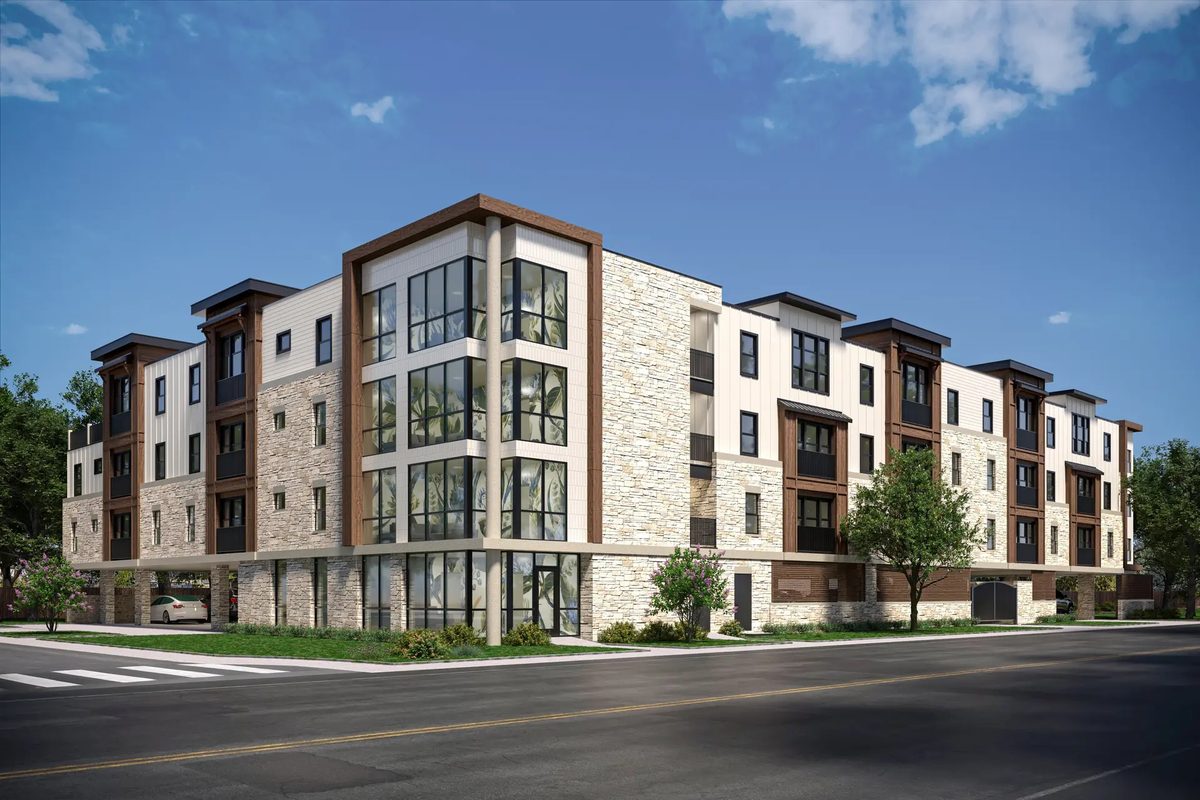
Austin's City Council, sitting as the Austin Housing Finance Corp. board, approved $21.09 million in loans for five affordable housing projects on Oct. 22. Most of the money comes from general obligation bonds voters approved in 2022; $1.01 million is federal HOME money.

The AHFC record lists 178 income-restricted apartments across the five sites, including 54 reserved for households at or below 30% of the area median family income. The largest awards are $7.92 million for Jordan II, a 66-unit project off Philomena Street in East Austin, and $5.2 million for The Maven near Highland Mall. The record does not list total unit counts for the other three projects, and no construction dates have been published.

Why it matters

This funding helps determine whether Austin can keep low- and middle-income residents as rents climb and the city's median income rises.

Last Monday's email for Austin, TX

Sent Nov 9. It carried:

Get next Monday's: one short email a week. Free. Unsubscribe in one click.

Questions about this story

Free account needed to ask — your question is kept and asked for you right after sign-up. Answers are public.

No questions yet — be the first to ask.

Key Indicators

$21.09M
Total funding approved
Loans authorized by the AHFC board for five projects
178
Income-restricted units
Apartments at 30% or 50% of median family income in the AHFC record
54
Units at 30% of median income
Deepest-affordability units across the five projects
$20.08M
From 2022 housing bond
Bond-funded share; $1.01M more comes from federal HOME funds

Voices

Curated perspectives — historical figures and your fellow readers.

Sign up to generate historical perspectives on this story.

People Involved

Organizations Involved

Timeline

2022 October 2026

4 events Latest: October 23rd, 2026 · 3 weeks ago
Tap a bar to jump to that date
  1. Austin approves $21 million in funding

    Latest Announcement

    News report confirms the funding approval for five developments.

  2. Council authorizes $21.09 million in loans

    Funding

    City Council, as AHFC board, approves loans for five affordable housing projects.

  3. Council supports state tax credits for projects

    Policy

    City Council votes to support Texas Low-Income Housing Tax Credits for several proposed developments.

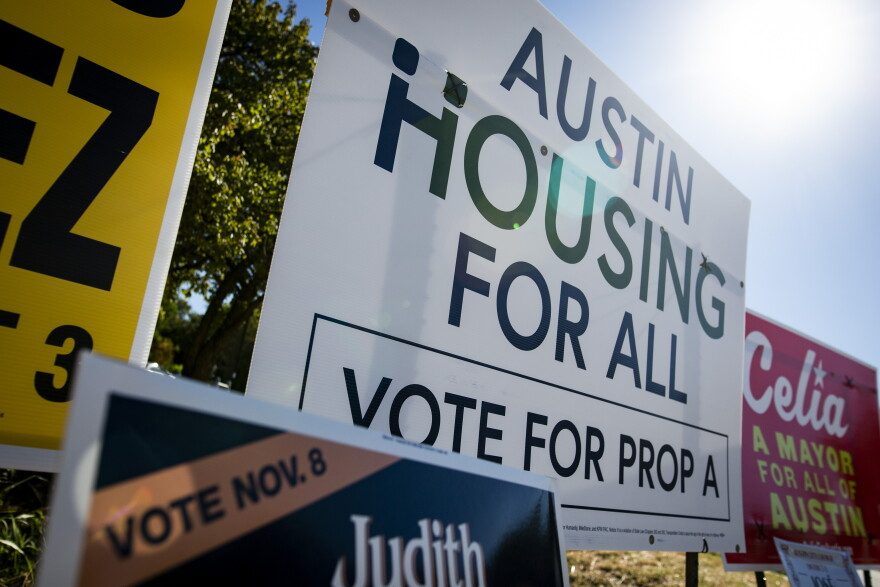
  4. Voters approve $350 million housing bond

    Election

    Austin voters pass a $350 million bond to fund affordable housing and other projects.

Scenarios

1

All five projects break ground by 2027

Possible Resolves by End of 2027

Discussed by: City officials and developers

If financing closes and permits are issued, the projects could start construction within a year. The city has a track record of moving bond-funded projects forward.

2

Some projects face delays or funding shortfalls

Possible Resolves by Q2 2027

Discussed by: Community Impact

Construction costs have risen, and some projects may need additional funding or face delays. The city has previously seen bond-funded projects stall.

3

Projects deliver on affordability targets

Likely Resolves by End of 2028

Discussed by: City housing officials

If the units are built and leased as planned, they will provide deeply affordable housing for years. The city will track income levels of tenants.

Historical Context

2 moments from history that rhyme with this story — and how they unfolded.

November 2022

Austin's 2022 housing bond

Austin voters approved a $350 million bond to fund affordable housing, parks, and other projects. The bond was the largest in the city's history.

Then

The bond provided a dedicated funding source for affordable housing projects.

Now

It has funded dozens of developments across the city, including the five approved in October 2026.

Why this matters now

This funding round draws directly from that bond, showing how voter-approved money is being deployed.

1986

Low-Income Housing Tax Credit program (1986)

The federal Tax Reform Act created the Low-Income Housing Tax Credit, which gives developers tax breaks for building affordable housing. It has become the primary federal tool for producing affordable rental units.

Then

Developers gained a new financing mechanism.

Now

The program has financed over 3 million units nationwide.

Why this matters now

Several of the Austin projects also rely on state tax credits, which are part of this federal program.

Sources

(4)