
Pull to refresh
Logo
Alexandria school board weighs K-8 phase-out to ease middle school crowding

Alexandria school board weighs K-8 phase-out to ease middle school crowding

Built World Alexandria, VA local

Board asked for a no-build comparison, modular classrooms and fresh enrollment data; staff promised corrected figures by Nov. 12.

Overview

Updated 3 days ago

Alexandria's middle schools are projected to reach about 118% of capacity by fiscal year 2030. Enrollment could then fall below 100% after fiscal year 2032, even with the Jefferson-Houston conversion adding seats.

The cheapest option, already in the capital plan, costs $48.7 million and adds a net 407 middle school seats. Alternatives run to $237.5 million for 557 seats. Board members asked for a no-build comparison, modular classrooms and updated enrollment data, and staff promised corrected costs and per-school numbers by Nov. 12.

Why it matters

Alexandria's middle schools are projected to run 18% over capacity by 2030. The board's choice decides which neighborhoods absorb growth and at what cost.

Questions about this story

Free account needed to ask — your question is kept and asked for you right after sign-up. Answers are public.

No questions yet — be the first to ask.

Key Indicators

118%
Projected middle school utilization
Projected middle school capacity by fiscal year 2030.
$48.7M
Cost of capital plan option
Cost of the option already in the approved capital plan.
407
Net middle school seats added
Net middle school seats added by the capital plan option.
$167.6M
New middle school at Polk
Cost of a new middle school at Polk Elementary while keeping the elementary school.
$181.4M
Cora Kelly conversion estimate
Estimated cost to convert Cora Kelly School into a middle school, as reported by ALXnow.
$237.5M
Highest alternative cost
Highest-cost alternative reviewed by the board.
557
Net middle school seats in alternatives
Net middle school seats added by each Cora Kelly or Polk alternative.

Voices

Curated perspectives — historical figures and your fellow readers.

Sign up to generate historical perspectives on this story.

People Involved

Organizations Involved

Timeline

November 2025 November 2026

3 events Latest: 6 days ago
  1. Board agenda includes George Mason deed and Oct. 29 minutes

    Latest Board Meeting

    The Nov. 5 agenda included a deed dedication and easement for George Mason Elementary, advisory committee appointments, and approval of minutes from the Oct. 22 and Oct. 29 meetings. The draft Oct. 29 minutes restate the four capacity options.

  2. Board reviews four capacity options

    Work Session

    School Board reviews four middle school capacity options; no vote taken. Members ask for a no-build scenario, modular classrooms and updated enrollment data, and staff promise corrected costs and per-school figures by Nov. 12.

  3. Cora Kelly cost estimate surfaces

    Statement

    ACPS official Sophie Huemer estimated a Cora Kelly middle school conversion at about $156 million.

Scenarios

1

Board adopts $48.7 million K-8 conversion plan

Possible Resolves by Q2 2027

Discussed by: ACPS staff memo and the approved FY 2027-36 capital plan

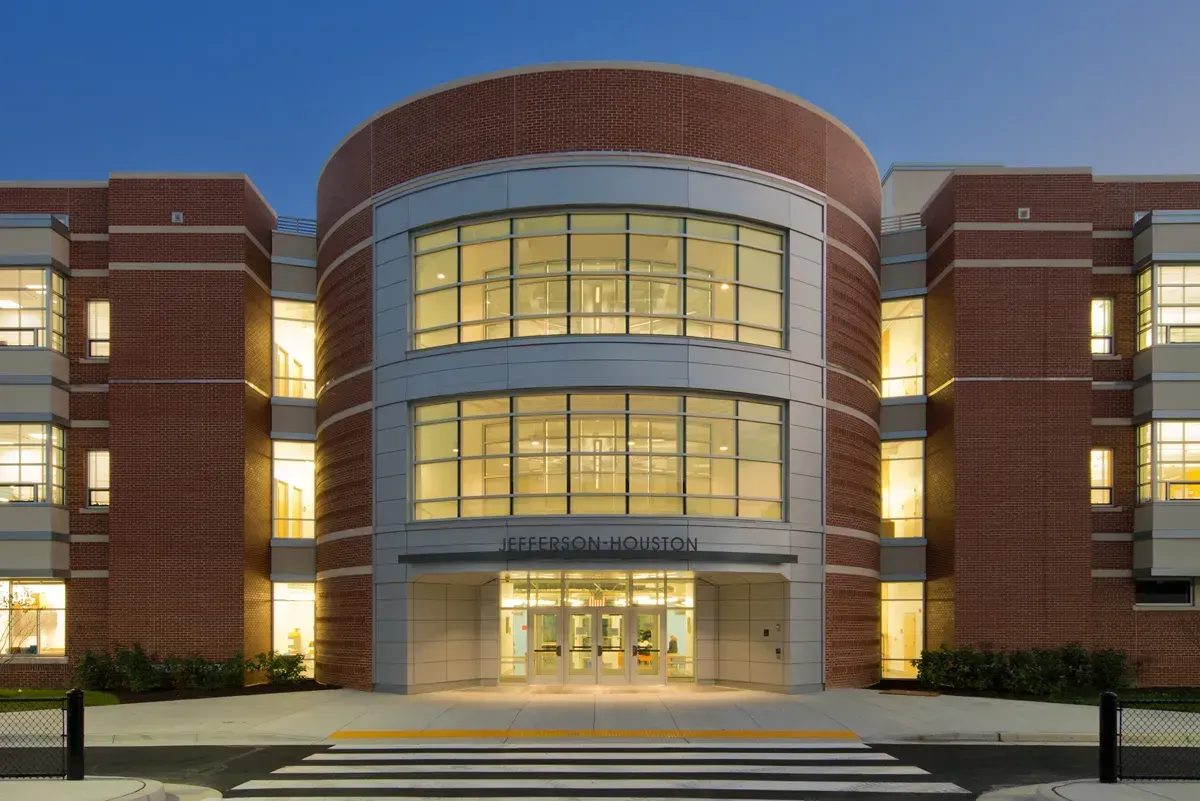
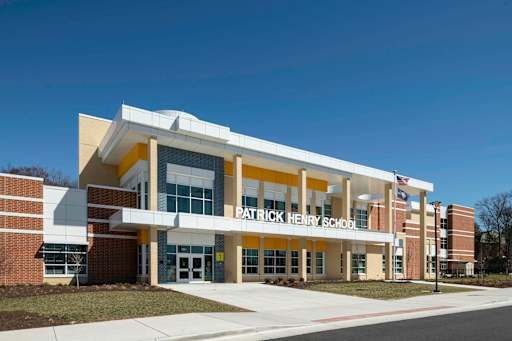
The board keeps the approach already in the capital plan: Patrick Henry becomes an elementary school and Jefferson-Houston becomes a middle school. Staff says this adds 407 net middle school seats and cuts 291 elementary seats. It is the cheapest option by about $118.9 million.

2

Board picks Cora Kelly or Polk alternative

Uncertain Resolves by Q2 2027

Discussed by: Staff alternatives and board member Abdulahi Abdalla's questions about Cora Kelly costs

The board chooses a more expensive path that also converts Patrick Henry and Jefferson-Houston to elementary schools. A new middle school at Polk or a Cora Kelly conversion adds 557 net middle school seats. Costs run from $167.6 million to $237.5 million.

3

Board delays middle school capacity decision

Possible Resolves by Q2 2027

Discussed by: Board requests for a do-nothing scenario, modular classrooms, and updated enrollment data

The board asks for more analysis and does not adopt any of the four options in the FY 2028-37 capital plan. Crowding projections continue while staff studies modulars or a no-build scenario. The decision slips to a later budget cycle.

4

Board funds modular classrooms instead of a school conversion

Uncertain Resolves by Q2 2027

Discussed by: School Board members who asked staff to examine modulars at the Oct. 29 work session

The board adds portable classrooms to existing middle schools rather than converting Patrick Henry, Jefferson-Houston, Cora Kelly or Polk. Staff have not published a modular cost estimate, so the option competes with the $48.7 million conversion already in the capital plan.

Historical Context

2 moments from history that rhyme with this story — and how they unfolded.

2013

Chicago Public Schools closures (2013)

Chicago Public Schools closed dozens of schools, mostly in Black and Latino neighborhoods, citing underutilization and budget deficits. The district argued it was consolidating empty seats. Protests and lawsuits followed.

Then

The closures displaced many students and became a national example of the risks of top-down consolidation.

Now

Enrollment continued to fall in many affected neighborhoods, and the district later faced criticism for not pairing closures with enough community investment.

Why this matters now

Alexandria's options also trade building utilization against neighborhood disruption, though the scale is far smaller.

1974-1975

Boston school desegregation (1974)

A federal judge ordered Boston to desegregate its schools, leading to court-ordered busing and redrawn attendance zones. The order followed years of resistance to integration.

Then

Violence broke out in several neighborhoods, and many white families left the district.

Now

Boston's schools became more segregated by neighborhood and race, and the busing era shaped local politics for decades.

Why this matters now

The episode shows how school assignment boundaries can become fights over neighborhood identity and equity, a dynamic present in Alexandria's redistricting debate.

Sources

(7)