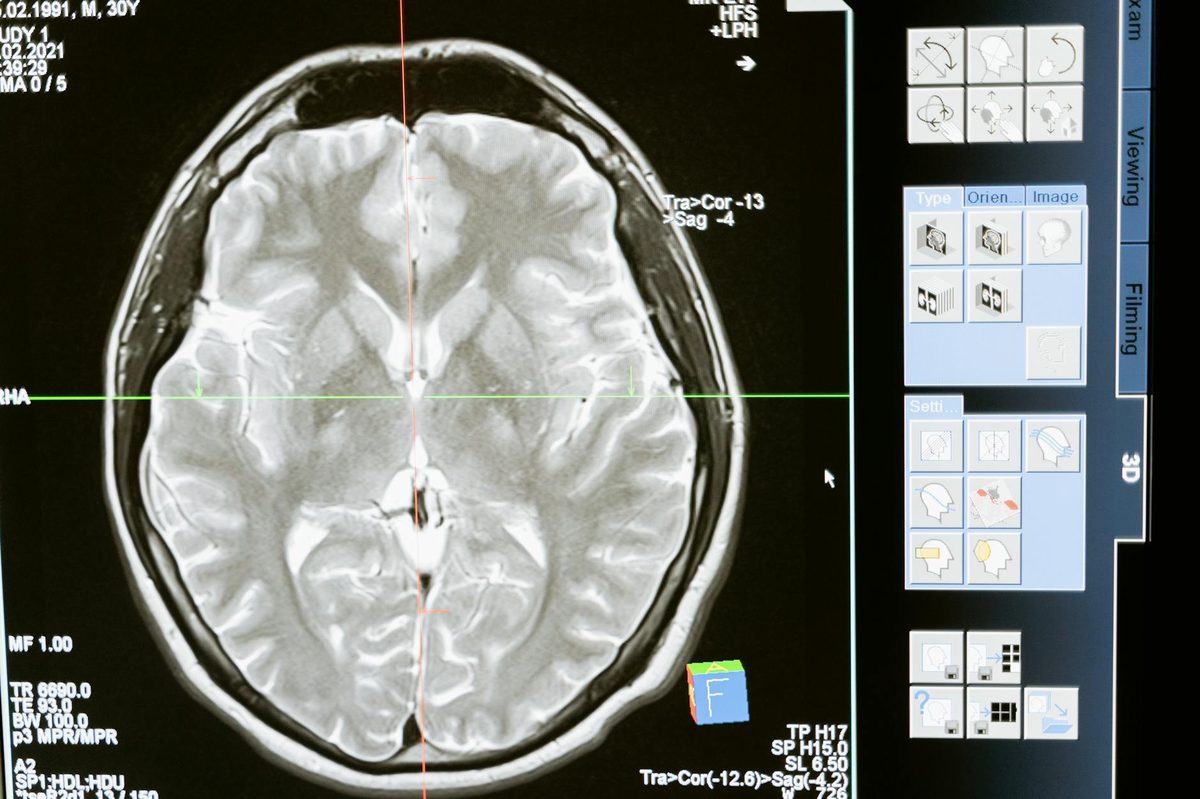
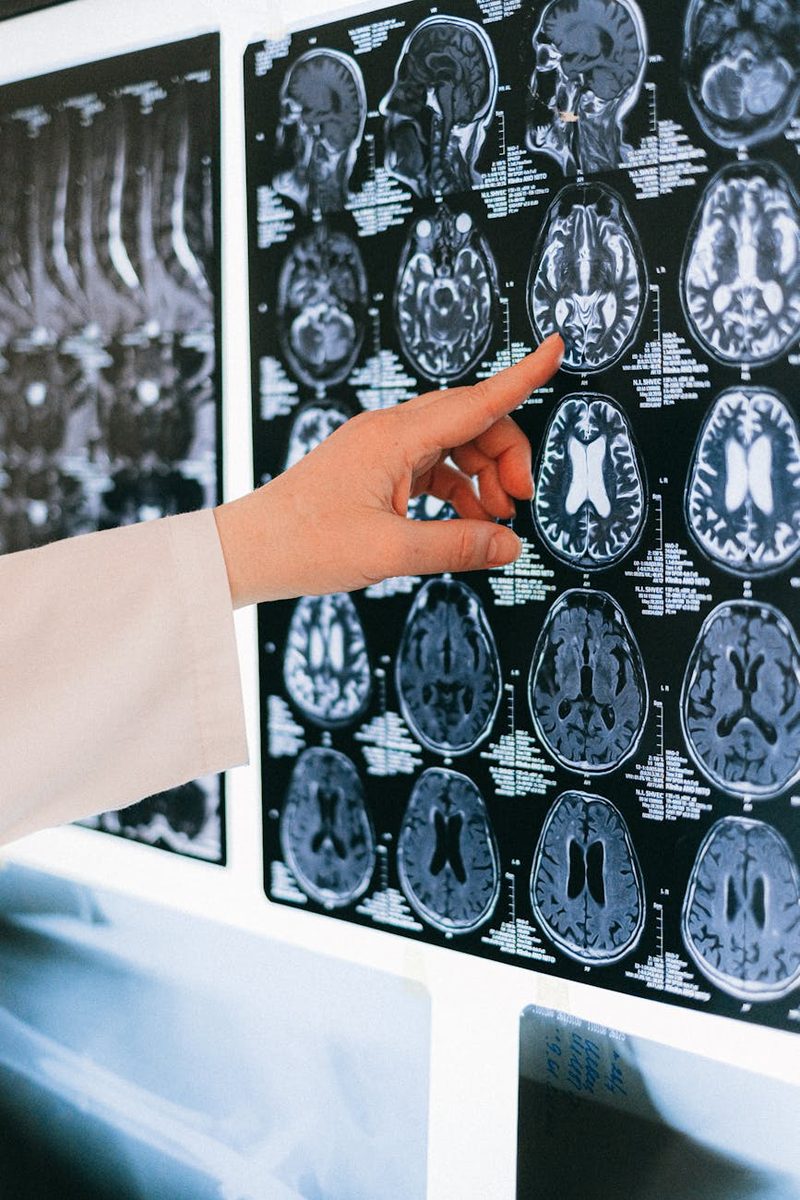
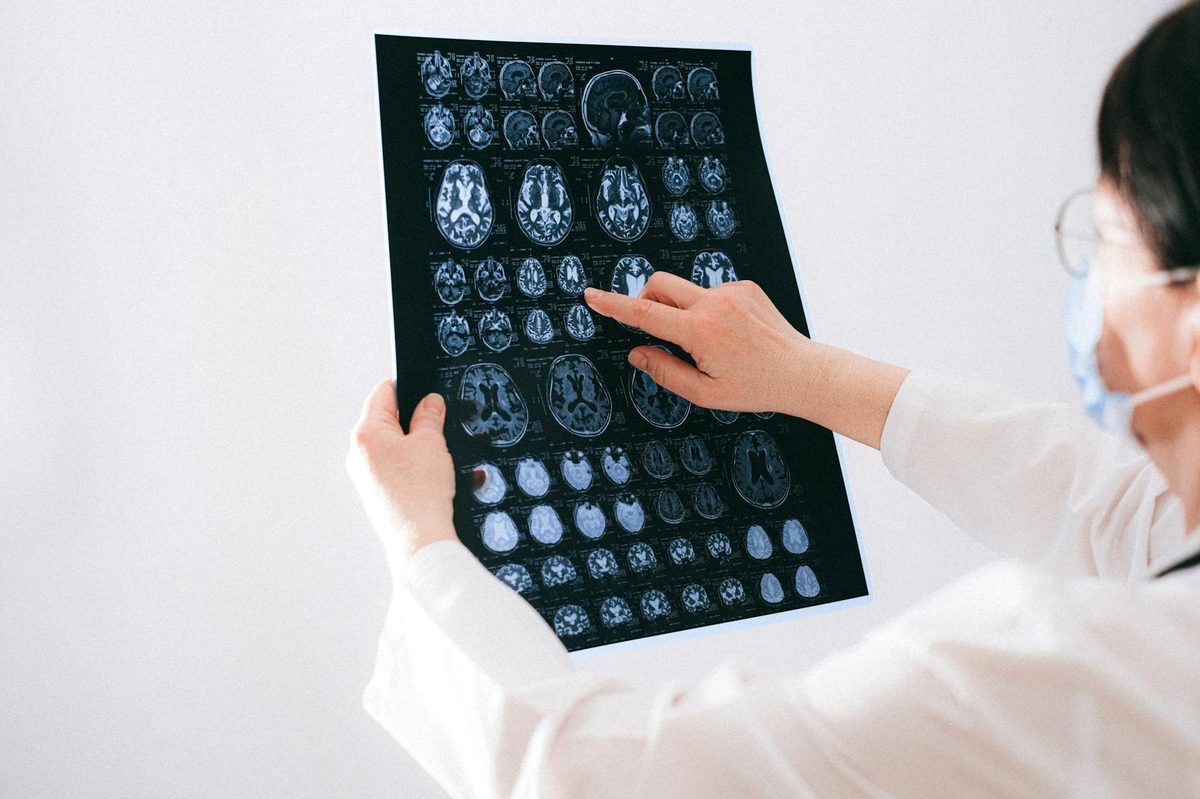
University of Michigan researchers published Prima in February 2026, an AI that reads brain MRIs in seconds with up to 97.5% accuracy across 50 neurological conditions. In April 2026, Harvard Medical School reported that OpenAI's o1 model correctly diagnosed emergency patients 67% of the time, compared to 50–55% for two attending physicians reviewing the same cases.
As of June 2026, Prima still awaits FDA review. Aidoc raised $150 million in late April to expand its CARE clinical foundation model. Separately, UC Berkeley and UCSF released Pillar-0, an open-source radiology AI that outperformed models from Google, Microsoft, and Alibaba on 350 imaging findings.
Why it matters
AI systems now outperform ER doctors at diagnosis in controlled tests—how hospitals respond will affect millions of patients.
Questions about this story
Free account needed to ask — your question is kept and asked for you right after sign-up. Answers are public.
No questions yet — be the first to ask.
Key Indicators
97.5%
Prima diagnostic accuracy
Highest accuracy achieved across 50+ neurological conditions in validation testing
1,104
FDA-cleared radiology AI devices
Total AI-enabled radiology devices authorized through early 2026, representing 76% of all medical AI approvals
67%
AI emergency diagnostic accuracy
OpenAI o1 accuracy in a Harvard Medical School ER study published in Science (April 2026), versus 50–55% for two attending physicians on the same cases
30%
Radiologists using AI clinically
Current adoption rate despite widespread availability of FDA-cleared tools
16 events
Latest: May 5th, 2026 · 4 months ago
Showing 8 of 16
JK to step
Tap a bar to jump to that date
Jump to
May 2026
Viz.ai Achieves ISO/IEC 42001 AI Governance Certification
LatestAnnouncement
Viz.ai became one of the first healthcare AI companies to earn ISO/IEC 42001 certification, an international standard for AI management systems requiring independent third-party audit. The company also ranked first overall in the 2026 Black Book AI Clinical Decision Support survey.
April 2026
Aidoc Raises $150 Million Series E to Scale Clinical AI
Business
Aidoc raised $150 million in a Series E led by Goldman Sachs Growth Equity, with SoftBank Vision Fund 2, NVIDIA, and four U.S. health systems—Hartford HealthCare, Mercy, Sutter Health, and WellSpan—among investors. The company plans to use the capital to expand CARE, its clinical foundation model, toward covering 90% of clinically relevant diseases within three years.
Berkeley and UCSF Release Pillar-0, Open-Source Radiology AI
Research
Researchers from UC Berkeley and UC San Francisco released Pillar-0, an open-source model that reads 3D CT and MRI volumes directly and scored .87 AUC across 350+ radiologic findings. It outperformed publicly available models from Google, Microsoft, and Alibaba. The team launched a startup, Voio, to commercialize the technology.
March 2026
FDA Radiology AI Authorizations Reach 1,104
Regulatory
A new round of FDA clearances pushed the total of AI-enabled radiology devices to 1,104. The fourth quarter of 2025 added 55 radiology tools. Radiology held 76% of all medical AI authorizations.
Viz.ai Data Shows 44% Faster Stroke Transfer Times
Research
At the American Heart Association's International Stroke Conference, Viz.ai presented data showing a 44% reduction in door-in-door-out transfer time for large vessel occlusion stroke patients. The improvement cut nearly 90 minutes from historical performance at a regional stroke center.
February 2026
Prima AI System Gains Widespread Media Coverage
Announcement
The University of Michigan announced Prima's capabilities to the public, highlighting its potential to address radiologist shortages and speed emergency diagnosis for stroke and brain hemorrhage patients.
University of Michigan Publishes Prima Brain MRI AI Study
Research
Researchers published results showing Prima, an AI trained on 5.6 million MRI sequences, could diagnose brain conditions in seconds with up to 97.5% accuracy and automatically triage emergency cases for specialist review.
January 2026
FDA Clears First Comprehensive Multi-Condition Radiology AI
Regulatory
The FDA cleared Aidoc's CARE foundation model to triage 14 acute conditions on a single abdominal CT scan, including appendicitis, bowel obstruction, and liver injury, with 97% mean sensitivity. It was the first FDA clearance for a comprehensive multi-condition foundation model in radiology.
September 2025
FDA Radiology AI Approvals Surpass 1,000
Regulatory
The FDA reported 1,039 AI-enabled radiology devices authorized, representing 77% of all medical AI approvals since 1998. The year saw 295 new AI medical device clearances.
October 2024
AlphaFold Creators Win Nobel Prize in Chemistry
Recognition
Demis Hassabis and John Jumper of Google DeepMind received the Nobel Prize in Chemistry for developing AlphaFold, the AI system that solved the 50-year-old problem of predicting protein structures. The tool has been used by researchers developing malaria vaccines and cancer treatments.
January 2022
IBM Sells Watson Health for $1 Billion After $5 Billion Investment
Business
IBM sold its Watson Health division to private equity firm Francisco Partners, effectively ending its flagship AI healthcare initiative. Watson for Oncology had failed to demonstrate reliable clinical performance, with concordance with expert oncologists ranging from 12% to 96% depending on location.
August 2018
DeepMind AI Matches Expert Eye Disease Diagnosis
Research
Google DeepMind published research showing its AI system could diagnose over 50 eye diseases from optical coherence tomography scans with 94% accuracy, matching world-leading ophthalmologists.
April 2018
First Fully Autonomous Diagnostic AI Approved
Regulatory
The FDA authorized IDx-DR as the first AI system permitted to make diagnostic decisions without physician review. The algorithm detects diabetic retinopathy from retinal images with approximately 90% accuracy.
February 2018
FDA Clears First AI Stroke Detection System
Regulatory
Viz.ai received De Novo clearance for its Contact application, the first AI tool cleared to analyze CT scans and alert providers to potential strokes. The FDA created a new regulatory classification for clinical decision support software.
January 2002
Medicare Approves Reimbursement for Mammography CAD
Regulatory
The Centers for Medicare & Medicaid Services approved reimbursement for computer-aided detection in mammography, driving widespread adoption. By 2016, 90% of U.S. radiology centers used CAD for mammography screening.
June 1998
FDA Approves First AI Radiology Device
Regulatory
The FDA cleared R2 Technology's ImageChecker M1000, the first computer-aided detection system for mammography. The device converted film mammograms to digital images and flagged potential abnormalities for radiologist review.
Scenarios
1
Prima Receives FDA Clearance, Deploys at Major Health Systems
Likely
Discussed by: Michigan Medicine researchers, healthcare technology analysts at Inside Precision Medicine
Prima's training on real patient data and integration of clinical history positions it for FDA review under the 510(k) pathway. If cleared, academic medical centers and large hospital networks—facing radiologist shortages—would be early adopters. The system's triage capability, which alerts stroke neurologists or neurosurgeons directly, addresses the time-critical nature of emergency neurology. Success would validate the vision language model approach for comprehensive imaging interpretation rather than narrow, single-condition detection.
2
Adoption Stalls as Workflow Integration Challenges Persist
Possible
Discussed by: Philips healthcare research, deepc AI analysis, Mayo Clinic Proceedings
Only 30% of radiologists currently use AI tools routinely, with over 40% reporting increased workload when integrating them. Prima's comprehensive approach requires changes to established reading workflows—radiologists would need to review AI-generated diagnoses rather than form their own impressions first. Without seamless integration into picture archiving systems and electronic health records, the technology could follow the pattern of mammography CAD: widely deployed but adding minimal clinical value. Real-world accuracy may also decline 15-30% from validation performance due to population differences.
3
Liability Uncertainty Limits Autonomous Use
Possible
Discussed by: JAMA Network Open, American Medical Association Journal of Ethics, medical malpractice attorneys
No clear legal framework exists for AI diagnostic errors. Courts currently place liability primarily on physicians, but radiologists may resist using tools whose reasoning they cannot fully understand. The "black box" nature of neural networks means neither manufacturers nor clinicians can explain specific diagnostic decisions. Until legislation or case law clarifies responsibility—potentially distributing liability among physicians, hospitals, and AI developers—health systems may deploy Prima only as a secondary check rather than a primary diagnostic tool.
4
AI Triage Becomes Standard of Care for Neurological Emergencies
Possible
Discussed by: Viz.ai clinical studies, Harvey L. Neiman Health Policy Institute projections
Viz.ai's documented outcomes—40% reduction in stroke disability, 52 minutes saved per case—have led some hospital systems to mandate AI triage for emergency neurovascular imaging. If Prima demonstrates similar real-world benefits, professional societies could establish AI-assisted triage as the expected standard, particularly for emergency departments without on-site neuroradiologists. This would shift the liability calculus: failing to use available AI tools could itself become evidence of negligence.
5
General-Purpose AI Reasoning Models Displace Specialized Radiology Tools
Uncertain
Discussed by: Harvard Medical School researchers including Arjun Manrai; emergency physician Kristen Panthagani via STAT News
A Harvard study published in Science on April 30, 2026 found OpenAI's o1 model outperformed ER physicians using text-based case files, with no imaging data involved. If general-purpose reasoning models can match or exceed the diagnostic performance of imaging-specific tools through clinical text alone, health systems may shift investment away from specialized radiology AI. Prima and Pillar-0 would then face a different competitor: AI already embedded in hospital electronic records.
Historical Context
3 moments from history that rhyme with this story — and how they unfolded.
1 of 3
1998-2016
Computer-Aided Detection in Mammography (1998-2016)
The FDA approved the first mammography CAD system in 1998. After Medicare approved reimbursement in 2002, adoption reached 90% of U.S. radiology centers by 2016. CAD systems flagged suspicious regions for radiologist review, promising to catch cancers that humans might miss.
Then
Mammography CAD became nearly universal in American breast cancer screening.
Now
Real-world studies showed CAD did not significantly improve diagnostic accuracy. The technology increased false positive rates and recall rates without corresponding improvements in cancer detection. The experience taught the field that widespread adoption does not equal clinical benefit.
Why this matters now
Prima faces the same challenge: laboratory accuracy does not guarantee real-world impact. The mammography CAD experience shows why prospective clinical trials—measuring actual patient outcomes—matter more than retrospective accuracy metrics.
2 of 3
2013-2022
IBM Watson for Oncology (2013-2022)
IBM invested over $5 billion developing Watson for Oncology, an AI system meant to recommend cancer treatments by analyzing medical literature and patient records. MD Anderson Cancer Center canceled its $62 million Watson project in 2016 after the system could not reliably process physician notes. By 2018, more than a dozen partners had abandoned Watson oncology projects.
Then
IBM sold Watson Health in 2022 for approximately $1 billion—a $4 billion loss.
Now
The failure demonstrated that AI trained on hypothetical cases and medical literature could not generalize to real patients. Modern AI systems like Prima train on actual clinical data, learning from how physicians actually diagnose rather than how textbooks describe disease.
Why this matters now
Prima's approach—training on 200,000 real MRI studies with physician diagnoses—directly addresses Watson's central failure. The system learns from actual clinical practice rather than synthetic cases or literature abstracts.
3 of 3
February 2018
Viz.ai Stroke Detection FDA Clearance (2018)
Viz.ai received the first FDA clearance for AI software that could alert physicians to potential strokes detected in CT scans. The approval created a new regulatory category for clinical decision support software and established a pathway for AI triage tools. The company submitted a 300-scan retrospective study showing faster detection than neuroimaging specialists in over 95% of cases.
Then
The FDA's De Novo pathway enabled subsequent AI triage tools to seek clearance more easily.
Now
Viz.ai deployed to over 1,700 hospitals by 2025, with clinical studies documenting 40% reduction in stroke disability and 52 minutes saved per case. The platform demonstrated that AI triage could deliver measurable patient benefit, not just diagnostic accuracy.
Why this matters now
Prima's emergency triage capability follows Viz.ai's model—automatically routing urgent cases to appropriate specialists. Viz.ai's clinical validation provides a template for how Prima might demonstrate real-world benefit beyond accuracy metrics.