0
How did the ai design it/
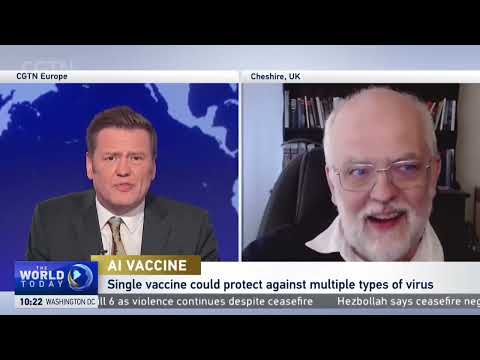
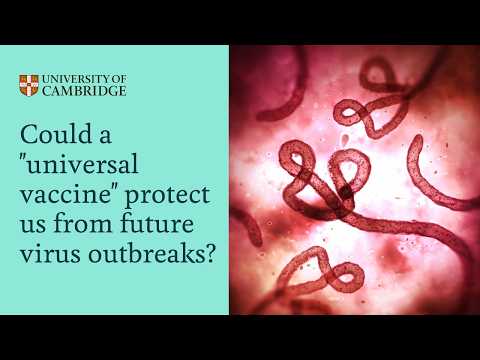
The AI scanned genetic sequences from dozens of coronaviruses — including bat viruses never seen in humans — identified protein features shared across the whole family, then built a synthetic antigen from scratch to hit those conserved targets.
Why it matters: Because the antigen wasn't copied from any real virus, it isn't tied to any single strain — a fundamental shift from how every previous vaccine was made.
- DIOSynVax's platform fed large databases of Sarbecovirus genetic sequences into a machine-learning model that mapped structural regions conserved across the group, not just in SARS-CoV-2.
- From that analysis, the model generated a 'super-antigen' — a wholly synthetic protein designed to present those shared features to the immune system, optimized computationally for broad antibody responses.
- The preclinical design was published in Nature Biomedical Engineering in 2023; the human trial, reported June 2026, confirmed it triggered responses against SARS-CoV-2, the original SARS virus, and related bat coronaviruses.
- A parallel T-cell-focused method (Spectravax) uses a similar computational approach but targets immune diversity in both the host and the virus population — it covered SARS-CoV, SARS-CoV-2, and MERS-CoV in preclinical work.
Room for disagreement
- Some researchers question whether a computationally designed antigen targeting conserved regions will produce strong enough neutralizing antibody responses in practice — the phase 1 trial showed immune responses were triggered, but a larger trial is still needed to measure actual protection levels.
AI-generated with web search — may be wrong. Check the linked sources.