



Pull to refresh
Logo
Amazon cargo crew warned of excessive speed before fatal Miami crash

Amazon cargo crew warned of excessive speed before fatal Miami crash

Built World

NTSB recordings show one pilot flagged the plane's speed for nearly two minutes; the other gave no consistent response

2 days ago: Pilot warned of excessive speed for nearly two minutes, recordings show

Overview

Updated 2 days ago

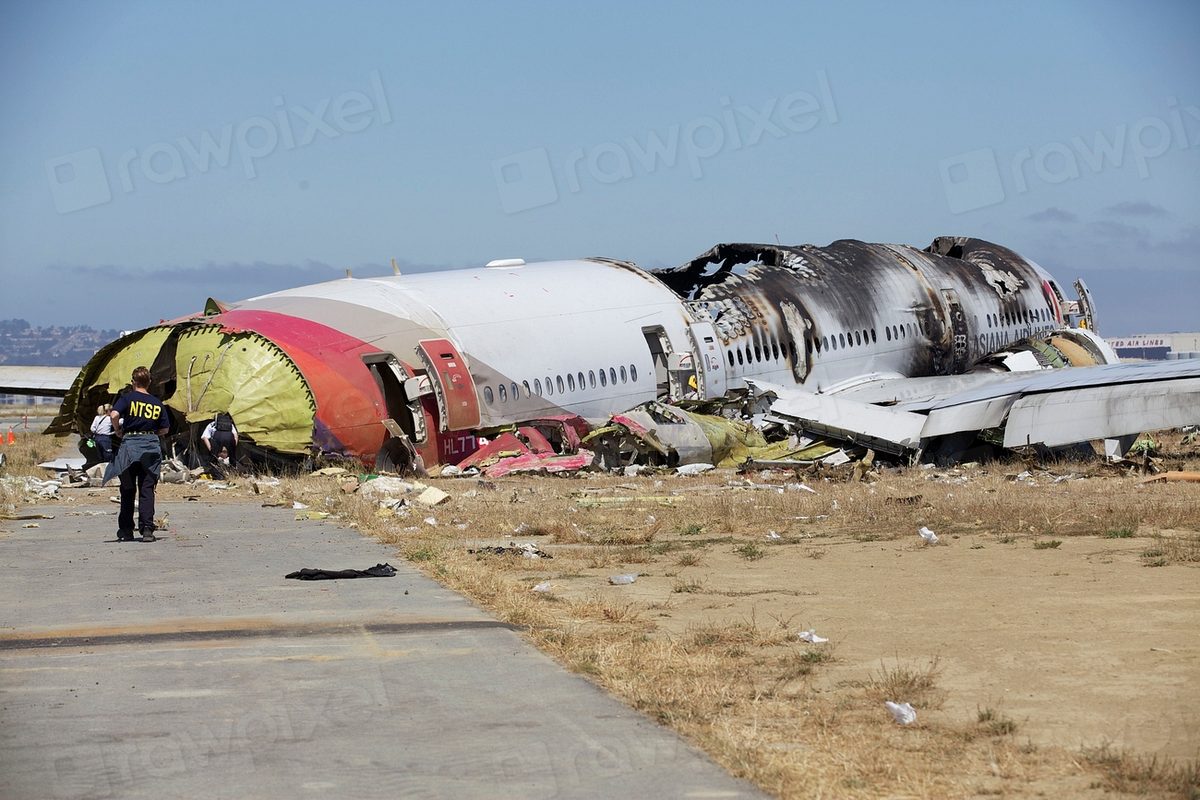
An Amazon Prime Air cargo jet slid off a runway at Miami International Airport on Sept. 6 and killed five workers in a ground van. Recordings show one pilot warned for nearly two minutes that the plane was landing too fast.

The Boeing 767 touched down at roughly 182 mph, about halfway down the 9,360-foot runway. The crew briefly released the brakes and added power as if to abort, then abandoned the attempt four seconds later without deploying spoilers or thrust reversers.

Why it matters

Five workers died because a cargo crew landed too fast and ignored warnings. The NTSB's findings could reshape cargo pilot training on unstable approaches.

Questions about this story

Free account needed to ask — your question is kept and asked for you right after sign-up. Answers are public.

No questions yet — be the first to ask.

Key Indicators

5
People killed on the ground
All five victims were in a van hit by the plane after it cleared the runway.
0.4 km
Distance plane traveled past runway end
The 767 overran the 2.9-km runway by about 396 meters before striking vehicles.
1 min 42 sec
Duration of speed warnings before touchdown
One pilot repeatedly flagged the approach speed; the other gave no consistent response.
2.9 km
Runway length at Miami International
The plane was nearly halfway down the runway when its landing gear first touched.

Voices

Curated perspectives — historical figures and your fellow readers.

Ever wondered what historical figures would say about today's headlines?

Sign up to generate historical perspectives on this story.

People Involved

Organizations Involved

Timeline

4 events Latest: 2 days ago
Tap a bar to jump to that date
  1. Cargo jet overruns Miami runway, kills five in van

    Crash

    Boeing 767 slides off runway into vehicles on the ground, killing five workers and injuring five others.

Scenarios

1

NTSB names crew error as probable cause of crash

Likely Resolves by End of 2027

Discussed by: Former FAA official Mike O'Donnell and other aviation experts cited by the Associated Press

The cockpit voice recorder captures repeated speed warnings, sink rate alerts, and terrain warnings during the approach, plus a four-second, abandoned go-around attempt after touchdown. Investigators could conclude the crew failed to recognize an unstabilized approach and mismanaged the landing. That finding would likely reshape training standards for cargo pilots on approach stabilization and go-around decision-making.

2

FAA enforcement action or lawsuit settlement involving 21 Air

Possible Resolves by Q2 2027

Discussed by: Aviation attorney Pablo Rojas and plaintiffs' attorneys

The wrongful death lawsuit filed Sept. 9 could push 21 Air and Amazon toward settlement as liability becomes clearer. Separately, if the NTSB or FAA finds problems in 21 Air's training program or operating practices, the FAA could impose fines or conditions on the carrier's certificate. Either outcome would resolve the financial stakes for the airline.

3

NTSB issues safety recommendations on unstabilized approach training

Possible Resolves by End of 2027

Discussed by: Former Department of Transportation Inspector General Mary Schiavo

The sequence of events — a fast approach, ignored warnings, and a delayed abort — resembles a classic unstabilized approach scenario. The NTSB could issue safety recommendations to the FAA on approach stabilization criteria or go-around training. Such recommendations are binding on no one but often trigger FAA rulemaking.

Historical Context

3 moments from history that rhyme with this story — and how they unfolded.

December 2005

Southwest Airlines Flight 1248 (2005)

A Boeing 737 slid off a snow-covered runway at Chicago Midway airport, broke through a perimeter fence, and struck two cars on a roadway, killing a 6-year-old boy and injuring several passengers.

Then

The NTSB found the flight crew failed to properly account for runway conditions and did not use reverse thrust soon enough after landing long.

Now

The crash prompted changes in how airlines calculate landing distances in wintry conditions.

Why this matters now

A runway overrun that killed someone off airport grounds, raising the same questions about landing distance and crew decision-making now at issue in Miami.

July 2007

TAM Flight 3054 (2007)

An Airbus A320 landed too fast and too far down the runway at São Paulo-Congonhas airport in Brazil, overran, crossed a busy road, and crashed into a building and gas station. The crash killed 199 people, including 13 on the ground.

Then

Brazilian investigators found the pilots did not configure the aircraft for landing correctly and one engine's thrust lever was jammed, preventing reverse thrust.

Now

The crash led to tightened runway safety requirements at Congonhas and heightened scrutiny of landing-speed and thrust-reverser failures across the industry.

Why this matters now

An extreme example of a high-speed landing that turned a runway overrun into a mass-casualty event off airport grounds.

February 2009

Colgan Air Flight 3407 (2009)

A Dash 8 Q400 turboprop crashed into a house near Buffalo, New York, on approach, killing all 49 aboard and one person on the ground. The NTSB found the captain and first officer failed to monitor each other's actions, contributing to an improper response to a stall warning.

Then

The investigation exposed gaps in pilot training and cockpit coordination at regional airlines.

Now

Congress passed the Airline Safety and Federal Aviation Administration Extension Act, and the FAA implemented the 1,500-hour rule for airline pilots.

Why this matters now

A crash rooted in cockpit coordination failures that produced sweeping regulatory change in pilot training — the same mechanism now under scrutiny in Miami.

Sources

(10)