
Pull to refresh
Logo
Prairie butterfly rebounds from 9 known US individuals to hundreds in the wild

Prairie butterfly rebounds from 9 known US individuals to hundreds in the wild

New Capabilities

Captive breeding at three zoos plus prairie fen restoration pulled a Midwest butterfly back from the edge

2 days ago: Recovery confirmed as hundreds seen at restoration sites

Overview

Updated Yesterday

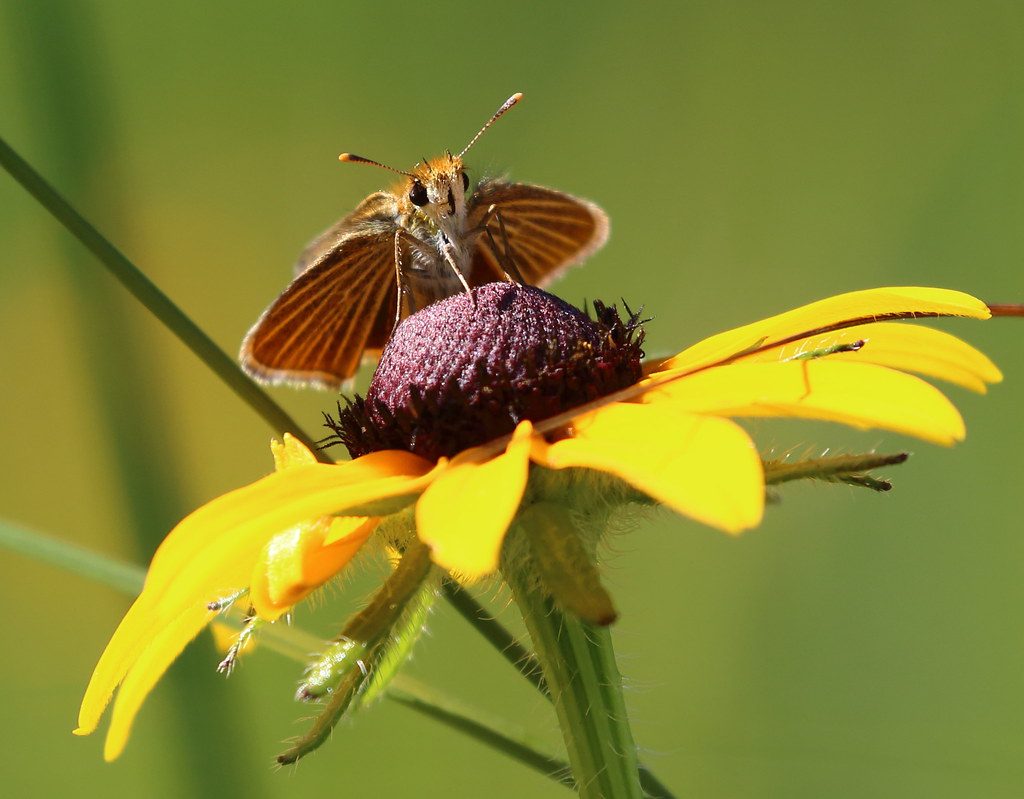
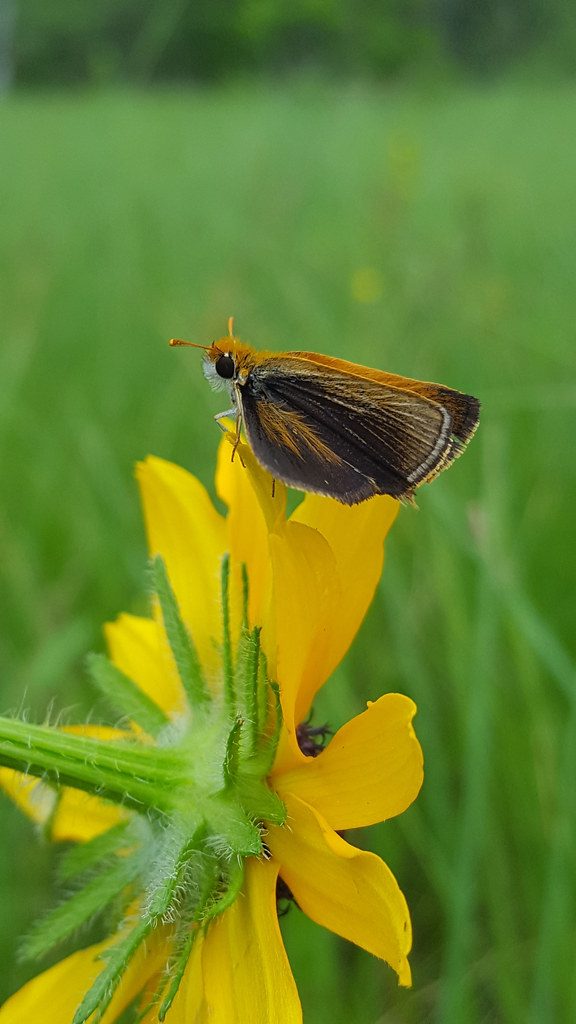
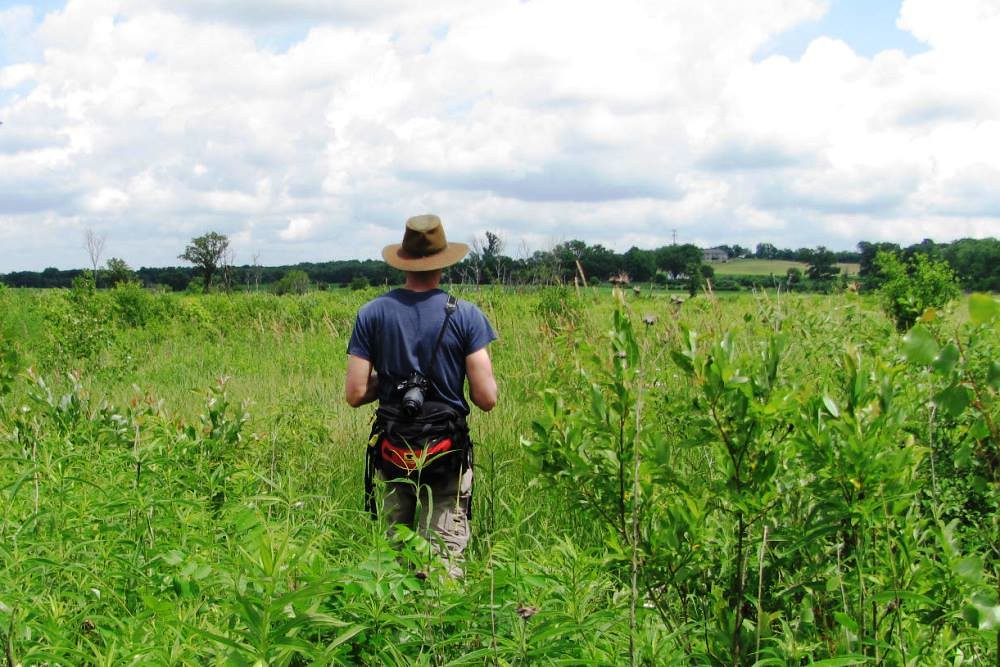
The Poweshiek skipperling butterfly was down to nine known individuals in the United States in 2022. After captive breeding programs released more than 1,300 butterflies in 2025, surveyors this summer counted over 100 on a single walk at Michigan restoration sites.

The recovery pairs zoo-based breeding with restoration of the prairie fen wetlands the butterflies need. The urgent question is whether released butterflies can breed and persist on their own, a milestone that could eventually lead to removing the species from the endangered list.

Why it matters

If this recovery holds, it establishes a playbook for rescuing endangered pollinators from the edge of extinction.

Questions about this story

Free account needed to ask — your question is kept and asked for you right after sign-up. Answers are public.

No questions yet — be the first to ask.

Key Indicators

9
Known wild Poweshiek skipperlings in US (2022)
All in one prairie fen complex in Oakland County, Michigan.
1,300+
Captive-reared butterflies released (2025)
Up from 102 released in 2022.
4,500+
Eggs produced by 48 breeding pairs in captivity
Grown from 2 pairs producing 32 fertilized eggs in 2020.
100+
Butterflies seen on a single 2026 survey
Counted at one restoration site in southeast Michigan.
1,500
Zoo-reared butterflies targeted for release in 2026
Includes 675 at a restored Jackson County fen, the first US reintroduction to a site where the species had vanished.

Voices

Curated perspectives — historical figures and your fellow readers.

Ever wondered what historical figures would say about today's headlines?

Sign up to generate historical perspectives on this story.

People Involved

Organizations Involved

Timeline

2000-20 September 2026

12 events Latest: 2 days ago Showing 8 of 12
Tap a bar to jump to that date
  1. Recovery confirmed as hundreds seen at restoration sites

    Latest Status update

    Surveyors count over 100 butterflies on single walks at Michigan restoration sites; recovery widely reported.

  2. Captive-breeding program expands to Mitchell's satyr and Karner blue

    Expansion

    John Ball Zoo's Great Lakes Rare Butterfly Program released captive-reared Mitchell's satyrs at Fort Custer Training Center and Karner blues into native habitats this summer, applying the Poweshiek method to two more endangered butterflies.

  3. Wild populations exceed captive counts

    Milestone

    For the first time, more skipperlings fly in the wild than in captivity. Researchers skip augmenting the Oakland County stronghold.

  4. First releases outside Oakland County since recovery began

    Expansion

    675 butterflies released into a restored fen in Jackson County; FWS plans ~1,500 total for summer.

  5. More than 1,300 butterflies released

    Release

    Captive program reaches scale; wild populations begin showing signs of recovery.

  6. 500 butterflies released in restored fen

    Release

    Reintroduction to an Oakland County site where invasive glossy buckthorn was removed.

  7. Only 9 butterflies found in US; 102 released

    Crisis point

    Surveys count nine wild skipperlings in the entire country. First 102 captive-reared butterflies released.

  8. MSU and John Ball Zoo join recovery effort

    Partnership

    University and Grand Rapids zoo partner to expand breeding and field monitoring.

  9. Two breeding pairs produce 32 eggs

    Breeding milestone

    Captive program proves breeding is possible, laying groundwork for scale-up.

  10. Minnesota Zoo begins captive rearing

    Program launch

    First attempts to raise the species in human care begin as wild populations collapse.

  11. Federally listed as endangered

    Regulatory

    US Fish and Wildlife Service lists Poweshiek skipperling under the Endangered Species Act.

  12. Poweshiek skipperling vanishes across Midwest prairies

    Decline

    Species once common from Iowa and the Dakotas to Michigan and southern Canada begins rapid crash.

Scenarios

1

Skipperlings establish self-sustaining wild populations

Possible Resolves by Q2 2028

Discussed by: US Fish and Wildlife Service recovery plan, MSU researchers

If butterflies released in 2024 through 2026 survive winter, mate, and produce offspring that also survive, Michigan restoration sites could hold wild populations without annual infusions of zoo-reared butterflies. That would trigger the next phase of the recovery plan and strengthen the case for eventual downlisting from endangered status.

2

Recovery continues but stays dependent on captive breeding

Likely Resolves by End of 2027

Discussed by: FWS recovery plan, which anticipates long-term augmentation

Populations at restoration sites hold or grow only because zoos keep releasing reared butterflies each summer. The program continues as is, with wild counts rising but remaining tied to annual captive-rearing cycles. This is the outcome the recovery plan explicitly budgets for in its 50-year delisting timeline.

3

Recovery setback from habitat or pesticide pressures

Possible Resolves by Q3 2027

Discussed by: Michigan Public, phys.org coverage citing neonicotinoid pesticide threats

Invasive species, pesticide drift, or drought damage restored prairie fens, causing released populations to crash again. Researchers would need to intensify habitat management and consider new sites. Neonicotinoid pesticides were identified as a key driver of the original decline.

Historical Context

2 moments from history that rhyme with this story — and how they unfolded.

1941-present

Whooping crane recovery (1941-present)

By 1941, hunting and habitat loss reduced whooping cranes to roughly 15-21 birds in North America, nearly all wintering at Aransas, Texas.

Then

Protected breeding grounds and federal conservation programs stabilized the flock.

Now

The wild population now exceeds 800 birds, though the species remains listed as endangered under the US Endangered Species Act.

Why this matters now

Demonstrates that long-term commitment to a small founding population can produce recovery, but full delisting can take generations.

1982-1987

California condor recovery (1982-1987)

The last 22 California condors were captured and brought into captivity in the mid-1980s. The species had declined to near-zero from habitat loss, lead poisoning, and shooting.

Then

Intensive captive breeding produced the first condor chick in 1988; releases to the wild began in 1992.

Now

Over 300 condors now fly in the wild across California, Arizona, and Mexico, though they still require ongoing management against lead poisoning.

Why this matters now

Shows captive breeding can rescue a species from a population in the single digits, but recovery takes decades and may never reach true independence.

Sources

(7)