
Pull to refresh
Logo
Fifth Circuit rules Constitution gives no right to clean drinking water

Fifth Circuit rules Constitution gives no right to clean drinking water

Rule Changes

Appeals court affirms dismissal of Jackson, Mississippi, lead-water suit; state tort claims and Safe Drinking Water Act remain open.

September 4th, 2026: En banc Fifth Circuit affirms dismissal

Overview

Updated 4 days ago

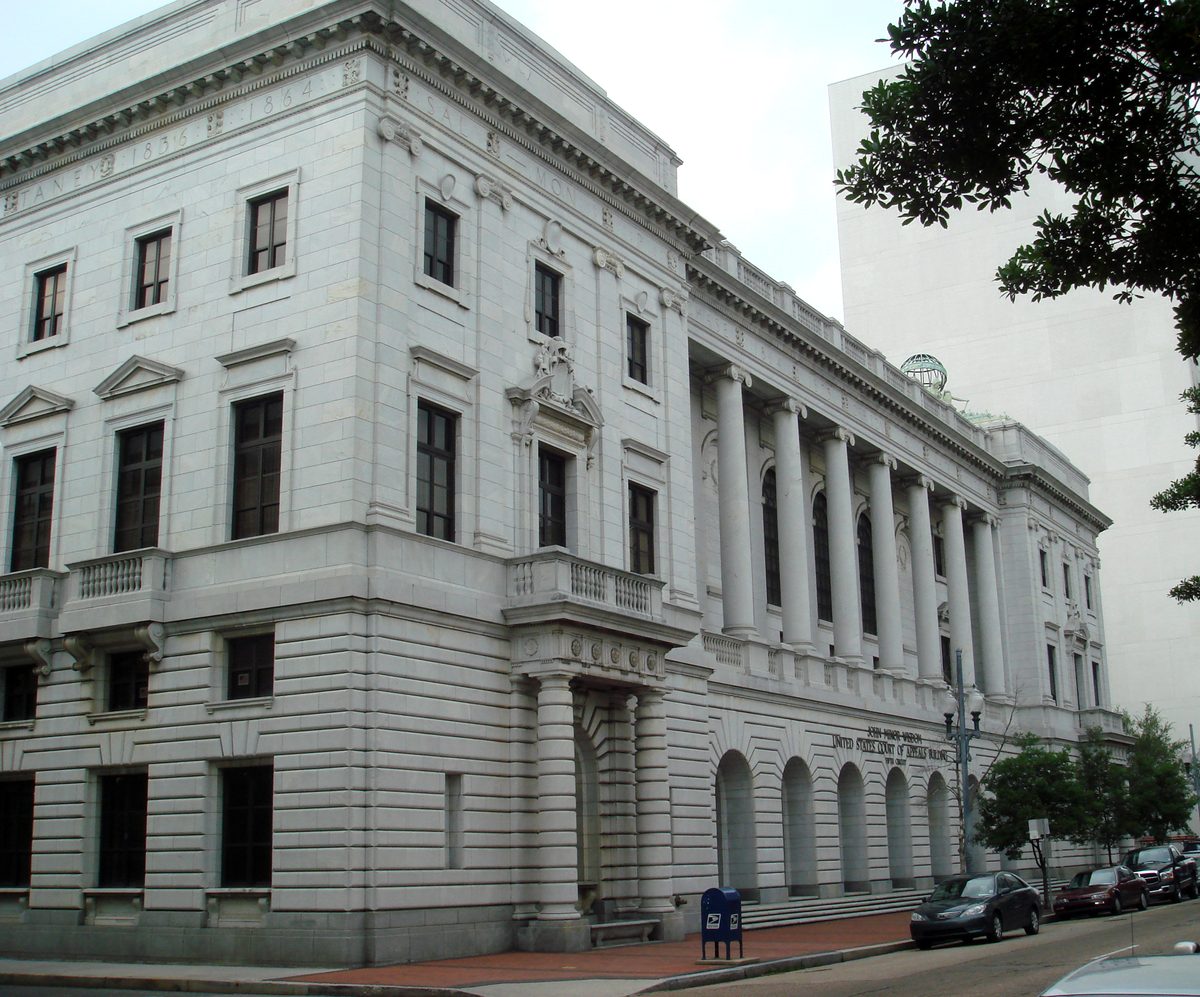
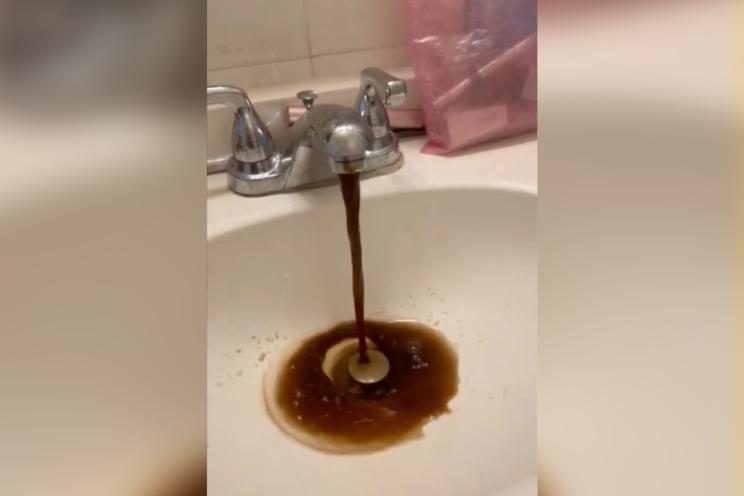
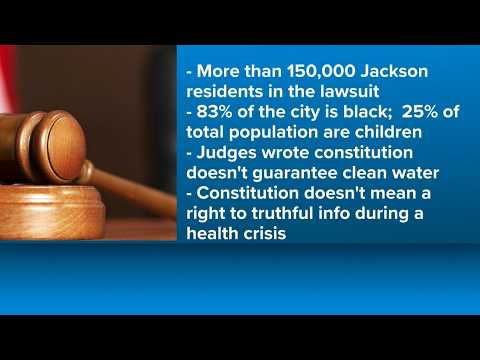
A divided federal appeals court ruled that the U.S. Constitution does not guarantee clean drinking water, or truthful reports about contamination, from public officials. The September 4, 2026 en banc decision in Sterling v. City of Jackson affirms dismissal of a lawsuit over lead in Jackson, Mississippi's municipal water supply.

The ruling binds federal courts in Texas, Louisiana, and Mississippi. It blocks Section 1983 suits, the civil-rights law used to sue officials for constitutional violations, as a path to water-contamination damages. State tort law and the Safe Drinking Water Act remain open, and the federal government has managed Jackson's water system since 2022.

Why it matters

Millions of residents in three states lose the federal civil-rights path to water-contamination damages — unless Congress or the Supreme Court steps in.

Questions about this story

Free account needed to ask — your question is kept and asked for you right after sign-up. Answers are public.

No questions yet — be the first to ask.

Key Indicators

160,000
Jackson residents who lost water access in September 2022
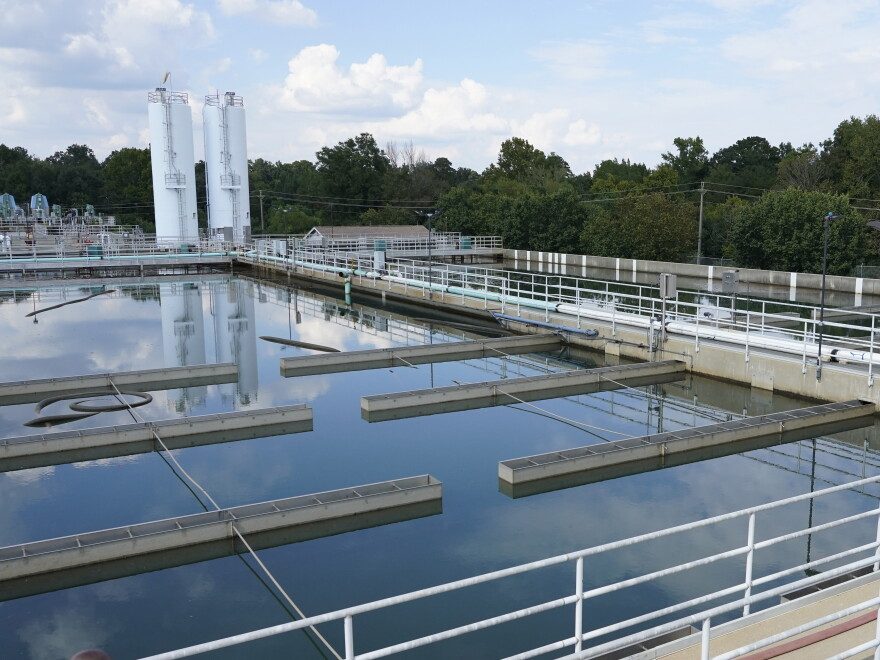
Flooding disabled the O.B. Curtis treatment plant, leaving much of the city without safe drinking water.
3
States where the ruling is binding precedent
Texas, Louisiana, and Mississippi form the Fifth Circuit's jurisdiction.
~80%
Share of Jackson residents who are Black
Demographic cited in environmental-justice analyses of the water crisis.
No. 24-60370
Case number for Sterling v. City of Jackson
Fifth Circuit docket for the lead-water appeal.

Voices

Curated perspectives — historical figures and your fellow readers.

Ever wondered what historical figures would say about today's headlines?

Sign up to generate historical perspectives on this story.

People Involved

Organizations Involved

Timeline

February 2022 September 2026

5 events Latest: September 4th, 2026 · 1 week ago
Tap a bar to jump to that date
  1. Flood knocks out water plant

    Infrastructure

    O.B. Curtis plant fails after flooding; about 160,000 residents lose safe water.

Scenarios

1

Supreme Court declines review, precedent stands

Likely Resolves by Q2 2027

Discussed by: Bloomberg Law and appellate court observers

Plaintiffs petition the full Fifth Circuit for rehearing en banc, then file a cert petition with the Supreme Court. Given the Court's substantive due-process framework from Dobbs v. Jackson Women's Health (2022), which requires new rights to be deeply rooted in history and tradition, review is unlikely. The Court has shown little appetite for recognizing new unenumerated rights.

2

Plaintiffs shift to state tort and federal statutory claims

Likely Resolves by End of 2027

Discussed by: The Fifth Circuit opinion itself and IBTimes analysis

Judge Engelhardt's opinion explicitly listed tort claims, elections, and petitions to legislatures as available remedies. Jackson residents could file negligence suits in Mississippi state courts or participate in the federal government's Safe Drinking Water Act enforcement action against the city. These claims don't require constitutional rights.

3

Congress or state legislatures create enforceable water rights

Unlikely Resolves by Q2 2028

Discussed by: Environmental-justice advocates and civil-rights organizations

The ruling could prompt federal legislation establishing a statutory right to safe drinking water with a private right of action, or Mississippi and Louisiana could pass their own laws. The Safe Drinking Water Act itself emerged from 1970s public-health crises. Such legislative action is rare but not unprecedented.

Historical Context

3 moments from history that rhyme with this story — and how they unfolded.

December 1974

Safe Drinking Water Act (1974)

Congress passed the Safe Drinking Water Act after studies linked contaminated drinking water to disease outbreaks. It set federal standards for public water systems and gave the EPA enforcement authority.

Then

Established national tap-water quality standards and EPA oversight.

Now

Now the primary federal enforcement mechanism for municipal water contamination — the path the Justice Department used against Jackson in 2022.

Why this matters now

The appellate ruling pushed residents toward statutory claims like the Safe Drinking Water Act rather than constitutional claims.

February 1989

DeShaney v. Winnebago County (1989)

The Supreme Court held 6-3 that the Due Process Clause doesn't require the state to protect individuals from harm, even when it knows they're in danger. Joshua DeShaney, a Wisconsin boy, suffered severe abuse after county child services returned him to his father's custody.

Then

DeShaney's Section 1983 claim failed; he received no damages.

Now

Set the rule that the state has no affirmative duty to protect, and that the Due Process Clause is not a general tort remedy.

Why this matters now

The Fifth Circuit cited DeShaney directly, holding that the Constitution does not provide redress for every governmental wrongdoing.

2014-2019

Flint water crisis / Guertin v. State (6th Cir. 2019)

Flint, Michigan switched its water source to the Flint River in April 2014, causing lead to leach from pipes. Residents sued after state officials downplayed contamination. In 2019, the Sixth Circuit allowed state-created danger claims against Flint officials to proceed.

Then

Flint residents obtained a path to damages through the Sixth Circuit's state-created danger doctrine.

Now

Created a circuit split: the Sixth Circuit accepts the doctrine; the Fifth Circuit has long declined to adopt it.

Why this matters now

The Fifth Circuit explicitly declined to follow Guertin, noting its own circuit "stands practically alone" among appellate courts in not adopting the state-created danger doctrine.

Sources

(12)