


Pull to refresh
Logo
World's oldest shipwreck found off Turkey's Kekova Island

World's oldest shipwreck found off Turkey's Kekova Island

New Capabilities

Early Bronze Age vessel dated to 4,400-4,700 years old, around the time the Great Pyramid was built

Overview

Updated Oct 18

Archaeologists call the shipwreck found off Turkey's Kekova Island the world's oldest. It dates to between 4,400 and 4,700 years ago, the Early Bronze Age, around the time the Great Pyramid was built.

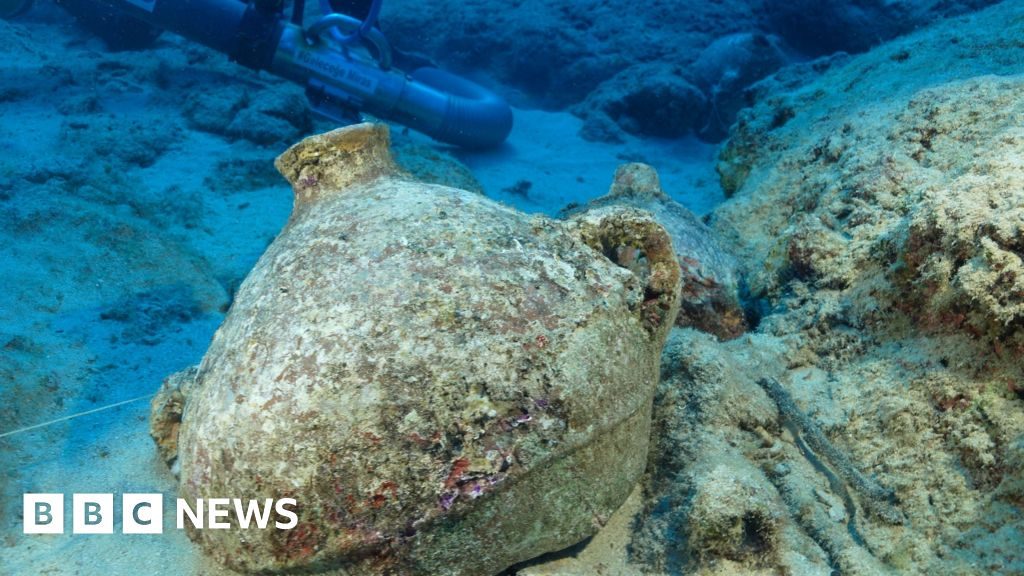
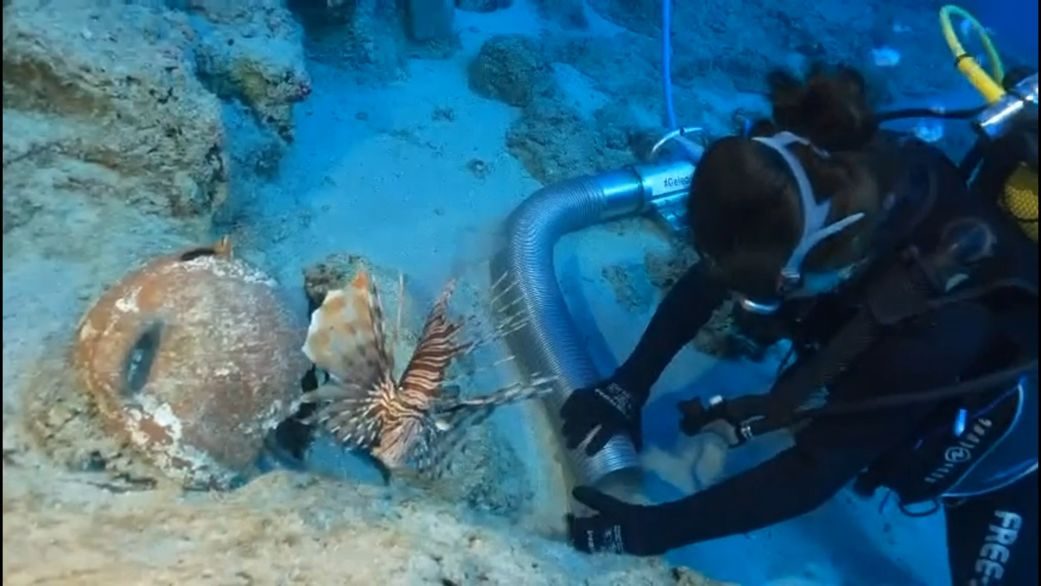
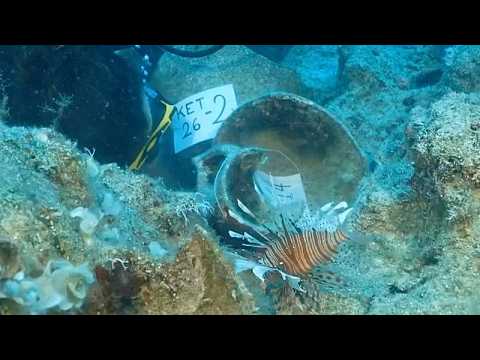
The wooden hull is gone, likely eaten by the wood-boring mollusk Teredo navalis. More than 30 ceramic jars and three stone anchors survive. The culture ministry says clay analysis points to workshops in the Jordan Valley, and researchers are testing residue inside the jars to identify the cargo.

Why it matters

The wreck pushes back the known history of Mediterranean seaborne trade and may reveal what goods moved between ancient Egypt, the Levant, and Anatolia.

Questions about this story

Free account needed to ask — your question is kept and asked for you right after sign-up. Answers are public.

No questions yet — be the first to ask.

Key Indicators

4,400-4,700 years
Estimated age of the wreck
Dated to the Early Bronze Age by comparing amphorae shapes with pottery from Egypt and the Middle East.
30+
Ceramic storage jars (amphorae) found
The jars survived on the sea floor after the wooden hull rotted away.
3
Stone anchors found
Found scattered across the underwater slope near the wreck.
10m
Estimated ship length
The vessel was a trade ship carrying cargo across the Mediterranean.

Voices

Curated perspectives — historical figures and your fellow readers.

Sign up to generate historical perspectives on this story.

People Involved

Organizations Involved

Timeline

2024 October 2026

7 events Latest: October 16th, 2026 · 4 weeks ago
Tap a bar to jump to that date
  1. Researchers report hull decay cause and jar analysis

    Latest Analysis

    Öniz told The Art Newspaper a wood-boring mollusk called Teredo navalis likely consumed the wooden hull. X-ray fluorescence and X-ray diffraction analysis of the jars is underway.

  2. Turkey announces world's oldest shipwreck

    Announcement

    Culture Minister Mehmet Nuri Ersoy announced the wreck dates to 4,400-4,700 years ago, making it the oldest known shipwreck.

  3. Preliminary study published in Journal of Maritime Archaeology

    Publication

    Hakan Öniz and Ceyda Oztosun published a study suggesting the ship was travelling from east to west when it sank.

  4. Formal excavation of the wreck begins

    Excavation

    Excavations started with ministry permission, directed by the Antalya Museum with Hakan Öniz supervising.

  5. Additional jar recovered from the site

    Excavation

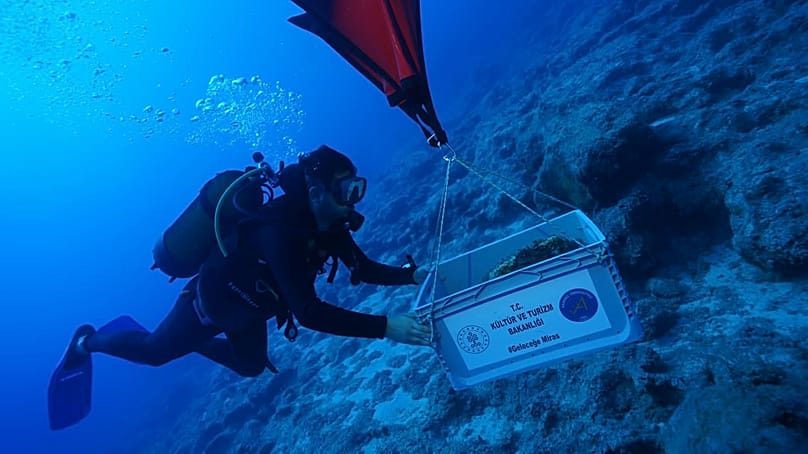
    A further amphora was brought to the surface for examination, adding to the evidence for dating the wreck.

  6. Wreck first documented during underwater survey

    Discovery

    Akdeniz University's underwater survey documented the wreck near Kekova Island, about 30 meters beneath the surface.

  7. First two amphorae recovered for examination

    Excavation

    Divers brought up two ceramic storage jars for study, beginning the process of dating the wreck.

Scenarios

1

Residue analysis reveals the ship's cargo

Possible Resolves by Q2 2027

Discussed by: BBC News, The National

Scientists are analyzing the viscous residue found inside the recovered amphorae. It could be olive oil, wine, or tree resins. The jars may have been reused over many years, so the residue could come from multiple uses. A published chemical analysis would reveal what goods moved across the Mediterranean in the Early Bronze Age.

2

Kekova wreck confirmed as oldest known shipwreck

Likely Resolves by End of 2027

Discussed by: BBC News, The National, Anatolian Archaeology

The age estimate is based on comparing amphorae shapes with pottery from Egypt and the Middle East, not radiocarbon dating, because no wood survived. Further analysis could confirm or refine the date. If confirmed, the wreck would displace the Dokos wreck in Greece, dated to around 2200 BC, as the oldest known shipwreck.

3

Kekova artefacts go on display at Antalya museum

Likely Resolves by Q2 2027

Discussed by: Turkish Ministry of Culture and Tourism

The recovered amphorae and anchors are undergoing conservation. Minister Ersoy said they will be displayed at the new Mediterranean Underwater Archaeology Museum in Antalya when it opens in the coming months. The museum would give the public their first look at the world's oldest known shipwreck.

4

Churn amphora shows sailors made food on long voyages

Possible Resolves by Q2 2027

Discussed by: Turkish Ministry of Culture and Tourism, Gizmodo

One amphora has nine distinct markings and two holes in its body. Ersoy said it may have been used as a churn to make cheese or butter, which would show whether ancient seafarers produced food during long voyages.

5

Full peer-reviewed study settles the wreck's claims

Likely Resolves by Q2 2027

Discussed by: The Daily Inference, Karin Sowada

A preliminary study by Öniz and Ceyda Öztosun appeared in the Journal of Maritime Archaeology in July 2026. Sowada says a fuller paper setting out the team's results has not yet appeared in a peer-reviewed journal. Publication would confirm the Early Bronze Age date and the Jordan Valley origin of the jars.

Historical Context

3 moments from history that rhyme with this story — and how they unfolded.

Around 2200 BC

Dokos shipwreck, Greece (~2200 BC)

Found in 1975 off the Greek island of Dokos, this wreck held a cargo of ceramic vessels dating to around 2200 BC. It was previously considered the oldest known shipwreck.

Then

The Dokos wreck became a key reference point for Early Bronze Age seaborne trade in the Aegean.

Now

It held the record as the oldest known shipwreck for decades, until the Kekova discovery.

Why this matters now

The Kekova wreck may now displace Dokos as the oldest known shipwreck, pushing back the record by up to 500 years.

Around 1300 BC

Uluburun shipwreck, Turkey (~1300 BC)

Found off Turkey's Mediterranean coast, this Late Bronze Age ship sank around 1300 BC carrying copper, tin, glass, and other commodities. It is one of the richest ancient wrecks ever found.

Then

The Uluburun wreck transformed understanding of Late Bronze Age trade networks across the Mediterranean.

Now

It remains a benchmark for studying ancient Mediterranean commerce and exchange.

Why this matters now

The Kekova wreck is much older and may show that long-distance trade was already established in the Early Bronze Age, centuries before Uluburun.

Around 400 BC

Black Sea shipwreck, Bulgaria (~400 BC)

Found in the Black Sea off Bulgaria, this wreck dates to about 2,400 years ago. Its wooden structure is still preserved because the deep, oxygen-free water prevented decay.

Then

The Black Sea wreck showed that intact ancient ships could survive in the right conditions.

Now

It remains the oldest intact shipwreck ever found, with its hull fully preserved.

Why this matters now

Unlike the Kekova wreck, whose wood rotted away, the Black Sea ship preserved its hull, offering a different kind of archaeological record of ancient seafaring.

Sources

(11)