
Pull to refresh
Logo
Daily Brief
Following
Why Ranks Sign Up
Voice of America goes dark for a year, then a Reagan-appointed judge orders it back on the air

Voice of America goes dark for a year, then a Reagan-appointed judge orders it back on the air

Rule Changes

Federal court voids Kari Lake's dismantling of the 84-year-old broadcaster and orders 1,042 employees reinstated

March 18th, 2026: Court orders reinstatement of 1,042 employees

Overview

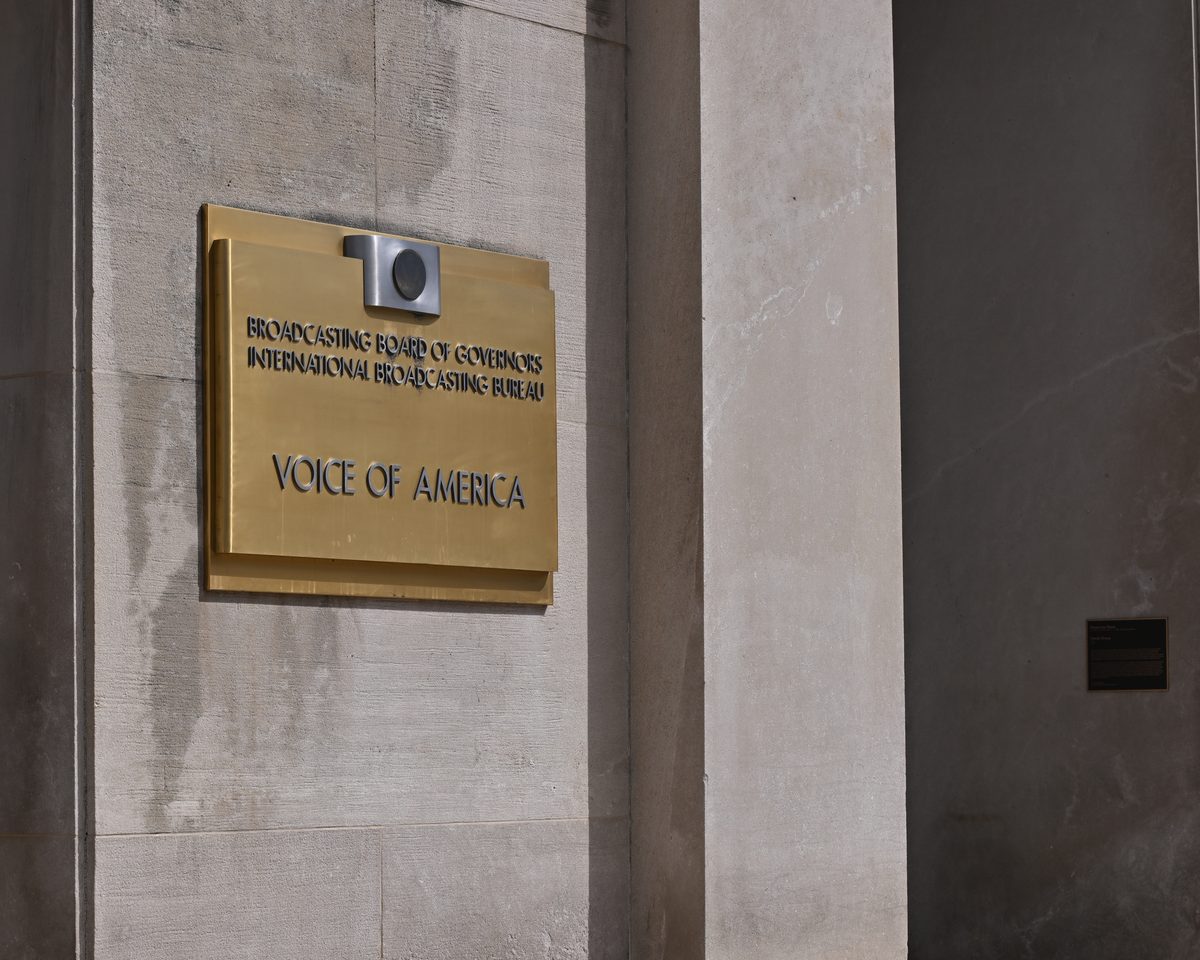
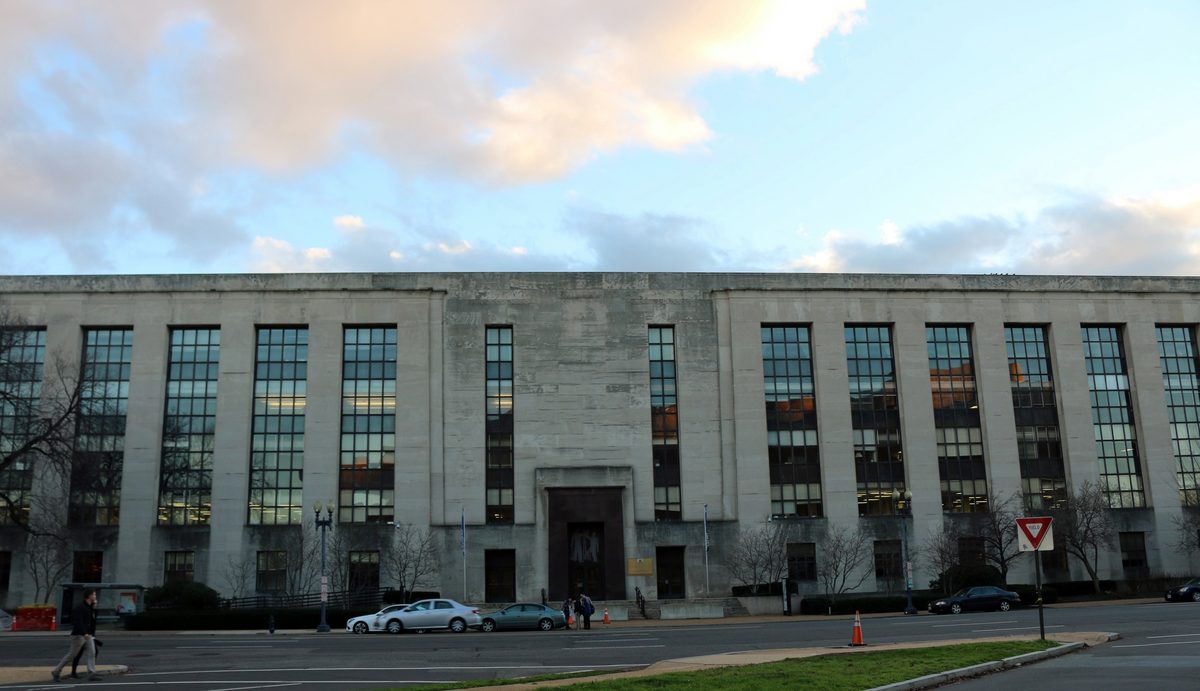
Voice of America broadcast continuously for more than 80 years through the Cold War, the Berlin Wall's fall, and two Iraq wars. In March 2025, the Trump administration placed virtually its entire workforce on leave, froze its website, and defunded every U.S.-backed international broadcaster, shutting down VOA for the first time in its history. One year later, Judge Royce Lamberth, a Ronald Reagan appointee, ordered 1,042 employees reinstated and broadcasting restored by March 23. He ruled that the administration had "provided nothing approaching a principled basis" for the shutdown and that the official who carried it out, Kari Lake, was never lawfully appointed.

The ruling is the sharpest judicial rebuke yet in the VOA fight, but whether it sticks depends on what happens next. The administration has already signaled it will appeal, and Lamberth himself noted "concerning disrespect" for his earlier orders. The vacuum from a year's silence wasn't empty: Russian and Chinese state media expanded into regions VOA once served, opening bureaus and partnerships across sub-Saharan Africa and Southeast Asia. Congress funded the agency at $643 million for the current fiscal year (more than four times what the administration requested), but money alone cannot rebuild the trust and partnerships that took decades to establish.

Questions about this story

No questions yet — be the first to ask.

Key Indicators

1,042
Employees ordered reinstated
Nearly the entire VOA workforce, placed on paid leave for a full year
80+
Years of continuous broadcasting broken
VOA had broadcast without interruption since its founding in 1942
$643M
Congressional funding for USAGM
More than four times the $153 million the administration requested
~50
Languages affected
VOA broadcast in nearly 50 languages to hundreds of millions of listeners worldwide
1,000+
African partner stations lost VOA content
Community radio stations across sub-Saharan Africa lost programming in local languages

Voices

Curated perspectives — historical figures and your fellow readers.

Ever wondered what historical figures would say about today's headlines?

Sign up to generate historical perspectives on this story.

Play

Exploring all sides of a story is often best achieved with Play.

Log in to play. Track your picks, climb the leaderboards. Log in Sign Up
Predict 4 ways this could play out. Contrarian picks score more — points lock when the scenario resolves. Log in to play
Timeline Five events from this story — drag them oldest to newest. Log in to play
Connections Sixteen names from the news. Find the four hidden groups of four. Log in to play

People Involved

Organizations Involved

Timeline

January 2025 March 2026

14 events Latest: March 18th, 2026 · 4 months ago Showing 8 of 14
Tap a bar to jump to that date
  1. Trump signs the USAGM funding bill

    Legislative

    The president signed the appropriations bill despite his own executive order seeking to dismantle the agency it funded.

  2. Congress funds USAGM at $643 million

    Legislative

    A bipartisan spending bill allocated more than four times what the administration requested, with oversight provisions requiring quarterly briefings and 15-day notice before broadcast changes.

  3. Radio Free Asia halts all news operations

    Shutdown

    After months of cuts, Radio Free Asia — which covered authoritarian regimes in Asia — stopped publishing entirely.

  4. Administration moves to fire remaining staff

    Shutdown

    Lake announced termination of nearly all remaining employees, the final step in the effort to fully dismantle VOA.

  5. Layoff notices sent to 639 employees

    Shutdown

    The administration notified 639 VOA and USAGM employees of their termination, completing an 85% reduction in total agency staff.

  6. VOA goes dark: entire workforce placed on leave

    Shutdown

    All 1,042 full-time employees were placed on paid administrative leave. The VOA website was frozen. Grants to Radio Free Europe/Radio Liberty, Radio Free Asia, and other broadcasters were terminated. For the first time in 80+ years, VOA stopped publishing.

  7. Trump signs executive order to dismantle USAGM

    Executive Action

    The order directed USAGM and other agencies to be reduced to "the minimum presence and function required by law."

  8. Kari Lake sworn in as USAGM special adviser

    Personnel

    Lake began her role at USAGM as a special adviser, bypassing the Senate confirmation process.

  9. USAGM CEO Amanda Bennett resigns

    Personnel

    Bennett's departure created the vacancy that the administration later filled with Kari Lake — an appointment a court would eventually rule unlawful.

Historical Context

3 moments from history that rhyme with this story — and how they unfolded.

1968-1971

Nixon considers closing Radio Liberty (1968-1971)

Newly inaugurated President Nixon signaled his intention to shut down Radio Liberty, the U.S.-funded broadcaster targeting Soviet audiences, ostensibly for budgetary reasons. National Security Adviser Henry Kissinger recommended funding it for only eight months while exploring whether the Soviet Union would offer diplomatic concessions in exchange for its closure. The CIA conducted a comprehensive analysis of the broadcaster's value.

Then

No Soviet quid pro quo materialized, and Kissinger's team concluded the broadcaster was too valuable to sacrifice. Radio Liberty continued operating.

Now

Radio Liberty and its sister network Radio Free Europe survived Nixon and went on to play a significant role in the information landscape leading to the Soviet Union's collapse. They continue operating today as Radio Free Europe/Radio Liberty.

Why this matters now

The closest prior presidential attempt to shut down U.S. international broadcasting — but Nixon never actually pulled the trigger, and he never attempted to dismantle VOA itself. The Trump administration went further than any predecessor by actually taking the network off the air.

August 1981

Reagan fires PATCO air traffic controllers (1981)

President Reagan fired 11,345 striking air traffic controllers and banned them from federal employment for life after they violated a no-strike clause. The Professional Air Traffic Controllers Organization (PATCO) had walked out seeking better pay and working conditions. Reagan gave them 48 hours to return; most did not.

Then

Military controllers and supervisors kept planes flying. It took nearly a decade to fully rebuild the controller workforce to pre-strike levels.

Now

The PATCO firing became the defining precedent for presidential power over the federal workforce. It signaled that mass termination of federal employees was politically survivable.

Why this matters now

The VOA case tests the limits of the PATCO precedent: can the executive branch mass-terminate federal employees not for striking, but simply to eliminate an agency Congress has funded and mandated? The court said no — the legal basis matters.

January 2011

BBC World Service funding cuts (2011)

The British government cut the BBC World Service budget by 16%, forcing closure of five language services and reduction of several others. The cuts eliminated broadcasts in languages including Caribbean English, Macedonian, Albanian, and Serbian, affecting an estimated 30 million listeners.

Then

Audiences in affected regions lost access to independent English-language news. Several closed services were never restored.

Now

By 2016, the UK government reversed course, announcing £289 million in new funding and launching 11 new language services, having recognized the strategic cost of reduced international broadcasting.

Why this matters now

Demonstrates the pattern: cutting international broadcasting saves relatively little money but creates disproportionate soft-power losses. The UK's reversal came after recognizing that Russian and Chinese state media had filled the gap — the same dynamic now playing out with VOA.

Sources

(16)