
Pull to refresh
Logo
US bans Canadian alcohol, dairy, and motorcycles as trade war deepens

US bans Canadian alcohol, dairy, and motorcycles as trade war deepens

Rule Changes

Import bans start Sept. 29; White House removes $50B in Canadian goods from federal schedules

3 days ago: Bans reported worldwide

Overview

Updated 2 days ago

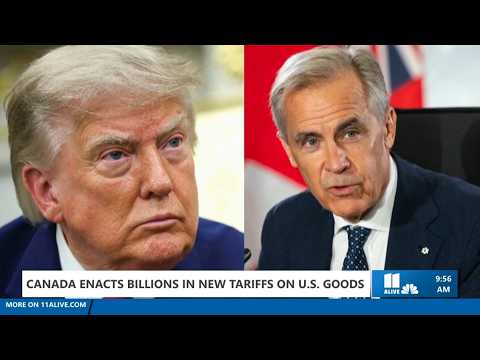
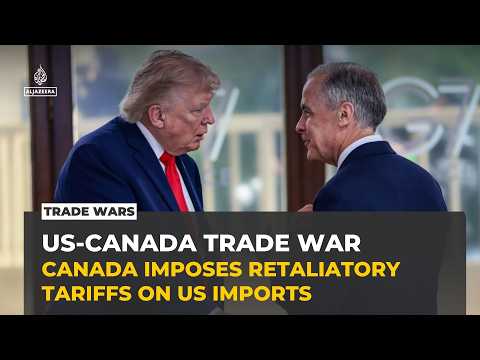
American stores will lose Canadian beer, wine, whisky, and dairy products starting Sept. 29. The United States announced the import bans Sept. 8, hours after Canada's retaliatory tariffs on $20 billion of US goods took effect.

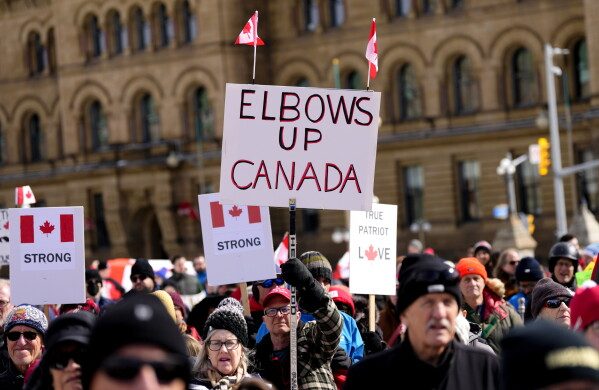
The fight escalated Aug. 22, when Washington levied 50% tariffs on $20 billion of Canadian dairy, alcohol, and autos. Canadian provinces have pulled US liquor from shelves, and Export Development Canada estimates the new bans could hit $778 million in Canadian exports. The White House has also ordered $50 billion of Canadian goods removed from federal purchasing schedules.

Why it matters

The dispute threatens the USMCA pact underpinning North American trade, and US shelves face losing Canadian beer, wine, and spirits.

Questions about this story

Free account needed to ask — your question is kept and asked for you right after sign-up. Answers are public.

No questions yet — be the first to ask.

Key Indicators

$778M
Canadian exports hit by US import bans
Export Development Canada's estimate of Canadian exports subject to the Sept. 29 import bans.

Voices

Curated perspectives — historical figures and your fellow readers.

Ever wondered what historical figures would say about today's headlines?

Sign up to generate historical perspectives on this story.

People Involved

Organizations Involved

Timeline

July 2026 January 2027

10 events Latest: 3 days ago
Tap a bar to jump to that date
  1. Auto tariff deadline

    Upcoming Deadline

    50% tariff on all Canadian automotive imports lands if no deal.

  2. Import bans take effect

    Upcoming Trade action

    Import bans on Canadian alcohol, dairy, motorcycles take effect.

  3. Extra tariffs on cheese, steel, aluminum

    Upcoming Trade action

    New 50% tariffs on Canadian cheese, steel, aluminum, and other goods including mattresses and motorboats.

  4. Bans reported worldwide

    Latest News

    Media report the US bans on Canadian alcohol, dairy, motorcycles.

  5. EDC estimates $778M in Canadian exports at risk from bans

    Economic impact

    Export Development Canada estimates the Sept. 29 import bans could hit $778 million in Canadian exports. The US market accounts for 70-95% of sales in the affected industries.

  6. Canada's retaliation and US bans announced

    Trade action

    Canada's retaliatory tariffs take effect; Trump signs import ban proclamations.

  7. USTR says Canada walked away from near-final deal

    Official statement

    Ambassador Jamieson Greer says Canada 'walked away from a near-final trade deal.' Trump directs removal of $50B in Canadian goods from federal purchasing schedules.

  8. Tariff list revised; cement and road salt dropped

    Trade action

    Administration removes tariffs on cement, road salt, hospital pads, toilet paper, and fishing rod parts. Duties added on ATVs, some cheeses, and motor boats.

  9. US levies 50% tariffs on Canadian imports

    Trade action

    US levies 50% tariffs on $20B of Canadian dairy, alcohol, autos.

  10. Section 338 orders target Canadian autos, alcohol, dairy

    Trade action

    Trump signs orders under the 1930 Tariff Act covering Canadian motor vehicles, alcoholic beverages, and dairy. The Sept. 8 actions modify these orders.

Scenarios

1

US and Canada reach deal; Sept. 29 bans rescinded

Possible Resolves by Sep 29, 2026

Discussed by: CBS News; Reuters; senior Trump administration officials

Negotiators from both governments reach a deal before Sept. 29, and Trump rescinds or delays the import bans. Senior administration officials said Canada has expressed interest in an "alternative pathway," and the White House says talks remain open. A deal would echo the 2018 NAFTA renegotiation, which ended in an 11th-hour agreement.

2

Bans take effect; Canada hits back with new tariffs

Likely Resolves by Oct 31, 2026

Discussed by: AP via Newser; The Guardian; Reuters

The Sept. 29 bans take effect as scheduled. Canada responds with fresh retaliatory measures beyond the current $20 billion in tariffs, targeting politically sensitive US industries such as autos or agriculture. Provincial liquor boycotts continue, keeping pressure on American producers through the US midterm election campaign.

3

Auto tariffs land; USMCA dispute heads to arbitration

Possible Resolves by Jan 1, 2027

Discussed by: France 24; trade analysts; Reuters

The dispute hardens into a durable tariff regime. Trump's threatened 50% auto industry tariff lands Jan. 1, 2027, or either country launches a formal USMCA dispute or files a withdrawal notice. Analysts quoted by France 24 warn this could destabilize the pact that has underpinned North American commerce for decades.

4

Bans hit Canadian exporters; Ottawa seeks relief

Likely Resolves by End of 2026

Discussed by: Export Development Canada; Global News

The Sept. 29 bans remove $778 million in Canadian exports from the US market. Export Development Canada warns that firms in affected industries send 70-95% of their sales to the US. Those firms face severe disruption even though the aggregate GDP impact is modest.

Historical Context

3 moments from history that rhyme with this story — and how they unfolded.

June 1930

Smoot-Hawley Tariff Act (1930)

Congress raised US tariffs on nearly 900 imported goods in June 1930. Trading partners retaliated with their own duties, and US exports fell by roughly half within two years.

Then

World trade collapsed, deepening the Great Depression. More than 25 countries responded with counter-tariffs.

Now

The episode discredited protectionist tariffs for decades and helped build postwar support for trade agreements like the General Agreement on Tariffs and Trade.

Why this matters now

Shows how tit-for-tat tariff escalation between trading partners can spiral into broad economic damage.

2017-2018

NAFTA renegotiation (2018)

Trump threatened 25% tariffs on Canadian and Mexican autos and said he would withdraw from NAFTA. Months of talks produced the USMCA in late 2018, replacing the 1994 pact.

Then

A deal was reached, no auto tariffs applied, and USMCA took effect in 2020.

Now

USMCA added dispute panels and a six-year review clause, institutionalizing the agreement.

Why this matters now

Offers a precedent for a last-minute deal: the two governments have negotiated trade crises before.

1980s-present

Softwood lumber dispute (ongoing)

The US has repeatedly imposed duties on Canadian softwood lumber since the 1980s. Canada has launched disputes at arbitration panels and retaliated with tariffs.

Then

Panels have repeatedly ruled against US duties, but the US has re-imposed them under new trade laws.

Now

No permanent solution has emerged; the dispute became a standing feature of US-Canada trade relations.

Why this matters now

Demonstrates that US-Canada trade disputes can persist indefinitely even under free-trade agreements.

Sources

(20)