

UK Feed-in Tariff boom and bust (2010-2019)
The UK launched a Feed-in Tariff in April 2010, paying up to 41.3 pence per kilowatt-hour for solar electricity. Installations surged from near zero to over 800,000 systems within five years, building roughly 5 gigawatts of capacity. But repeated tariff cuts from 2011 onward created boom-and-bust cycles, and the scheme closed entirely in March 2019.
The residential solar market contracted sharply after the tariff closed, with installation rates dropping as the financial case for rooftop panels weakened without subsidies.
The episode demonstrated that UK consumers will adopt solar at scale when the economics work, but also that policy instability can collapse a market. Nearly two million homes now have panels, almost all installed during or shortly after the Feed-in Tariff era.
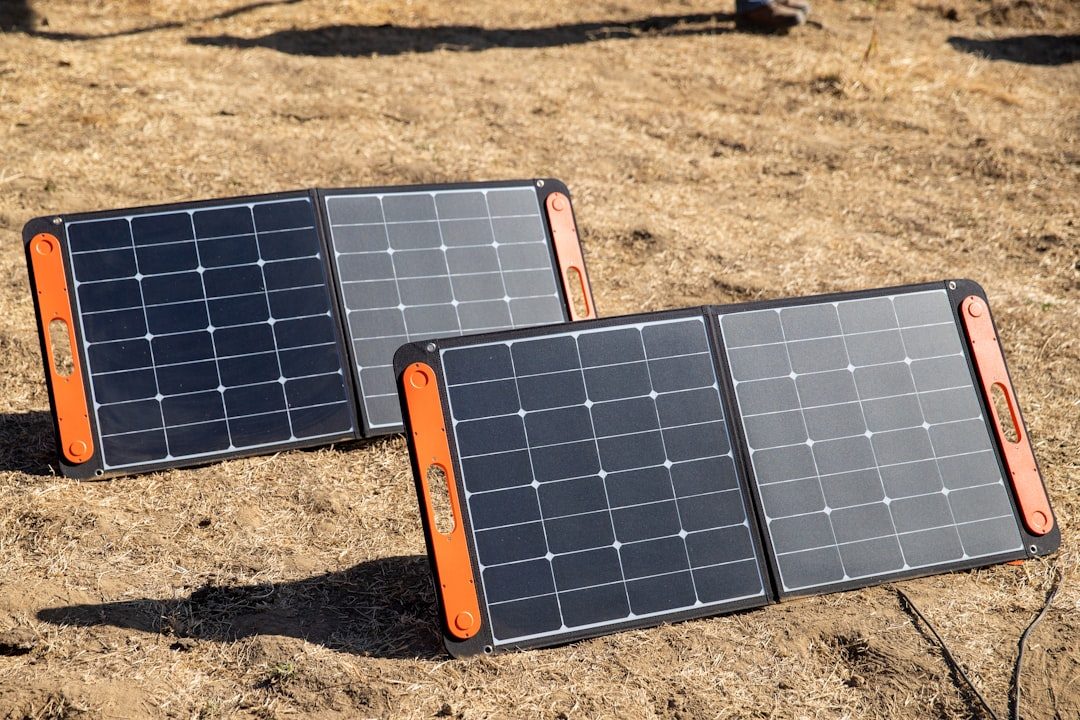
Plug-in solar represents a fundamentally different approach: no subsidy, no installer required, no roof needed. If it works, it avoids the Feed-in Tariff's dependency on government payments. But the historical lesson is that timing and sustained support determine whether a solar policy creates lasting change or a temporary spike.