
Pull to refresh
Logo
UK bans airline fees for seating children with parents

UK bans airline fees for seating children with parents

Rule Changes

UK announces ban on airline fees for seating children with parents; law pending

Overview

Updated Oct 11

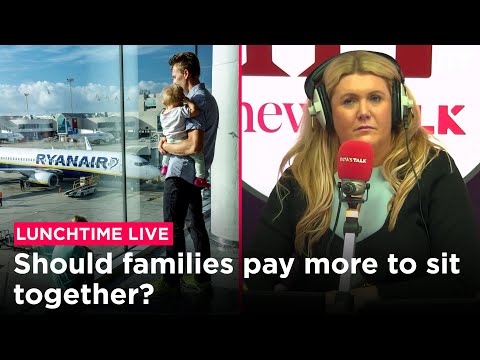
The UK government announced on 2 October 2026 that airlines must seat children under 14 with a parent free of charge and stop charging for simple name corrections. The rules are not yet in force. They depend on the Civil Aviation Bill, which begins committee stage on 20 October 2026.

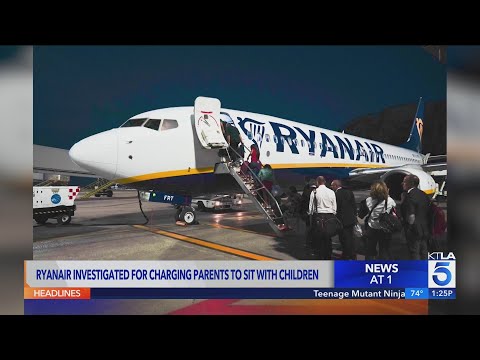
The announcement followed a seven-year campaign by consumer group Which? and a Competition and Markets Authority probe. The government aims for implementation before the 2027 summer holidays, but no start date has been confirmed.

Why it matters

Families flying from the UK no longer pay up to £104 per return trip to sit beside their children, and minor booking mistakes no longer cost up to £40.

Questions about this story

Free account needed to ask — your question is kept and asked for you right after sign-up. Answers are public.

No questions yet — be the first to ask.

Key Indicators

£104
Max previous family-seating fee, return journey
A parent and child could previously be charged up to £104 to book adjacent seats.
£40
Max previous name-correction fee
Some airlines charged up to £40 to fix a simple spelling error on a booking.
14
Age cutoff for free seating
Free adjacent seating applies to children under 14 travelling with a parent or accompanying adult.
1,000+
Serious disruptive passenger incidents in 2025
Government data cited in the announcement, including a mid-air brawl that forced a diversion.

Voices

Curated perspectives — historical figures and your fellow readers.

Sign up to generate historical perspectives on this story.

People Involved

Organizations Involved

Timeline

January 2019 October 2026

8 events Latest: October 2nd, 2026 · 1 month ago
Tap a bar to jump to that date
  1. UK announces airline fee ban

    Latest Rule Change

    Government confirms airlines must seat children under 14 beside parents free and scrap name-correction fees.

  2. GOV.UK removes implementation date from announcement

    Correction

    The Department for Transport retracted the published start date, clarifying that the ban cannot take effect until the Civil Aviation Bill receives Royal Assent.

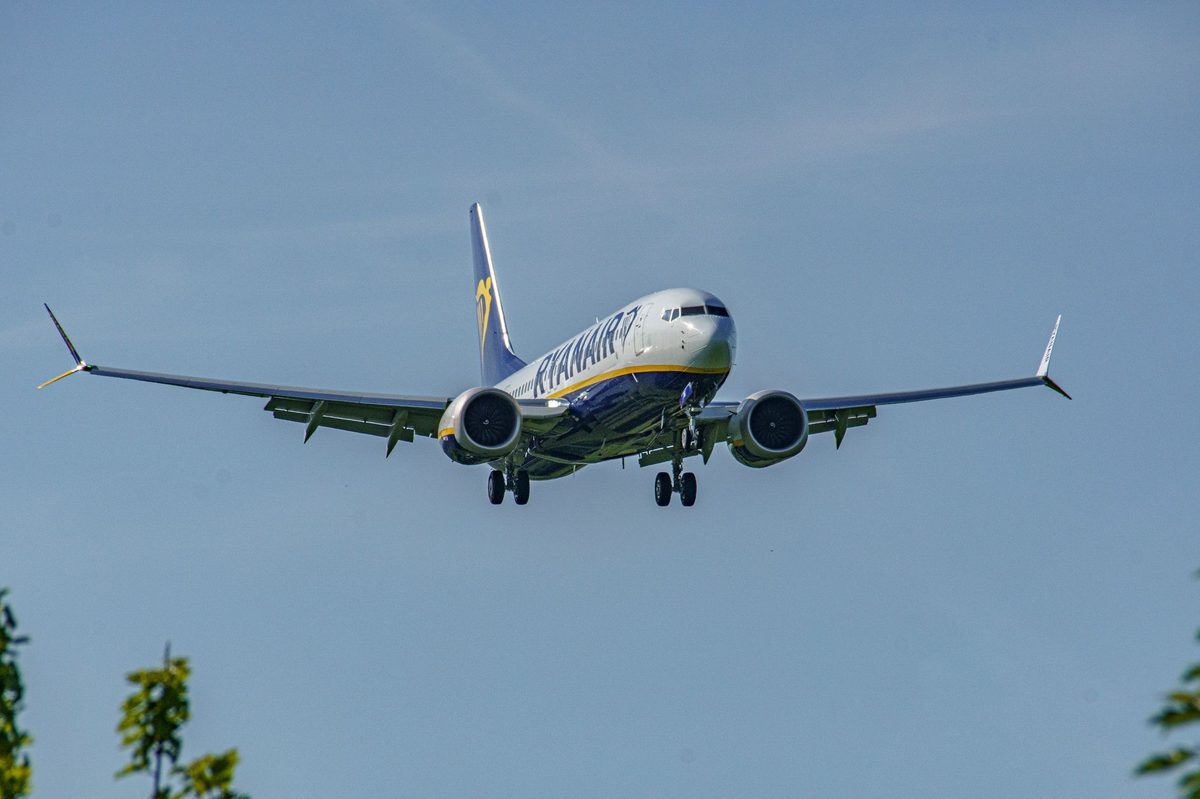
  3. Ryanair CEO disputes fee ban

    Statement

    Michael O'Leary called the announcement 'typical political spin' and said Ryanair already offers a 24-hour grace period for name corrections.

  4. Civil aviation bill debated in parliament

    Legislation

    The consumer protection and regulatory reform bill proceeds through the Commons.

  5. Ryanair changes family-seating policy

    Policy Change

    Carrier reluctantly drops the practice after the CMA referral.

  6. Which? refers Ryanair to CMA

    Regulatory

    Consumer group escalates its complaint against Ryanair's practice to the competition regulator.

  7. Ryanair defends family-seating policy

    Statement

    Carrier denies charging parents, says child seats are free when a parent reserves at €4.

  8. Which? launches family-seating fee campaign

    Campaign

    Consumer group begins challenging airlines over fees, citing safety risks of separating families.

Scenarios

1

Civil Aviation Bill passes; ban in force before summer 2027

Likely Resolves by Q2 2027

Discussed by: Government, Which?, the Guardian

The Civil Aviation Bill gains Royal Assent, and the Civil Aviation Authority begins enforcing the ban. Airlines must seat children under 14 beside parents free, and simple name corrections become free across all carriers operating in the UK.

2

Airlines shift costs through wider seat-selection fees

Possible Resolves by End of 2027

Discussed by: Industry analysts, European Pulse

Carriers comply with the letter of the ban but raise revenue by charging all passengers for seat selection, or by reclassifying family seats under a separate paid product. Which? or the CMA opens a fresh investigation into whether the new fees effectively recreate the old charge.

3

EU extends free-seating protections to more passengers

Possible Resolves by Q2 2028

Discussed by: European Pulse, Euronews

The EU's forthcoming air passenger rules take effect, requiring airlines to seat children under 14, pregnant passengers, and travellers with disabilities or reduced mobility beside companions free of charge, and banning fees for printed boarding passes at check-in.

4

Civil Aviation Bill delayed beyond summer 2027

Possible Resolves by Sep 1, 2027

Discussed by: Parliamentary schedule, industry analysts

The bill's committee stage starts 20 October 2026, but secondary regulations require public consultation within 12 months of enactment. If the bill stalls, the ban could slip past the government's summer 2027 target.

Historical Context

2 moments from history that rhyme with this story — and how they unfolded.

May 2023

US DOT family-seating rule (2023)

The US Department of Transportation proposed a rule banning airlines from charging extra fees for families with children under 13 to sit together. The White House simultaneously pressed major carriers to commit voluntarily to free family seating.

Then

Several US airlines adopted free family-seating policies ahead of the rule taking effect.

Now

The rule became part of a broader US push against airline 'junk fees', including the 2024 cancellation-fee transparency requirements.

Why this matters now

The UK ban follows the same logic as the US rule: regulators treating family separation as both a fairness issue and a safety risk.

June 2017

EU ends mobile roaming charges (2017)

The European Union abolished roaming surcharges for mobile phone users travelling within the bloc, ending fees that had added tens of euros to ordinary holiday phone bills.

Then

Roaming fees disappeared on the effective date, with carriers absorbing the revenue loss across their networks.

Now

The roaming ban became the model for EU action on recurring 'hidden' travel charges, and the template for today's air passenger rights expansion.

Why this matters now

It shows how a regulator-driven ban on a familiar, widely resented travel fee can take effect quickly once political will aligns — and that carriers find ways to absorb the cost rather than kill the service.

Sources

(11)