


Netflix DVD-to-streaming pivot (2007–2013)
Netflix added streaming to its DVD-by-mail business in 2007, then spent six years deliberately shifting subscribers, content licensing, and capital toward the new medium. The 2011 Qwikster split-up briefly cost it customers, but by 2013 the company was producing original streaming content (House of Cards) and the DVD business was a runoff line item.
Subscriber count and stock price both took hits during the most aggressive phase of the transition.
Netflix established itself as the dominant streaming platform years before competitors got serious, capturing a market it would have lost if it had clung to DVDs.
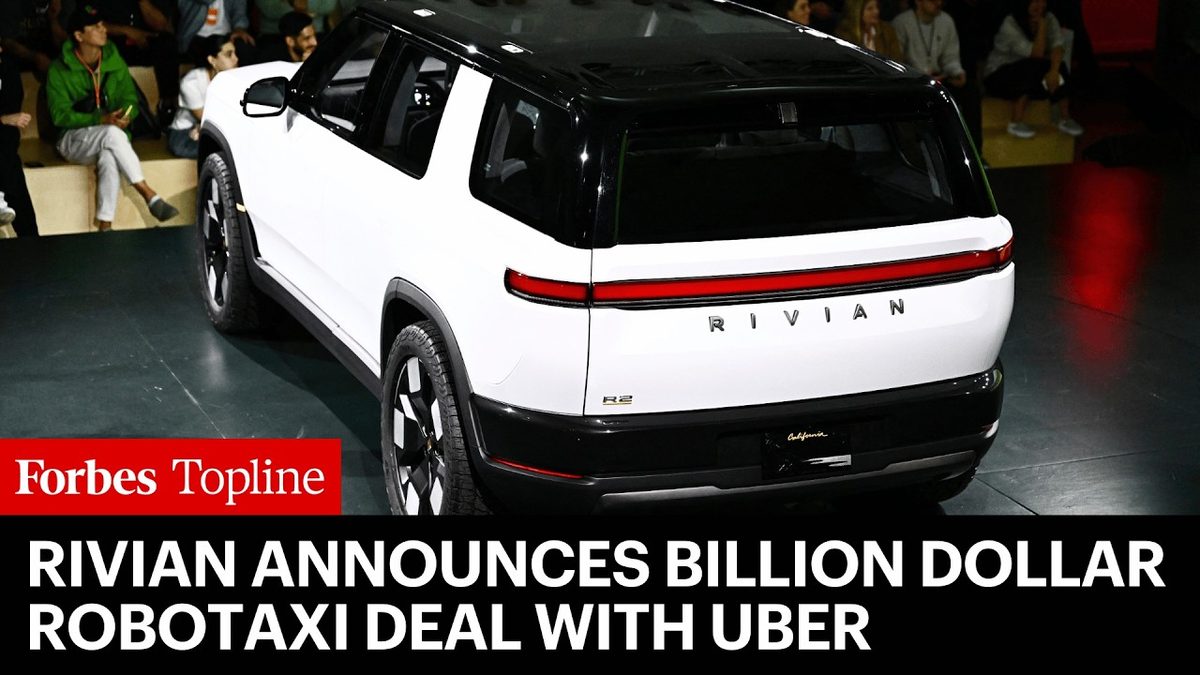
Uber is attempting the same kind of business-model swap inside an existing customer base: keep ridesharing running while quietly converting the underlying supply from human drivers to autonomous fleets.