
Pull to refresh
Logo
Venezuela opposition walks fine line over U.S. oil deal

Venezuela opposition walks fine line over U.S. oil deal

Money Moves

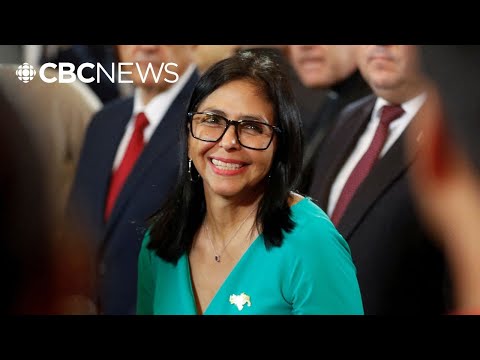
Acting president Delcy Rodríguez signed the 100-year arrangement without opposition input; María Corina Machado calls it 'saddening' but won't reject it.

7 days ago: Opposition in a political bind over the deal

Overview

Updated 5 days ago

Venezuela's opposition backed the U.S. military operation that captured Nicolás Maduro in January. Now the oil deal Washington signed with his replacement is testing their loyalty to America's arrangement against their democratic project.

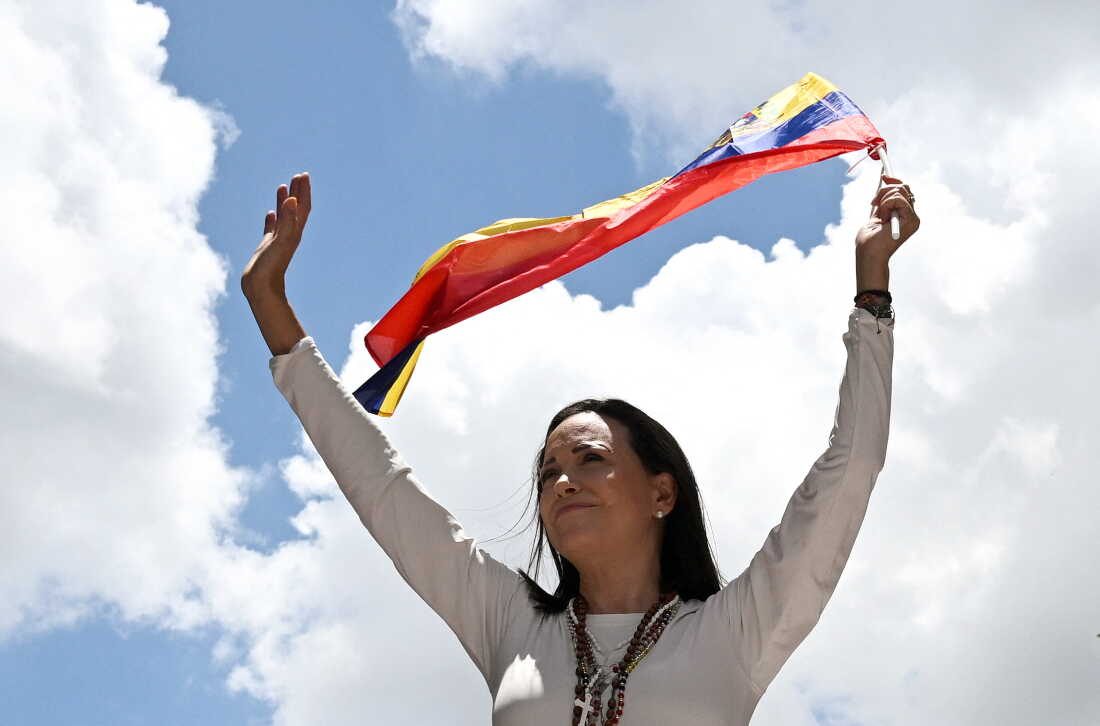
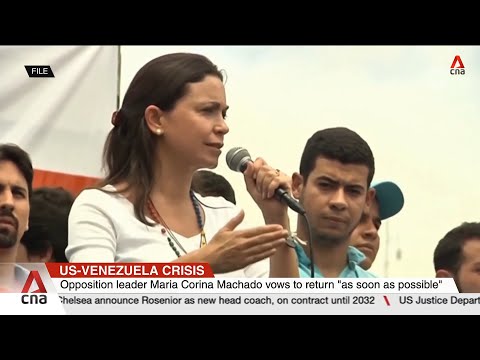
The agreement gives the U.S. government majority control over 65 billion barrels of reserves through a 100-year structure negotiated without opposition input. Machado calls it 'saddening and angering' but stops short of rejecting it — opposing Washington would cost the opposition its only real backer.

Why it matters

The U.S. controls 65 billion barrels of Venezuela's oil, but the deal's terms may entrench an unelected interim government and delay elections.

Questions about this story

Free account needed to ask — your question is kept and asked for you right after sign-up. Answers are public.

No questions yet — be the first to ask.

Key Indicators

65 billion barrels
Venezuelan reserves under U.S. majority control
The deal gives the U.S. government control over most of the country's reserves through the NABEP venture.
100 years
Concession term
Critics, including the Center for Strategic and International Studies, note the term is not covered by Venezuela's oil law, leaving it constitutionally fragile.
22%
Rodríguez approval rating
AtlasIntel survey after her botched response to twin earthquakes that killed more than 6,500 people.
20%
State Department purchase right
The State Department can buy 20% of NABEP's oil output at production cost, with first refusal on the remaining 80%.
300+
Political prisoners held by Rodríguez government
A central reason opposition leaders question the legitimacy of any agreement she signs.

Voices

Curated perspectives — historical figures and your fellow readers.

Ever wondered what historical figures would say about today's headlines?

Sign up to generate historical perspectives on this story.

People Involved

Organizations Involved

Timeline

January 2026 September 2026

6 events Latest: 7 days ago
Tap a bar to jump to that date
  1. Opposition in a political bind over the deal

    Latest Analysis

    Reports detail how the deal forces opposition to choose between backing Washington and pursuing democratic transition.

  2. National Assembly approves oil deal

    Vote

    Venezuela's legislature approves; some opposition lawmakers abstain, demanding the written terms first.

  3. Machado speaks at Bled forum

    Statement

    Machado says development requires democracy but avoids condemning the oil deal itself.

  4. U.S.-Venezuela oil deal announced

    Agreement

    Trump and Rodríguez announce a 100-year arrangement giving U.S. control over most Venezuelan oil; NABEP created.

  5. Earthquakes kill thousands in Venezuela

    Crisis

    Twin earthquakes kill over 6,500; Rodríguez's botched response sinks her approval rating to 22%.

  6. U.S. captures Maduro; Rodríguez takes over

    Military action

    U.S. forces capture Nicolás Maduro; his vice president Delcy Rodríguez assumes the presidency.

Scenarios

1

Deal holds through Rodríguez's term; elections slip past 2028

Likely Resolves by Jun 1, 2028

Discussed by: Eurasia Group's Risa Grais-Targow; economist Ricardo Hausmann

Trump prioritizes the deal over elections, and Rodríguez slow-walks transition talks while the opposition lacks leverage. The U.S. gives her political cover, no credible election date materializes, and Washington's interest in stable oil access keeps her in place through Maduro's term, which ends in 2030.

2

Elections happen; a new government repudiates the deal

Possible Resolves by Mar 1, 2029

Discussed by: Rapidan Energy's Bob McNally; opposition figures like José Amalio Graterol; Center for Strategic and International Studies

A Democrat wins the 2028 U.S. presidential election and reconsiders the agreement, or Washington's promised transition finally forces a vote. A freely elected Venezuelan government — likely Machado's — declares the 100-year arrangement unconstitutional under Venezuela's oil law and cancels or renegotiates NABEP's terms.

3

Trump pushes elections; deal survives with renegotiation

Possible Resolves by Jun 1, 2027

Discussed by: Al Jazeera's analysis of Washington's three-phase plan

Trump extracts concessions from Rodríguez — a firm election date — in exchange for keeping the deal in place. Opposition joins a renegotiated agreement, winning amendments that address constitutional concerns. Venezuela votes in 2027 or early 2028, and Machado leads after the ballot.

Historical Context

3 moments from history that rhyme with this story — and how they unfolded.

March 1938

Mexico's 1938 oil expropriation

President Lázaro Cárdenas nationalized foreign oil companies holding decade-old concessions granted under earlier governments, including the Porfirio Díaz era, creating the state company Pemex. The move followed a long labor dispute with Anglo-American firms.

Then

The U.S. and Britain protested; Mexico repaid claims over years while keeping control of its oil.

Now

The expropriation established that resource concessions made under one government can be annulled by a later one.

Why this matters now

That is the legal risk shadowing the 100-year U.S. deal if Venezuela holds free elections and a new government declares it unconstitutional.

April 1993

Chevron's Tengiz deal with Kazakhstan (1993)

Chevron signed a $20 billion agreement to develop the Tengiz oil field with Kazakhstan's authoritarian president Nursultan Nazarbayev, who had dissolved parliament and repressed opponents. Negotiated with little transparency, the deal became the pillar of U.S.-Kazakh economic ties.

Then

It brought hundreds of millions in annual revenue to Nazarbayev's government and gave his regime Western legitimacy.

Now

TengizChevroil still operates today, showing a resource deal with an autocrat can survive for decades and deepen his hold on power.

Why this matters now

Venezuelan opposition figures argue the U.S. deal does the same for Rodríguez — a revenue stream and U.S. legitimacy that reduces pressure for elections.

2008-2009

Iraq's contested oil contracts (2008-2009)

Iraq's central government signed service contracts giving international majors control of its biggest oil fields, but the Kurdish regional government argued the 2005 constitution let it sign its own deals. Two sets of contracts coexisted with conflicting legal claims.

Then

The contracts went ahead, but disputes over which were valid persisted for years.

Now

The ambiguity became a permanent fault line in Iraqi oil governance and a model for how contested-constitution deals can be exploited later.

Why this matters now

Critics at the Center for Strategic and International Studies warn the U.S.-Venezuela deal's unclear legal footing invites the same kind of challenge.

Sources

(11)