



July 1787
Three-Fifths Compromise (1787)
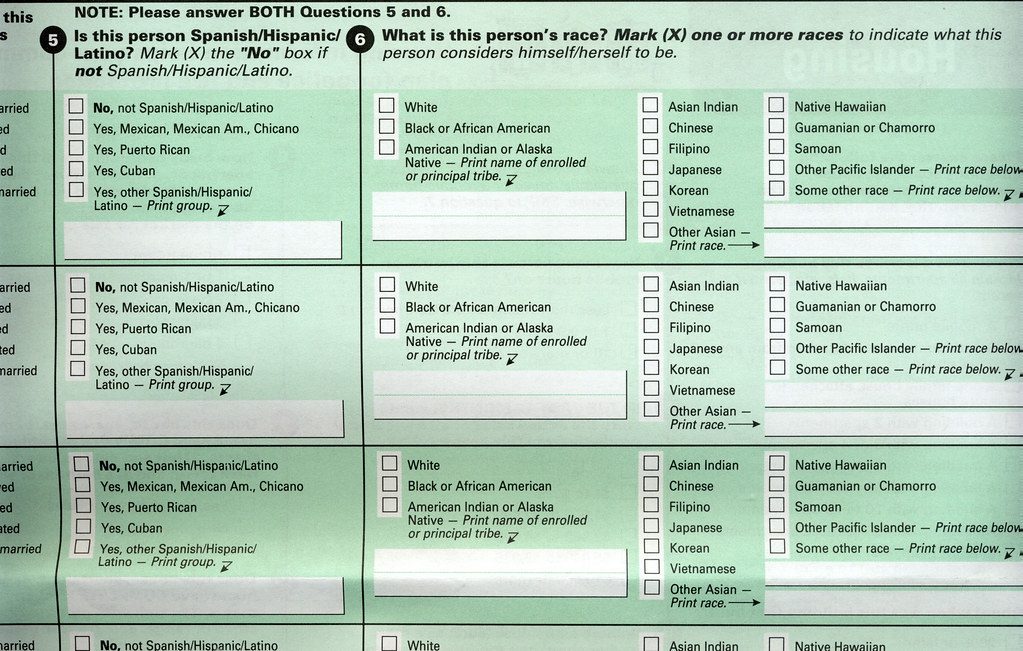
At the Constitutional Convention, delegates debated which residents count toward state representation. The compromise counted three-fifths of enslaved people for apportionment purposes while excluding Indigenous people not taxed.
Then
Created the 'whole number of persons in each State' language that the Fourteenth Amendment later codified for the census.
Now
Established that representation follows population, including residents who cannot vote — the principle the current proposal challenges.
Why this matters now
The current fight is the same question the founders struggled with: which residents count toward representation in Congress.