

Pull to refresh
Logo
Coached lifestyle programs improve dementia-risk cognition more than advice alone

Coached lifestyle programs improve dementia-risk cognition more than advice alone

New Capabilities

Two-year trial across 11 Latin American countries found coached programs improved cognition 55% more than self-guided health advice.

7 days ago: Alert on coached program's 55% cognitive gain

Overview

Updated 5 days ago

Older adults at risk for dementia improved their thinking 55% more over two years with a coached lifestyle program than with health advice alone. The result comes from LatAm-FINGERS, a 1,065-person trial across 11 Latin American countries, reported July 13 at the Alzheimer's Association International Conference in London and in The Lancet.

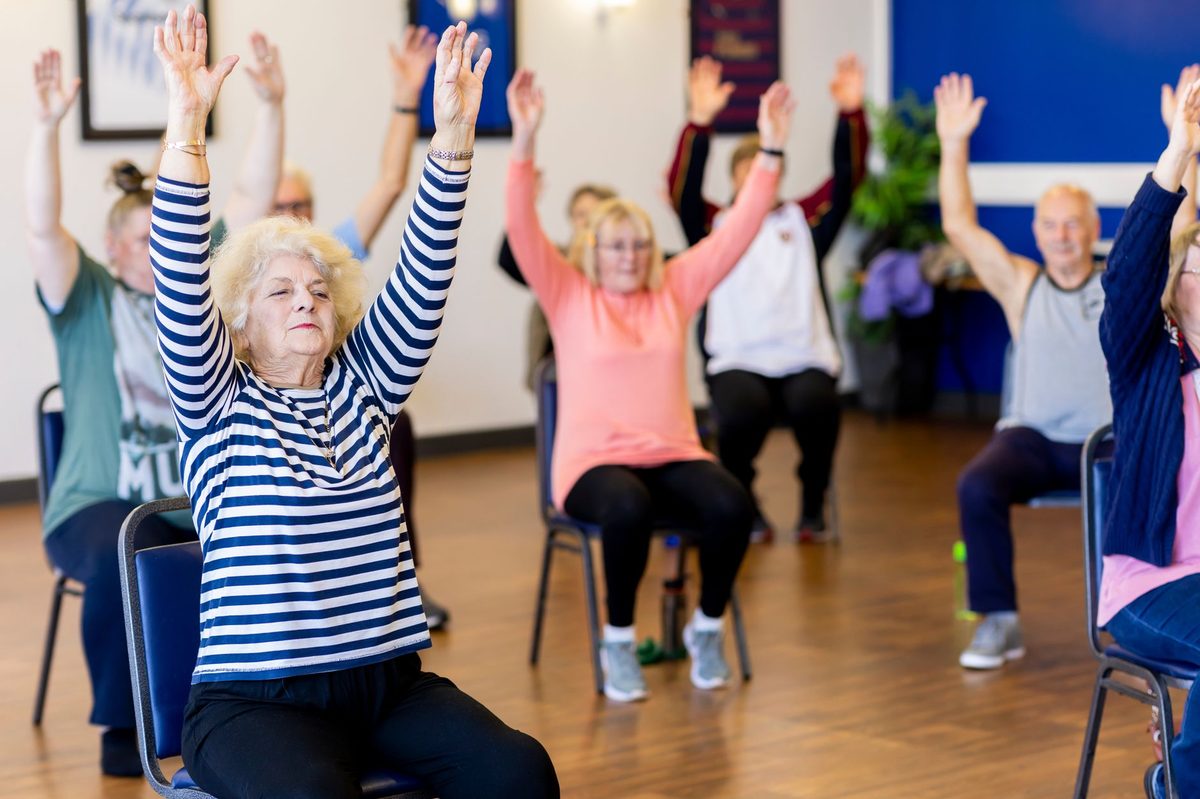
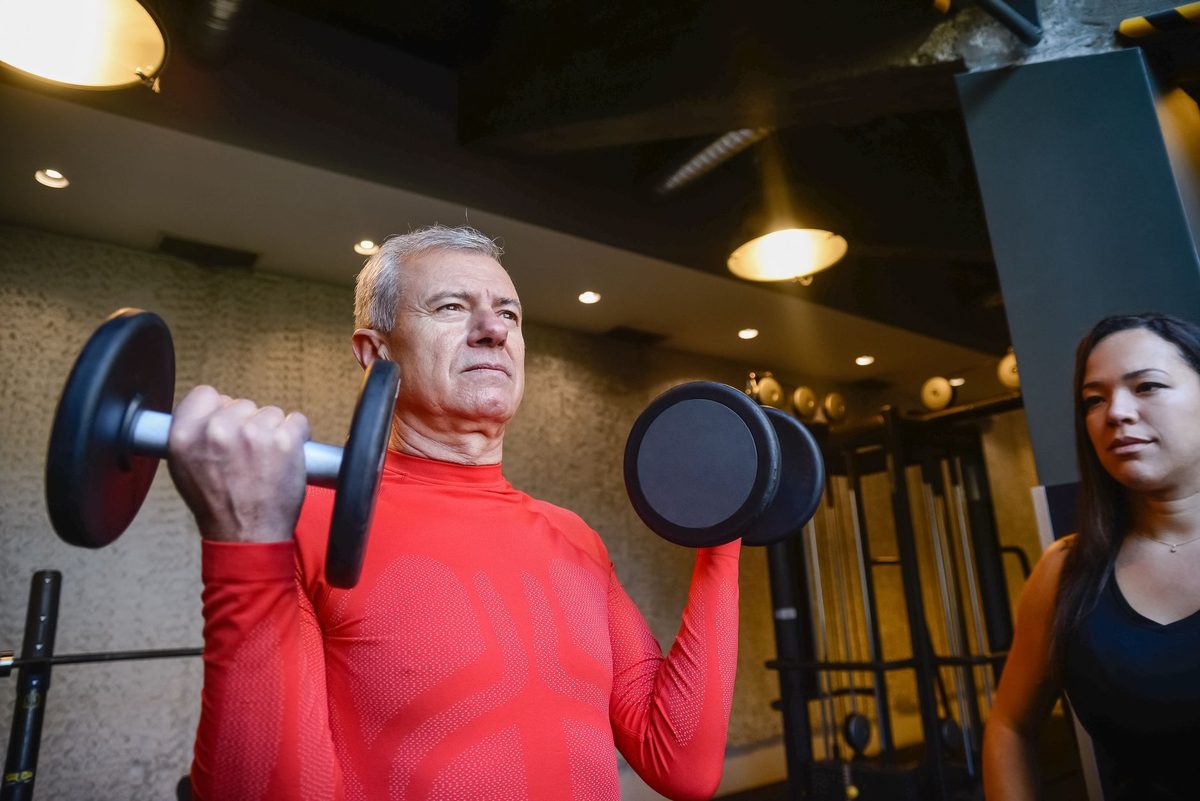
The coached group met 38 times, exercised under supervision, and followed a modified MIND diet, a Mediterranean-DASH hybrid; the comparison group attended four educational sessions. Subgroup analysis suggested women benefited more than men, which investigators linked to how much each group engaged in the activities. Whether the gains translate into fewer dementia diagnoses remains untested; two earlier prevention trials measuring dementia incidence found no clear reductions.

Why it matters

If coached lifestyle programs delay dementia, millions of older adults could keep their independence longer, without needing a new drug.

Questions about this story

Free account needed to ask — your question is kept and asked for you right after sign-up. Answers are public.

No questions yet — be the first to ask.

Key Indicators

55%
Greater cognitive improvement with coached vs. advice-only program
Structured arm improved 0.31 SD per year on global cognition vs. 0.20 SD for the flexible arm.
1,065
Older adults enrolled
Mean age 67.5 years; 75% women; all at increased dementia risk.
11
Latin American countries
12 study sites from Argentina and Brazil to Mexico and Uruguay.
0.11 SD/yr
Between-group improvement gap in global cognition
Statistically significant at P < .0001; measured in standard deviations per year.
38
Supervised group meetings in the coached arm
Versus 4 educational meetings in the flexible arm over two years.

Voices

Curated perspectives — historical figures and your fellow readers.

Ever wondered what historical figures would say about today's headlines?

Sign up to generate historical perspectives on this story.

People Involved

Organizations Involved

Timeline

March 2015 September 2026

6 events Latest: 7 days ago
Tap a bar to jump to that date
  1. Alert on coached program's 55% cognitive gain

    Latest News

    ScienceDaily alert: coached lifestyle program improved cognition 55% more than basic health advice.

  2. ScienceDaily republishes findings

    News

    ScienceDaily carries a news release on the LatAm-FINGERS results.

  3. Reporting details sex-specific findings

    News

    Israel Chronicle reported that cognitive benefits appeared mainly in women and noted two earlier prevention trials found no clear reductions in dementia incidence.

  4. LatAm-FINGERS results unveiled at AAIC 2026

    Presentation

    Presented at the Alzheimer's Association International Conference in London and published in The Lancet.

  5. US POINTER trial results reported

    Research

    Structured lifestyle program modestly beat a self-guided version across 2,111 older adults.

  6. Finnish FINGER trial published

    Research

    First major randomized trial showing multidomain lifestyle programs can slow cognitive decline in at-risk seniors.

Scenarios

1

Follow-up shows lifestyle gains translate into fewer dementia cases

Uncertain Resolves by End of 2029

Discussed by: Trial authors including neurologist Lucia Crivelli, who told Medscape Medical News it remains unclear whether two-year gains will delay onset of mild cognitive impairment or dementia

The LatAm-FINGERS team could run extended follow-up on its 1,065 participants. If the cognitive improvements hold and show up as lower rates of mild cognitive impairment or dementia diagnoses, the case for making coached lifestyle programs standard care would strengthen. The trial found no significant difference on the Clinical Dementia Rating scale, a caution sign, though participants started with minimal functional impairment.

2

More countries replicate positive lifestyle-trial results, global evidence consolidates

Likely Resolves by End of 2028

Discussed by: Alzheimer's Association, which framed LatAm-FINGERS as a cultural replication of the FINGER model

Positive results have now appeared on three continents, which makes further successes more plausible. Trials modeled on the same multidomain approach in Asia and elsewhere would reinforce the finding that structured coaching, not advice content, drives cognitive benefit. Each replication lowers the odds that the LatAm result is a population-specific fluke.

3

Clinical guidelines adopt coached lifestyle programs for dementia risk

Possible Resolves by Q2 2028

Discussed by: Public health researchers and coverage in Medical Xpress noting LatAm results exceeded comparable Finnish and U.S. trials

If evidence holds and replications pile up, health agencies could formally recommend structured multidomain lifestyle programs for adults at elevated dementia risk, much as diabetes prevention trials led to reimbursed lifestyle programs. Cost and workforce needs are the main barriers: supervised exercise, nutrition counseling, group meetings and monitoring do not scale as cheaply as a prescription.

4

Sex-specific response to lifestyle programs confirmed or refuted

Uncertain Resolves by End of 2028

Discussed by: LatAm-FINGERS investigators including Claudia Suemoto

Exploratory analysis found cognitive benefits mainly in women, a difference the investigators linked to engagement. Confirmatory analyses within LatAm-FINGERS and other FINGERS trials will test whether the pattern holds. If it does, it could change who gets referred to lifestyle programs.

Historical Context

3 moments from history that rhyme with this story — and how they unfolded.

2001

Finnish Diabetes Prevention Study (2001)

A foundational Finnish trial showed that intensive lifestyle counseling on diet and exercise cut type 2 diabetes incidence by 58% in adults with impaired glucose tolerance.

Then

The protective effect persisted for years after the counseling period ended.

Now

It became the model for translating lifestyle trials into reimbursed diabetes prevention programs, including the US National Diabetes Prevention Program.

Why this matters now

It shows the adoption path a dementia lifestyle program might follow, from randomized trial to standard clinical care.

2015

FINGER trial, Finland (2015)

Finnish researchers randomized at-risk older adults to two years of a multidomain program combining diet, exercise, cognitive training and vascular risk monitoring, or to general health advice, and published the results in The Lancet.

Then

The intervention group showed significant gains in processing speed and executive function, the first major RCT to demonstrate the approach.

Now

It became the template for replication trials worldwide, including the U.S. POINTER and LatAm-FINGERS studies.

Why this matters now

LatAm-FINGERS adapted the same FINGER design into a Latin American context and reported larger cognitive effects.

2025

U.S. POINTER trial (2025)

A US trial of 2,111 older adults compared a structured lifestyle program, with supervised exercise, MIND diet coaching, cognitive training, social engagement and cardiovascular monitoring, against a self-guided version.

Then

The structured group improved cognition by 0.243 standard deviations per year versus 0.213 for the self-guided group, a small but significant gap.

Now

Reinforced that structure and accountability, not advice content, drive adherence and benefit.

Why this matters now

LatAm-FINGERS reported a much larger between-group gap (0.11 SD/year vs. POINTER's 0.029), suggesting the model works at least as well outside wealthy-country settings.

Sources

(7)