

Pull to refresh
Logo
Taiwan launches first homegrown sounding rocket in maiden test flight

Taiwan launches first homegrown sounding rocket in maiden test flight

New Capabilities

Maraho rocket verifies propulsion, communications, and recovery systems as part of Taiwan's push for orbital launch capability by 2034

August 22nd, 2026: Maraho completes maiden test flight

Overview

Updated Aug 23

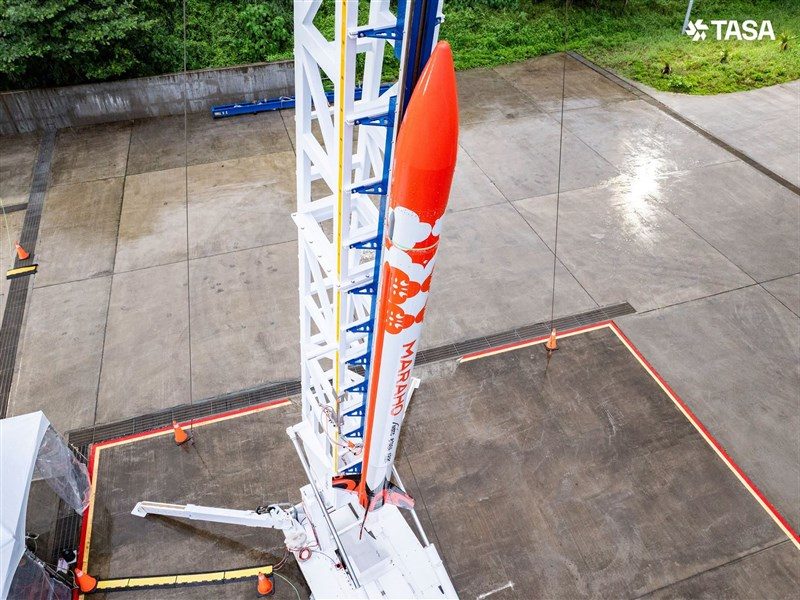
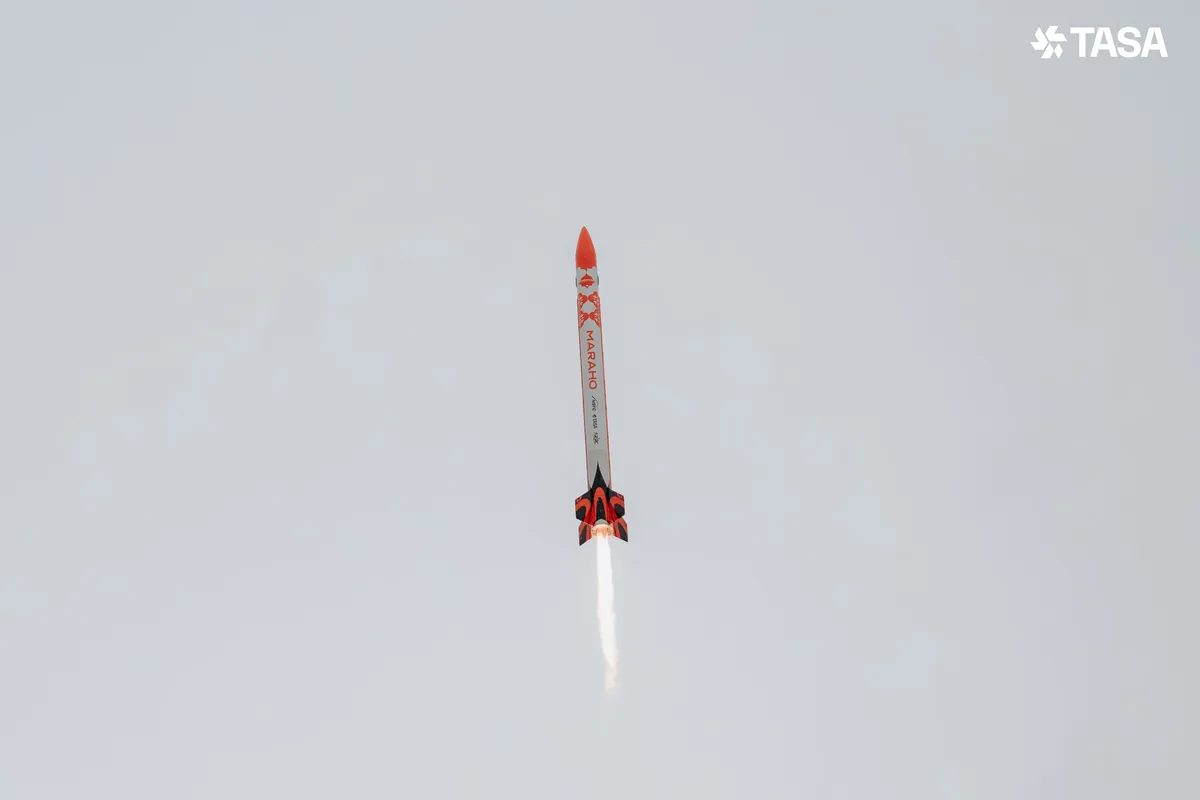
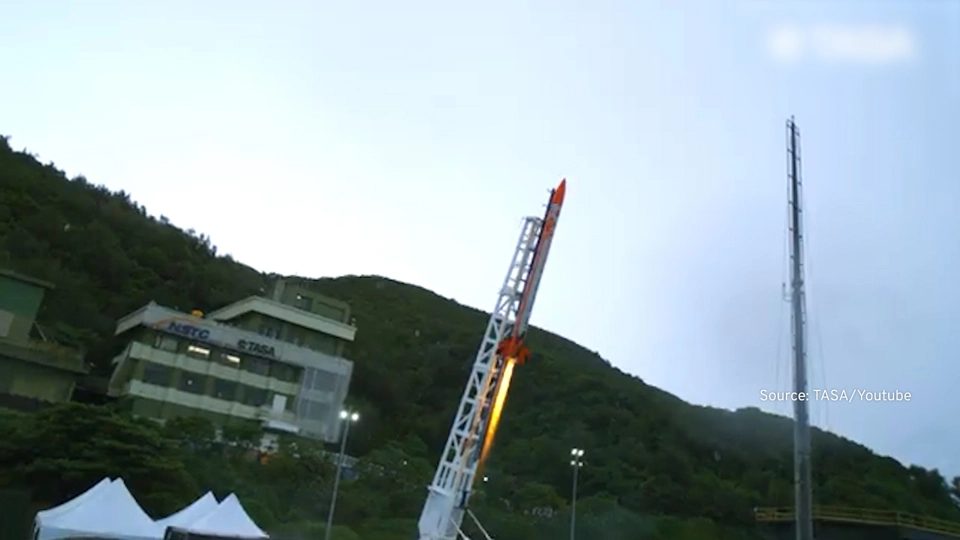
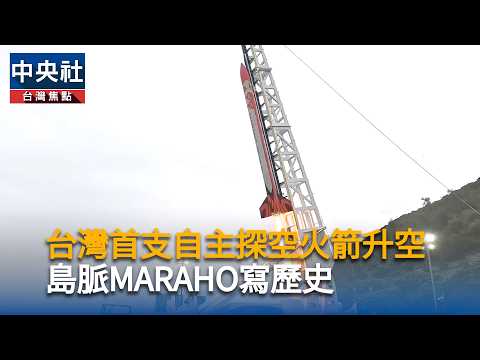
Taiwan launched its first domestically developed sounding rocket on August 22, a step toward building indigenous satellite launch capability. The Maraho rocket climbed 8.1 kilometers in 49 seconds, reached Mach 1.2, and flew 432 seconds before parachuting into the sea.

The test verified propulsion, flight control, and real-time communications between rocket and ground stations. Taiwan's space agency started its orbital launch vehicle program in 2023, aiming to put a 200-kilogram satellite into low-Earth orbit by 2034.

Why it matters

If Taiwan reaches orbit, it stops depending on SpaceX and other foreign launchers for its satellites, gaining control over its own launch schedule.

Questions about this story

Free account needed to ask — your question is kept and asked for you right after sign-up. Answers are public.

No questions yet — be the first to ask.

Key Indicators

8.1 km
Maximum altitude reached
Peak altitude achieved 49 seconds after liftoff.
Mach 1.2
Top speed
408 meters per second, roughly 20% faster than sound.
432 s
Total flight time
Rocket burned for 18 seconds, then coasted and descended by parachute.
200 kg
Target payload to low-Earth orbit
TASA's stated payload goal for its orbital rocket by 2034.

Voices

Curated perspectives — historical figures and your fellow readers.

Ever wondered what historical figures would say about today's headlines?

Sign up to generate historical perspectives on this story.

People Involved

Organizations Involved

Timeline

2023 August 2026

4 events Latest: August 22nd, 2026 · 3 weeks ago
Tap a bar to jump to that date
  1. Maraho completes maiden test flight

    Latest Launch

    Maraho reaches 8.1 km, Mach 1.2, and 432-second flight; verifies propulsion and real-time telemetry.

  2. Third-phase space plan approved

    Funding

    Executive Yuan approves plan funding rocket research center in Tainan and national launch site.

  3. Orbital rocket engine switches to liquid fuel

    Design Change

    TASA abandons hybrid fuel for its orbital rocket, adopting liquid fuel to meet the 200 kg payload target.

  4. TASA starts orbital launch vehicle program

    Program Launch

    TASA initiates a program to develop indigenous rocket launch capability, targeting 2034.

Scenarios

1

Next Maraho flights complete verification, program advances

Likely Resolves by End of 2027

Discussed by: TASA's stated program plan, which calls for repeated SR400 series test flights before a first-generation suborbital vehicle in 2029

TASA continues the Maraho/SR400 series with additional test flights through 2027 and 2028. Each flight verifies propulsion, avionics, communications, and recovery systems using real flight data. Success keeps the program on schedule for the first-generation suborbital test vehicle in 2029.

2

Test flight failure forces redesign and schedule slip

Possible Resolves by End of 2028

Discussed by: Historical precedent from South Korea's Nuri first-attempt failure; standard rocket development risk

A future Maraho flight or larger test vehicle fails during flight, exposing a design flaw. The agency pauses testing for months of redesign and retesting. The 2029 first-generation vehicle and the 2034 orbital target slide back by a year or more.

3

Taiwan achieves orbital launch capability by 2034

Possible Resolves by End of 2034

Discussed by: TASA's official program target announced in 2023

The incremental program stays on schedule: first-generation suborbital vehicle in 2029, second-generation in 2031, then the first orbital rocket test in 2034. A 200-kilogram-class satellite reaches low-Earth orbit using Taiwan's own launch vehicle, making Taiwan the next Asian nation with independent launch capability.

Historical Context

2 moments from history that rhyme with this story — and how they unfolded.

September 1966 – February 1970

Japan's Lambda-4S (1966–1970)

Japan's Institute of Space and Astronautical Science developed the solid-fuel Lambda-4S rocket to launch its first satellite. The first four launch attempts between 1966 and 1969 failed. The fifth attempt in February 1970 put Japan's Ohsumi satellite into orbit.

Then

Japan became the fourth nation to launch its own satellite.

Now

The experience built the foundations for Japan's later orbital rocket programs, including the H-II series.

Why this matters now

Demonstrates the multi-attempt, years-long path from small research rockets to orbital capability, with repeated failures as a normal part of development.

October 2021 – June 2022

South Korea's Nuri rocket (2021–2022)

South Korea built the KSLV-II Nuri, a fully indigenous three-stage liquid-fuel rocket. The first launch attempt in October 2021 failed when the third stage shut down early, leaving the dummy satellite short of orbit. The second attempt in June 2022 succeeded, placing a test satellite in orbit.

Then

South Korea became the seventh nation with indigenous orbital launch capability.

Now

The program showed that a failed first attempt doesn't doom a launch program when the engineering baseline is sound.

Why this matters now

Taiwan's program follows a similar pattern of incremental flight tests with real flight data, and may face a comparable early failure before success.

Sources

(9)