

Pull to refresh
Logo
JetZero's $1B bet on reinventing the airplane

JetZero's $1B bet on reinventing the airplane

New Capabilities

Defense contractors and major airlines back a startup racing to fly the first commercial blended-wing jet

January 13th, 2026: JetZero closes $175M Series B

Overview

Updated May 21

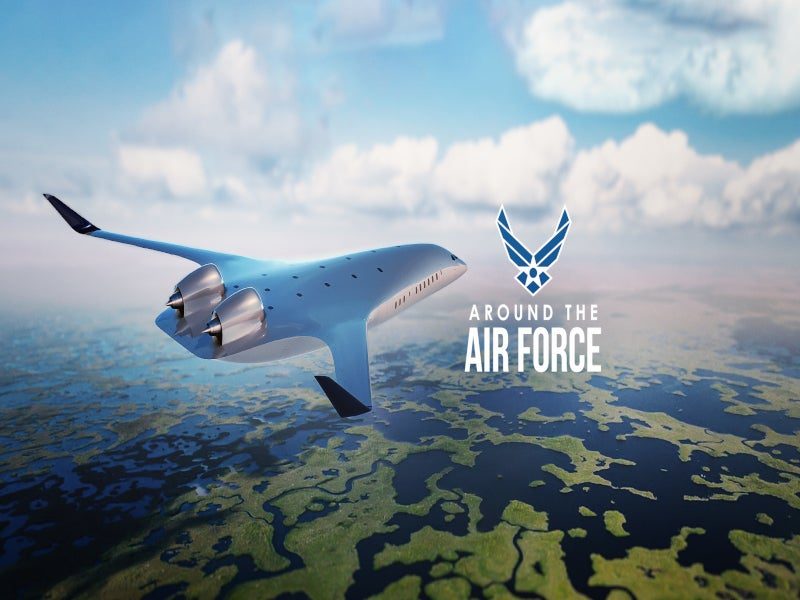
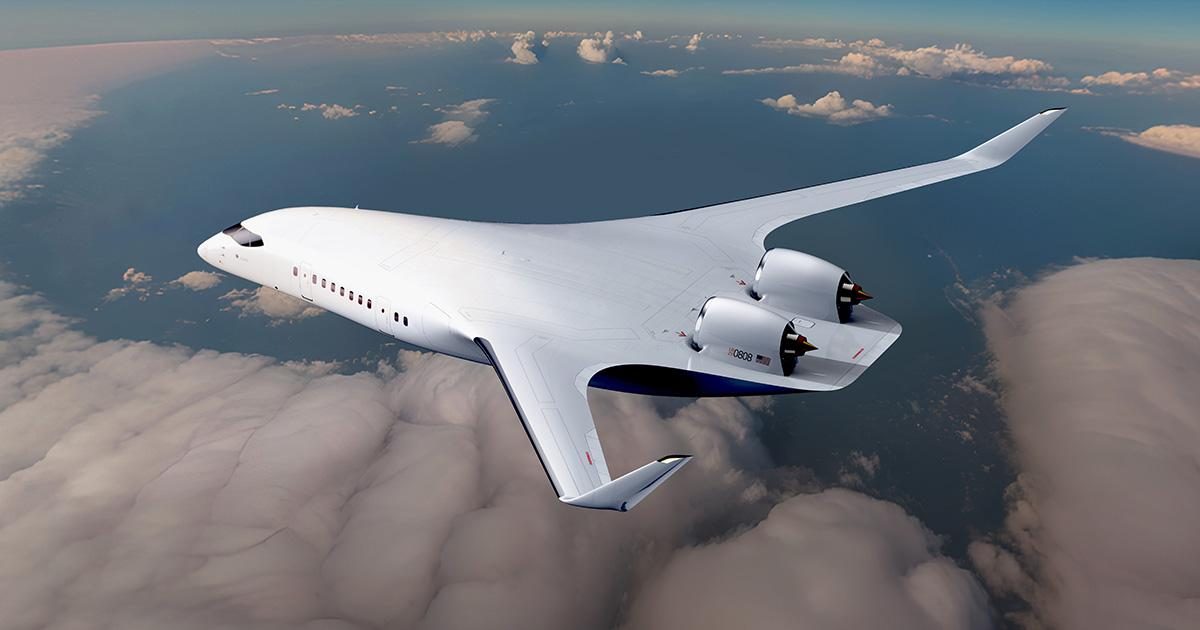
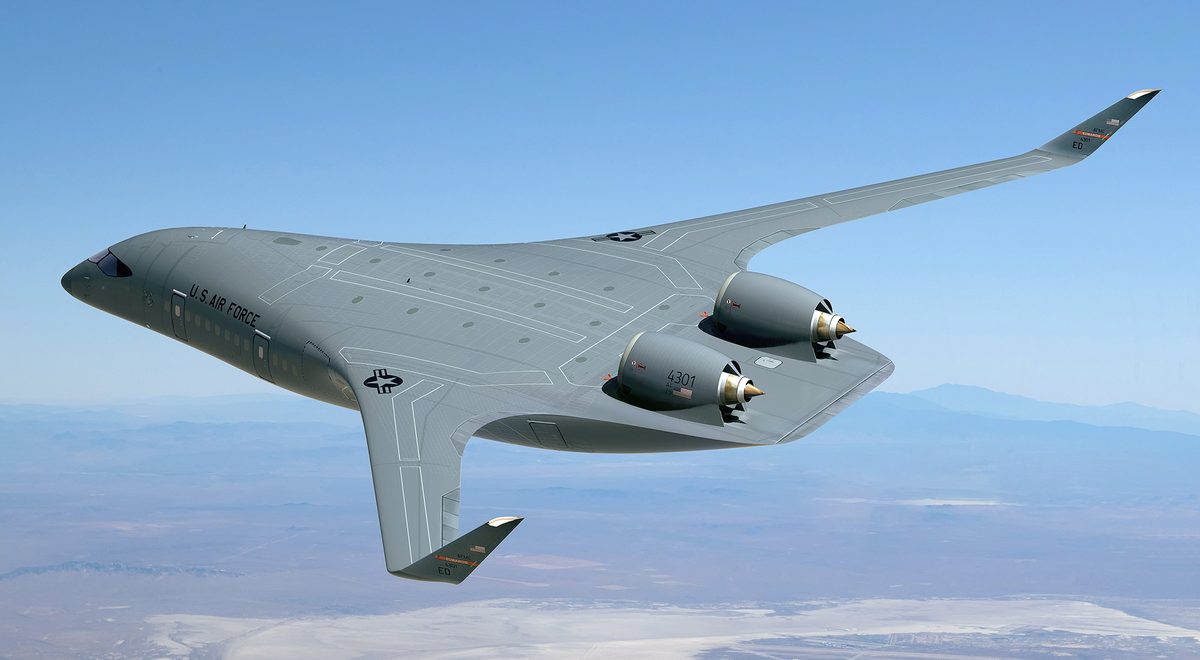
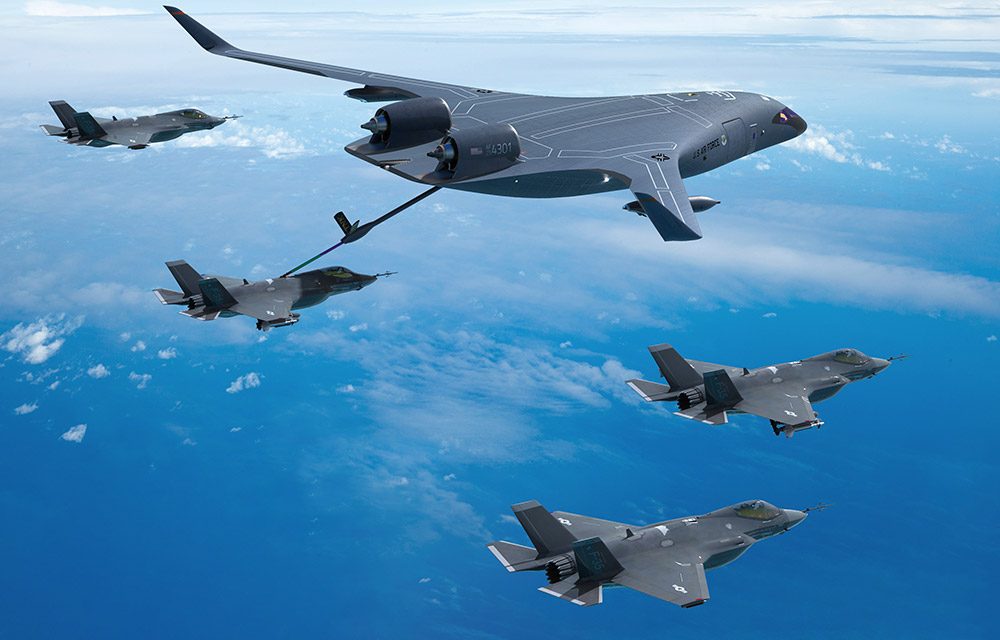
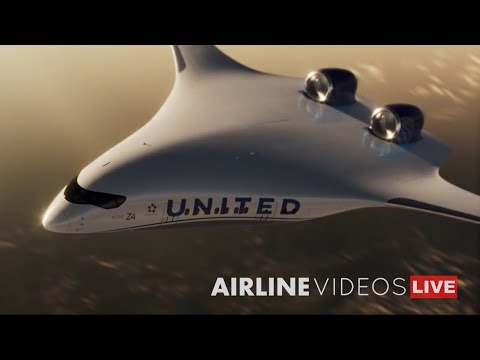
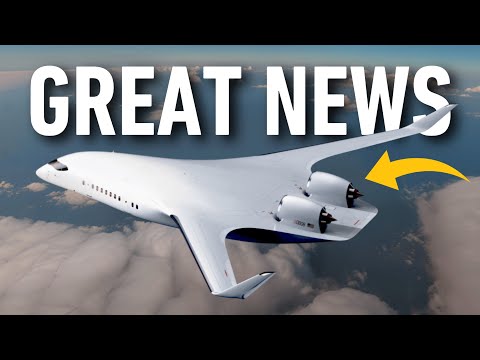
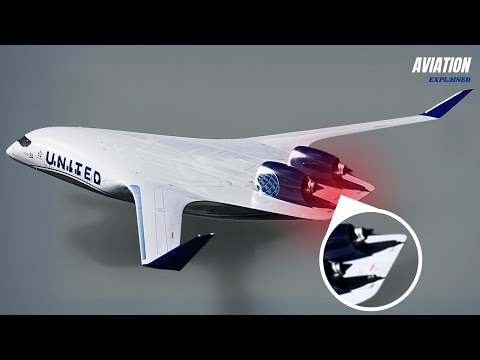
The tube-and-wing aircraft design has dominated commercial aviation since the Boeing 707 entered service in 1958. JetZero, a Long Beach startup, just raised $175 million to challenge that 67-year-old paradigm with a blended-wing aircraft. The new design merges fuselage and wings into a single lifting surface, promising 50% fuel savings over conventional jets.

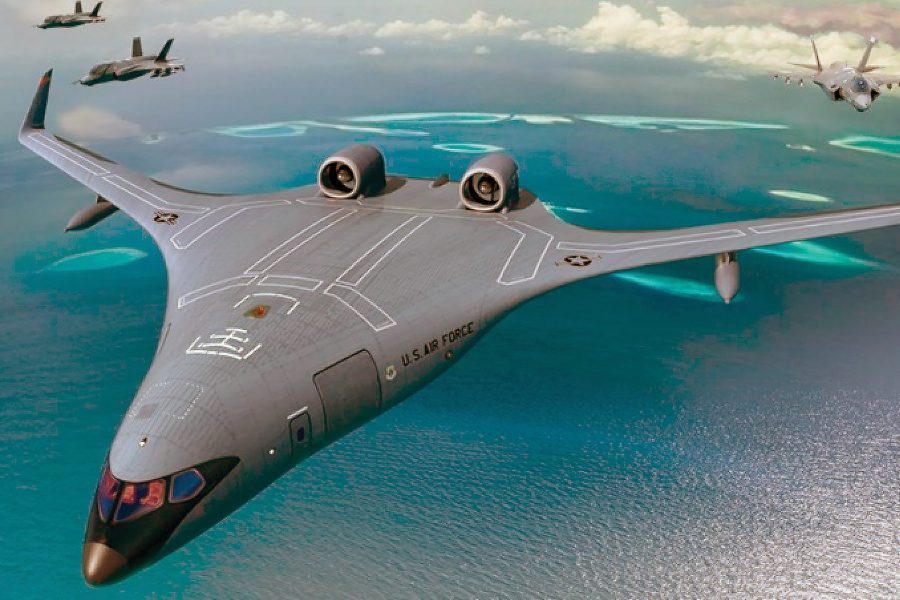
The Series B round was led by B Capital, with investments from Northrop Grumman, United Airlines Ventures, RTX, and 3M Ventures, pushing JetZero's total funding past $1 billion. The company has 200 conditional aircraft orders from United and Alaska Airlines, a $235 million Air Force contract, a $4.7 billion manufacturing plant planned in North Carolina, and a 2027 deadline to fly a full-scale demonstrator.

Questions about this story

Free account needed to ask — your question is kept and asked for you right after sign-up. Answers are public.

No questions yet — be the first to ask.

Key Indicators

$1B+
Total funding secured
Including government grants, commercial commitments, and venture capital
50%
Projected fuel savings
Compared to conventional tube-and-wing aircraft like the Boeing 767
200
Conditional aircraft orders
From United Airlines (up to 100) and Alaska Airlines (up to 100)
2027
Full-scale demonstrator flight target
Mandated by Air Force contract, built by Northrop's Scaled Composites

Voices

Curated perspectives — historical figures and your fellow readers.

Ever wondered what historical figures would say about today's headlines?

Sign up to generate historical perspectives on this story.

People Involved

Organizations Involved

Timeline

January 1994 January 2026

10 events Latest: January 13th, 2026 · 8 months ago
Tap a bar to jump to that date
  1. JetZero closes $175M Series B

    Latest Funding

    B Capital leads round with Northrop Grumman, United, RTX, and 3M Ventures, pushing total commitments past $1 billion.

  2. JetZero selects North Carolina for manufacturing

    Corporate

    Company announces $4.7 billion factory at Piedmont Triad airport, projecting 14,500 jobs—largest in state history.

  3. United Airlines invests with path to 200 aircraft

    Commercial

    United Ventures makes strategic investment with conditional purchase agreement for up to 100 aircraft plus 100 options.

  4. Alaska Airlines becomes first airline investor

    Funding

    Alaska Star Ventures invests in JetZero's Series A with options for future aircraft orders.

  5. Air Force awards JetZero $235M contract

    Funding

    Defense Innovation Unit selects JetZero to build full-scale BWB demonstrator by 2027, beating larger competitors.

  6. JetZero founded

    Corporate

    Tom O'Leary and Mark Page spin out BWB development from DZYNE Technologies to form JetZero in Long Beach.

  7. X-48 program ends without commercial successor

    Research

    After 122 flights over six years, the X-48 program concludes. Plans for a larger transonic demonstrator fail to materialize.

  8. Boeing X-48B makes first flight

    Milestone

    NASA and Boeing's 20-foot unmanned BWB demonstrator begins flight testing at Edwards Air Force Base.

  9. First BWB scale model flies

    Milestone

    The BWB-17, a 17-foot artificially stabilized model built by Stanford University, demonstrates viable handling qualities.

  10. NASA launches blended-wing body research

    Research

    NASA begins funding McDonnell Douglas to develop modern BWB configuration. Mark Page leads the three-year program.

Scenarios

1

JetZero Flies Demonstrator on Schedule, Airlines Firm Up Orders

Possible

Discussed by: Flight Global, Bloomberg aerospace analysts

The 2027 demonstrator flight meets Air Force performance targets, proving 30%+ aerodynamic efficiency gains. United and Alaska convert conditional orders to firm commitments. Additional carriers sign letters of intent. FAA begins formal certification pathway discussions for commercial variant. JetZero achieves entry into service in early 2030s as planned.

2

Certification Hurdles Delay Commercial Entry by 5+ Years

Possible

Discussed by: Leeham News, Mentour Pilot aviation analysis

Demonstrator flies successfully but FAA requires extended testing for novel evacuation procedures and non-standard pressure vessel certification. Airlines maintain interest but push back delivery commitments. Military applications proceed on faster timeline. JetZero burns through capital during extended certification, requiring additional funding rounds.

3

Boeing or Airbus Acquires JetZero Technology

Possible

Discussed by: Aviation Week, industry M&A analysts

As JetZero proves the technology viable, a major OEM acquires the company or licenses the design rather than compete. Boeing, facing 2030s timeline pressure for 737 replacement and burdened with debt, finds acquisition cheaper than internal development. JetZero's team and IP transfer to established manufacturer with deeper pockets and certification experience.

4

Demonstrator Underperforms, Commercial Program Stalls

Unlikely

Discussed by: The Air Current, aerospace skeptics

Full-scale demonstrator fails to achieve projected efficiency gains at scale, or encounters insurmountable stability and control issues. Airlines walk away from conditional orders. Military continues limited development for niche applications. JetZero pivots to component supplier or winds down.

Historical Context

3 moments from history that rhyme with this story — and how they unfolded.

January 1976 - November 2003

Concorde Commercial Failure (1976-2003)

British-French consortium built 20 supersonic airliners promising to halve transatlantic flight times. Only 14 entered service with two airlines, never achieving profitability. High fuel costs, limited routes, sonic boom restrictions, and a fatal 2000 crash ended the program.

Then

Concorde operated for 27 years but never expanded beyond Air France and British Airways, ultimately retired in 2003.

Now

Demonstrated that revolutionary aircraft technology alone doesn't guarantee commercial success. Operating economics, regulatory constraints, and airport infrastructure matter as much as engineering breakthroughs.

Why this matters now

JetZero faces similar risks: novel certification requirements, infrastructure compatibility questions (wide aircraft at existing gates), and the gap between technical promise and commercial viability. Unlike Concorde, JetZero's value proposition is cost reduction rather than speed.

July 2007 - April 2013

Boeing X-48 Program (2007-2013)

NASA and Boeing flew the X-48, a 20-foot unmanned BWB demonstrator, 122 times at Edwards Air Force Base over six years. The program validated low-speed handling qualities and proved the configuration viable, but Boeing and NASA announced plans for a larger transonic demonstrator that never materialized.

Then

Boeing shelved commercial BWB development, citing lack of airline demand and certification uncertainty.

Now

The X-48 team—Mark Page, Bob Liebeck, Blaine Rawdon—left Boeing and eventually formed the core of JetZero, carrying decades of institutional knowledge to the startup.

Why this matters now

JetZero is essentially the X-48 program's commercial successor, led by the same engineers who invented the modern BWB configuration. The startup exists because Boeing chose not to pursue commercial applications.

December 2010 - May 2020

SpaceX Commercial Crew Development (2010-2020)

NASA awarded SpaceX $2.6 billion to develop commercial crew transportation to the ISS, betting on a startup over established contractors. SpaceX's Crew Dragon flew astronauts a decade after contract award, breaking the government-contractor monopoly on human spaceflight.

Then

SpaceX successfully launched astronauts in May 2020, validating the model of government funding enabling commercial space capabilities.

Now

NASA's commercial approach created a competitive market, dramatically reducing launch costs and establishing the template for public-private partnerships in aerospace.

Why this matters now

JetZero's Air Force contract mirrors NASA's commercial crew approach—government funding de-risking revolutionary technology development by a startup. The 2027 demonstrator deadline is JetZero's equivalent of SpaceX's crewed flight milestone.

Sources

(11)