

Pull to refresh
Logo
Sudan's army and RSF trade control of Blue Nile's border towns

Sudan's army and RSF trade control of Blue Nile's border towns

Force in Play

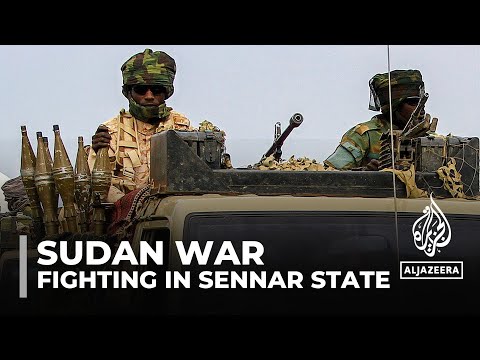
The army says it retook Kurmuk in July, four months after the RSF and its allies seized the border town

July 8th, 2026: Army claims recapture of Kurmuk

Overview

Updated Jul 8

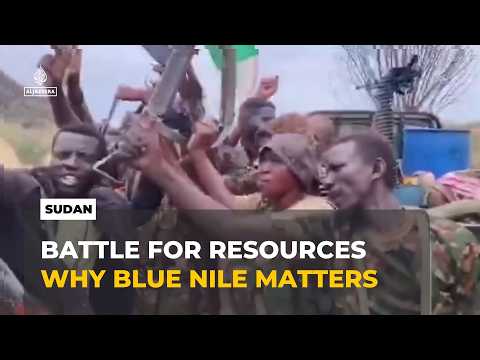
The Sudanese army says it has retaken Kurmuk, a border town it lost in March. Whoever holds Kurmuk controls the roads and crossings that feed fighters and supplies in from Ethiopia. On July 8, the army claimed it back.

Kurmuk sits where Sudan meets Ethiopia and South Sudan, near the Al-Roseires Dam that regulates the Blue Nile. Control of it decides whether the paramilitary Rapid Support Forces can push toward central Sudan, or whether the army can seal the border and cut their resupply.

Why it matters

Who holds Blue Nile controls the gateway to central Sudan and a dam that regulates water for millions downstream.

Questions about this story

Free account needed to ask — your question is kept and asked for you right after sign-up. Answers are public.

No questions yet — be the first to ask.

Key Indicators

103,000+
People displaced
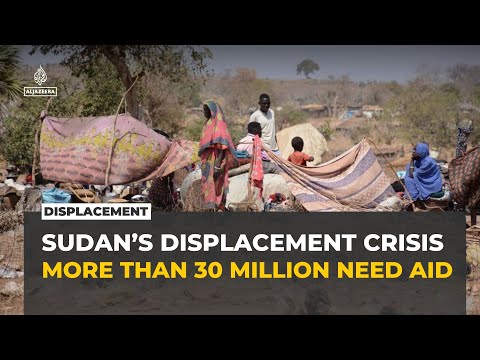
Civilians forced from homes during the Blue Nile campaign, many sheltering near Ed Damazin.
~106 days
RSF control of Kurmuk
The town was held by the RSF and allies from March 24 until the army's July 8 claim.
3
Borders converging
Kurmuk sits near where Sudan meets Ethiopia and South Sudan.
7.3 billion m³
Al-Roseires Dam capacity
The nearby dam is the main regulator of Blue Nile waters in Sudan.

Voices

Curated perspectives — historical figures and your fellow readers.

Ever wondered what historical figures would say about today's headlines?

Sign up to generate historical perspectives on this story.

People Involved

Organizations Involved

Timeline

January 2026 July 2026

6 events Latest: July 8th, 2026 · 2 months ago
Tap a bar to jump to that date
  1. Army claims recapture of Kurmuk

    Latest Territorial

    The army says it has retaken Kurmuk, along with the areas of Sirkum and Mugaja. Independent battlefield verification remains limited.

  2. Large-scale offensive on Kurmuk begins

    Military operation

    The army launches a heavy assault on RSF front-line positions around Kurmuk after hours of fighting.

  3. Army pushes to the Ethiopian border

    Territorial

    The 4th Infantry Division takes areas within a kilometer of Ethiopia, retaking the Al-Bar area in Geissan district.

  4. Army retakes Khor Hassan

    Territorial

    The army recaptures the border town of Khor Hassan as its counteroffensive closes in on Kurmuk.

  5. RSF and allies seize Kurmuk

    Territorial

    The RSF and SPLM-N capture Kurmuk, Blue Nile's third-largest town, in a major offensive across the state's south.

  6. New front opens in Blue Nile

    Escalation

    Sudan reports RSF and SPLM-N fighters attacking Blue Nile State from South Sudan, clashing with the army's 4th Infantry Division.

Scenarios

1

Army holds Kurmuk and seals the Ethiopian border

Possible Resolves by Oct 8, 2026

Discussed by: Sudan Tribune, ACLED analysts

The army consolidates control of Kurmuk and the surrounding crossings, cutting RSF resupply routes from Ethiopia. Fighting shifts away from the town as the RSF looks elsewhere. This would confirm the momentum the army has shown since May and hand it the gateway toward central Sudan.

2

RSF and SPLM-N counterattack and retake Kurmuk

Possible Resolves by End of 2026

Discussed by: The National, ACLED

The RSF and its SPLM-N allies mount a counteroffensive, exploiting local terrain and cross-border support to reverse the army's July gains. Kurmuk has already changed hands once this year. A second flip would show neither side can hold the town, keeping Blue Nile a contested corridor.

3

Fighting reaches the Al-Roseires Dam

Unlikely Resolves by End of 2026

Discussed by: Ayin Network, regional water-security analysts

Combat in Blue Nile spreads to the Al-Roseires Dam, the main regulator of Blue Nile waters. Damage or a fight for control there would threaten water and power supply well beyond the front line and draw in wider regional concern over Nile flows.

Historical Context

2 moments from history that rhyme with this story — and how they unfolded.

September 2011

Blue Nile and South Kordofan war (2011)

After South Sudan split away, fighting broke out between Sudan's army and SPLM-N rebels in Blue Nile and South Kordofan. The rebels held rural areas near the Ethiopian and South Sudanese borders for years.

Then

Tens of thousands fled into Ethiopia and South Sudan as the army bombed rebel-held zones.

Now

The SPLM-N kept a durable presence in Blue Nile, roots that shaped which fighters joined the 2026 offensive.

Why this matters now

The same rebel movement and the same border geography drive today's fight. Blue Nile has been contested ground for over a decade.

Early 2026

RSF captures El Fasher (2026)

After a long siege, the RSF took El Fasher, the army's last major stronghold in Darfur. The fall gave the paramilitaries near-total control of Sudan's west and freed fighters to open new fronts elsewhere.

Then

The army lost its foothold in Darfur, and civilians faced mass displacement and reported atrocities.

Now

The RSF could redirect forces toward contested regions like Blue Nile, widening the war's geography.

Why this matters now

The Blue Nile offensive drew on RSF momentum built after Darfur. It shows how a win in one region reshapes the map in another.

Sources

(6)