


California Proposition 8 aftermath and document reversals (2008-2013)
California voters passed Proposition 8 in November 2008, amending the state constitution to ban same-sex marriage five months after the state supreme court had legalized it. Approximately 18,000 same-sex couples had married during that window. The state ultimately allowed those marriages to stand while prohibiting new ones, creating a two-tier system where the legality of a marriage depended on its date.
Courts ruled the 18,000 existing marriages remained valid despite the ban on new ones. The California Supreme Court upheld both Proposition 8 and the existing marriages in Strauss v. Horton (2009).
A federal court struck down Proposition 8 in 2010, and the U.S. Supreme Court effectively ended it in Hollingsworth v. Perry (2013) by declining to hear the appeal on standing grounds. Same-sex marriage resumed in California.
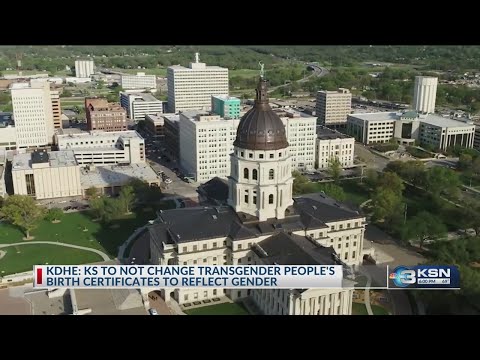
The Proposition 8 situation illustrates the legal complexity of retroactively invalidating government-recognized status. California chose not to void existing marriages, establishing a precedent that previously granted government recognition carries weight. Kansas took the opposite approach by retroactively revoking documents, which may face similar legal scrutiny over whether the state can withdraw recognition already given.