



Pull to refresh
Logo
San Francisco supervisors advance MEDA housing deal amid financial scrutiny

San Francisco supervisors advance MEDA housing deal amid financial scrutiny

Money Moves San Francisco, CA local

Board backs $22.2 million financing for a nonprofit on the controller's highest-risk watch list, citing new safeguards

Overview

Updated Nov 1

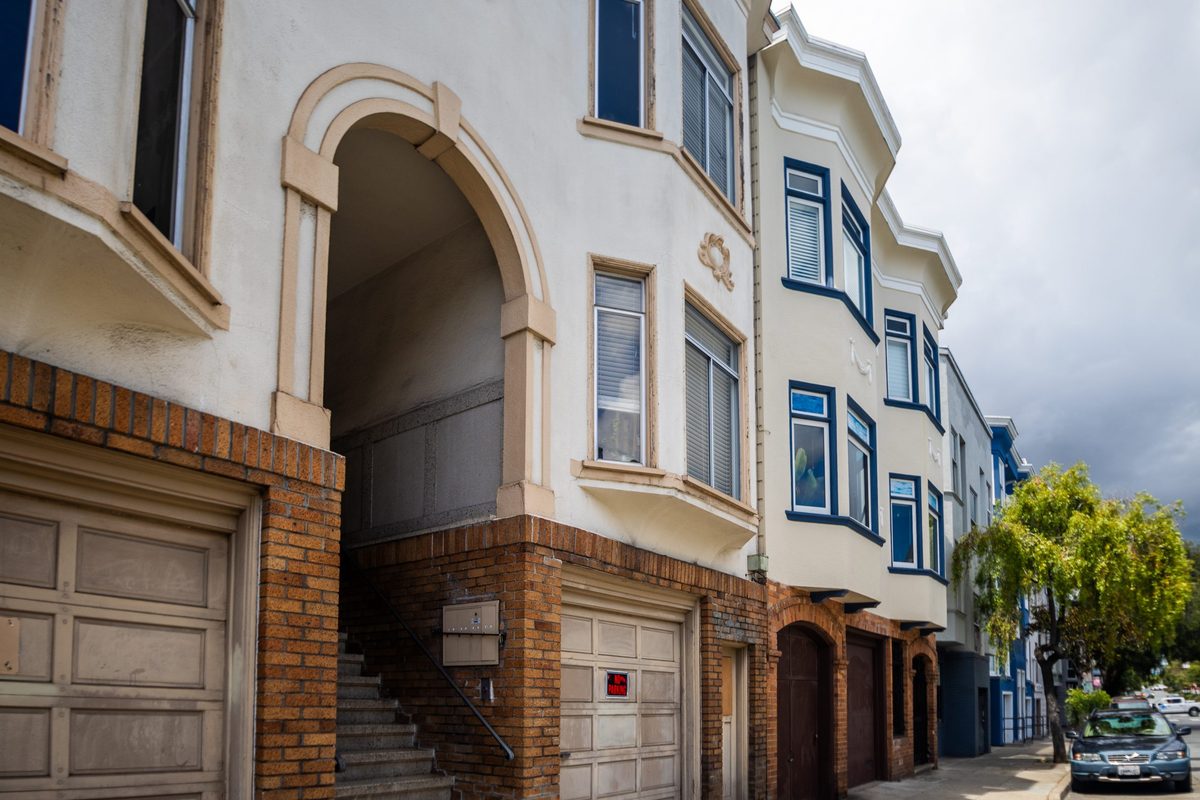
San Francisco's Budget and Finance Committee voted 3-0 on Oct. 28 to advance a $22.2 million loan deal for the Mission Economic Development Agency (MEDA). The city would buy an existing $20.3 million loan and become the lender on a Mission Street building with 35 apartments and four storefronts. The committee acted nine days after the controller placed the nonprofit on its highest-risk watch list.

The full Board of Supervisors still has to vote, and the Legistar record shows no date yet. Supervisors had delayed the committee vote on Oct. 21 over concerns about MEDA's finances. They now say city safeguards insulate the loan from the nonprofit's problems. The controller's office has not publicly confirmed that its findings are resolved. MEDA's executive director was set to review documents with the controller on Friday, Oct. 30; no outcome has been reported.

Why it matters

If the $22.2 million financing fails, MEDA may not acquire the 39-unit Mission District building — and affordable housing in San Francisco gets harder to build.

Last Monday's email for San Francisco, CA

Sent Nov 9. It carried:

Get next Monday's: one short email a week. Free. Unsubscribe in one click.

Questions about this story

Free account needed to ask — your question is kept and asked for you right after sign-up. Answers are public.

No questions yet — be the first to ask.

Key Indicators

$22.2M
Proposed city financing for MEDA
Financing to help MEDA acquire a 39-unit building and preserve it as affordable housing.
Tier 3
City's highest-risk nonprofit designation
Assigned Oct. 19 after the controller cited alleged employee self-dealing and 10 unresolved issues.
1,300+
Affordable housing units in MEDA's portfolio
Housing managed by MEDA across the Mission District.
39
Units in building MEDA would acquire
The building the $22.2 million financing would help acquire and preserve as affordable housing.

Voices

Curated perspectives — historical figures and your fellow readers.

Sign up to generate historical perspectives on this story.

People Involved

Organizations Involved

Timeline

2025 October 2026

6 events Latest: October 28th, 2026 · 2 weeks ago
Tap a bar to jump to that date
  1. Supervisors advance $22.2 million MEDA deal

    Latest Political

    Board committee advances the financing agreement, citing safeguards against MEDA's financial problems.

  2. Supervisors delay vote on MEDA financing

    Political

    Dorsey and Sauter push back a committee vote on the $22.2 million deal, wanting more information about the misconduct.

  3. Controller puts MEDA on Tier 3 watch list

    Oversight

    SF Controller Greg Wagner cites 10 unresolved issues, including alleged self-dealing by a former employee.

  4. Audit alleges unauthorized IT purchases and weak controls

    Audit

    Aprio LLP's audit for fiscal 2025 alleges a former employee made unauthorized IT purchases and set up unauthorized vendors. It also finds serious weaknesses in MEDA's financial controls.

  5. MEDA lays off 12 employees

    Financial

    The nonprofit laid off 12 employees and cut salaries for remaining staff. Executive Director Luis Granados said the nonprofit faced fiscal strain.

  6. City approves $37.8 million MEDA refinancing

    Financing

    Supervisors approved a $37.8 million refinancing for 15 MEDA-owned Small Sites properties with 89 apartments. About $6.2 million of new money went to repairs and reserves.

Scenarios

1

Full board approves MEDA financing, deal closes

Likely Resolves by End of 2026

Discussed by: Mission Local, SFist

The committee's advance sends the $22.2 million agreement to the full Board of Supervisors. If Dorsey and Sauter are satisfied with MEDA's response to the Tier 3 findings, the board passes it and MEDA acquires the 39-unit building.

2

City withholds or conditions MEDA funding over audit findings

Possible Resolves by Q1 2027

Discussed by: SFist, city officials

If MEDA fails to resolve the 10 issues behind the Tier 3 designation, the controller could withhold payments or add conditions. The Mayor's Office of Housing called the designation a framework for improvement, so the outcome depends on whether MEDA's fixes hold.

3

Prosecutors charge former MEDA employee over self-dealing

Uncertain Resolves by Q2 2027

Discussed by: The Sept. 30 audit and MEDA's referral to authorities

MEDA said it reported the former employee to authorities and believes it was the victim of a crime, but declined to name the authorities or say whether a police report was filed. If a prosecutor files charges, the case becomes criminal.

Historical Context

2 moments from history that rhyme with this story — and how they unfolded.

1991-1995

United Way of America (1991-1995)

CEO William Aramony used donor funds for a Manhattan apartment, a car and luxury travel. He was ousted in 1992 amid a public scandal and convicted in 1995 of conspiracy and defrauding the charity.

Then

Aramony served prison time; donor confidence in a major national charity collapsed.

Now

Prompted stricter board oversight and financial controls across nonprofit governance.

Why this matters now

Shows how one insider's actions, exploiting weak controls, can undermine a trusted nonprofit — the pattern alleged at MEDA.

1975

New York City fiscal crisis (1975)

New York City neared default on $1.4 billion in short-term debt. The state created the Municipal Assistance Corporation and an Emergency Financial Control Board to oversee city finances while the city cut services.

Then

The city avoided default through short-term loans and spending cuts under state oversight.

Now

Installed a permanent structure of fiscal monitoring for the city.

Why this matters now

Illustrates how governments keep essential services funded while imposing external oversight — the model behind SF's Tier 3 designation.

Sources

(5)