
Pull to refresh
Logo
Alioto's Plaza opens at Fisherman's Wharf in redevelopment push

Alioto's Plaza opens at Fisherman's Wharf in redevelopment push

Built World San Francisco, CA local

New public space replaces the restaurant that closed permanently during the pandemic

September 2nd, 2026: Alioto's Plaza opens to the public

Overview

Updated 6 days ago

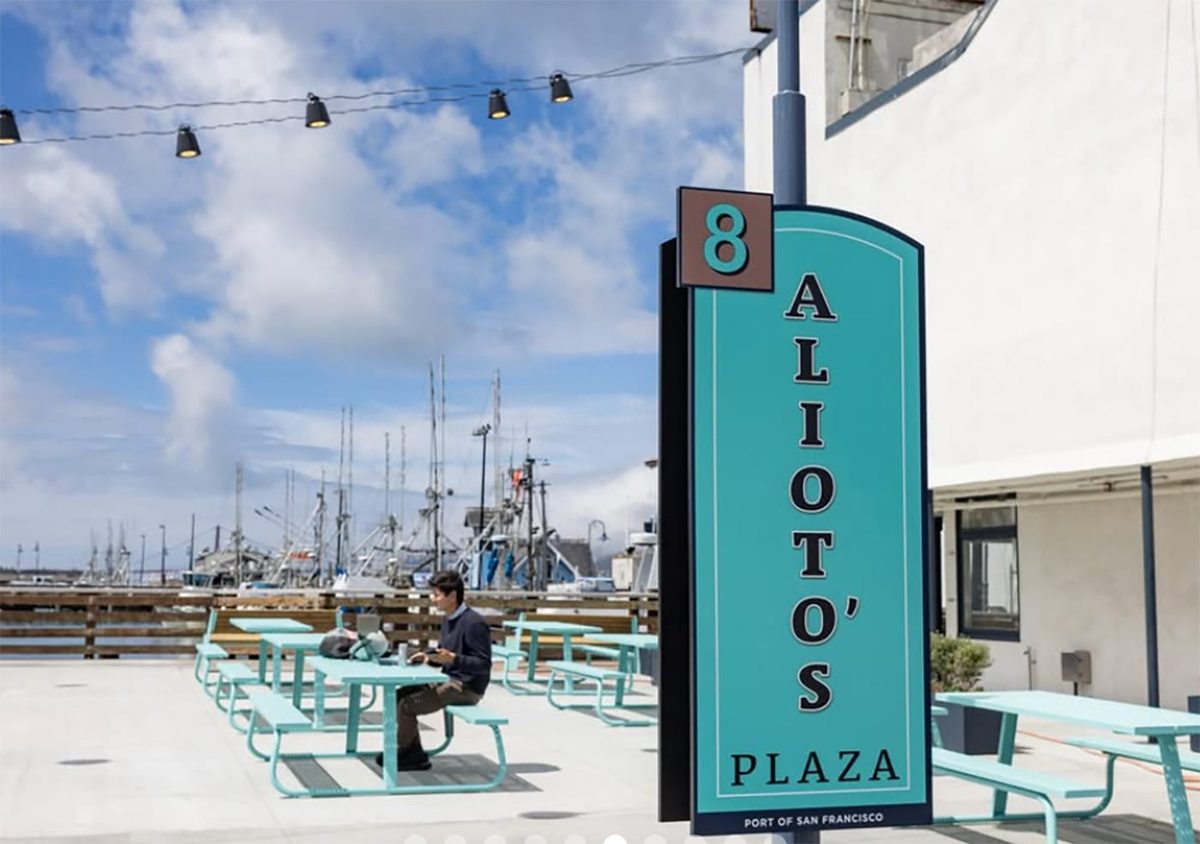
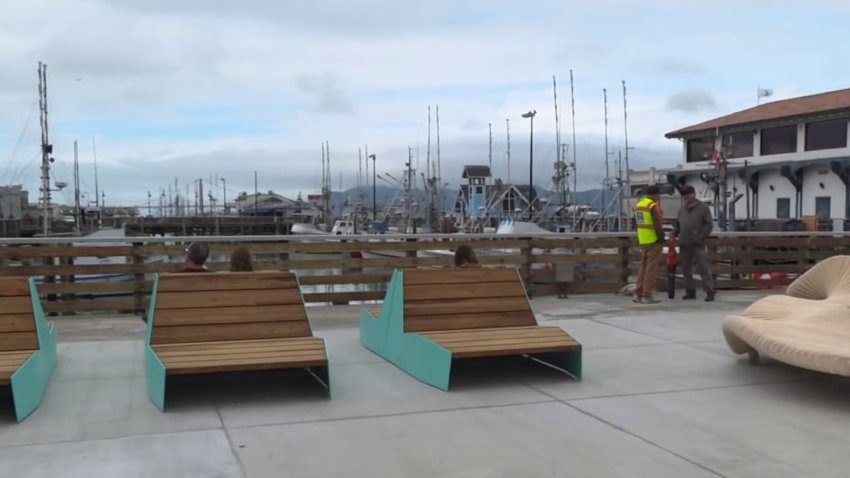
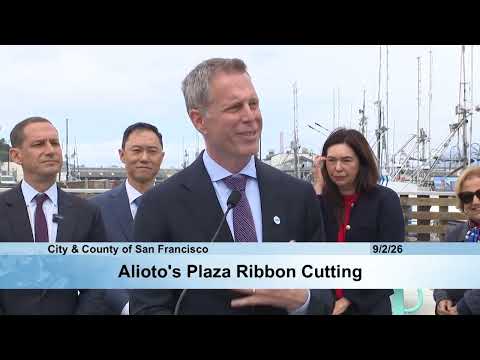
A 97-year-old restaurant that anchored Fisherman's Wharf is now a public plaza with picnic tables, Bay-facing benches, and a beer garden. Mayor Daniel Lurie cut the ribbon Wednesday, calling the space "a new reason to return" to San Francisco's most tourist-heavy neighborhood.

Alioto's closed for good in 2022, a casualty of the pandemic that emptied the wharf. The plaza is the centerpiece of Fisherman's Wharf Forward, a city push to rebuild the district with new restaurants, a weekly fish market, and public space.

Why it matters

Whether Fisherman's Wharf draws crowds again over the next two years is a test of San Francisco's tourist recovery.

Questions about this story

Free account needed to ask — your question is kept and asked for you right after sign-up. Answers are public.

No questions yet — be the first to ask.

Key Indicators

97
Years Alioto's operated before closing
Opened in 1925, the family restaurant shut permanently in 2022 during the pandemic.
15+
New businesses opened at the wharf since 2025
Restaurants and retail added under the Fisherman's Wharf Forward redevelopment.
8
Months from demolition to plaza opening
The old building came down in January 2026; Alioto's Plaza opened in September.

Voices

Curated perspectives — historical figures and your fellow readers.

Ever wondered what historical figures would say about today's headlines?

Sign up to generate historical perspectives on this story.

People Involved

Organizations Involved

Timeline

January 1925 September 2026

7 events Latest: September 2nd, 2026 · 1 week ago
Tap a bar to jump to that date
  1. Alioto's Plaza opens to the public

    Latest Opening

    Mayor Lurie cuts the ribbon; the plaza features picnic tables, Bay-facing benches, and a beer concession.

  2. Lagoon overlook and fish market open

    Opening

    A new waterfront overlook debuts on Al Scoma Way with a weekly fish market.

  3. Former Alioto's building demolished

    Construction

    The old restaurant structure is torn down to make way for the public plaza.

  4. Redevelopment wave begins at wharf

    Development

    More than 15 new restaurants and businesses open around the wharf during the Fisherman's Wharf Forward push.

  5. Alioto's closes permanently

    Closure

    The Alioto family ends the restaurant for good after being released from its lease.

  6. Pandemic empties the tourist wharf

    Closure

    COVID-19 shuts down Fisherman's Wharf; Alioto's and neighboring restaurants close temporarily.

  7. Alioto's opens as a wharf seafood stand

    Business

    Nunzio Alioto Sr. opens a seafood stand at Fisherman's Wharf that becomes Alioto's restaurant.

Scenarios

1

Alioto's Plaza becomes a permanent wharf gathering spot

Likely Resolves by Sep 1, 2027

Discussed by: Port of San Francisco; SFist coverage of wharf programming

The beer concession, weekly fish market, and seasonal programming build a routine draw that keeps the plaza busy into 2027. The Port locks in a permanent tenant or operator for the plaza's retail kiosk once the Woods pop-up term ends.

2

Vacant wharf landmarks find new tenants

Possible Resolves by Q2 2027

Discussed by: Eater SF; SF Chronicle dining coverage

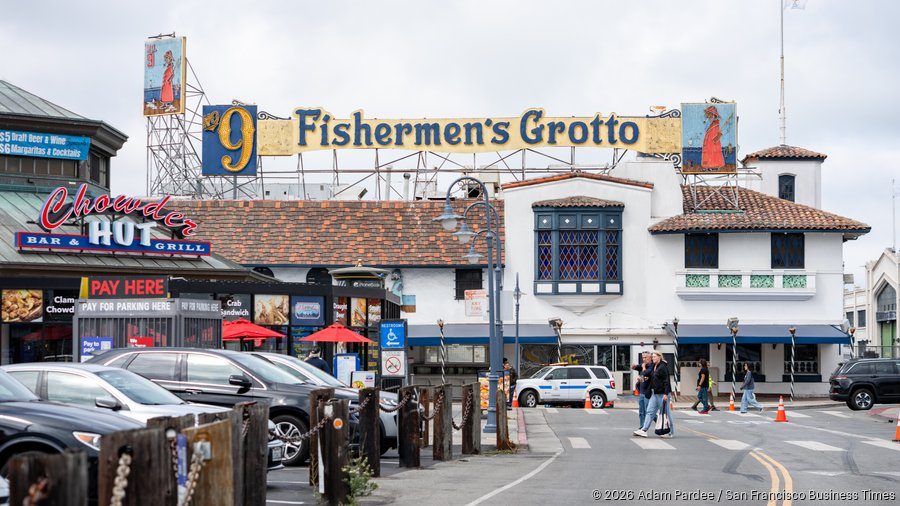
The former Fishermen's Grotto No. 9, Lou's Fish Shack, and Pompei's Grotto spaces are among several shuttered properties. If the plaza draws foot traffic, landlords secure leases for these landmark storefronts; if not, the vacancies persist.

3

Wharf visitors return to pre-pandemic levels

Uncertain Resolves by End of 2027

Discussed by: SF Travel visitor statistics; Visit San Francisco

The wharf drew record crowds before 2020. Whether the plaza and new businesses lift annual visitation back to 2019 numbers within two years is the ultimate scorecard for the redevelopment.

Historical Context

3 moments from history that rhyme with this story — and how they unfolded.

1978

Pier 39 (1978)

A private developer built a new waterfront complex of shops, restaurants, and an aquarium next to the wharf.

Then

It became the wharf's biggest attraction, drawing millions of visitors a year.

Now

It proved a single well-designed waterfront project can carry a neighborhood's tourism economy for decades.

Why this matters now

Today's wharf redevelopment is again betting that one well-designed space can anchor the district's draw.

October 1989 – 1991

Embarcadero Freeway removal (1989–1991)

The 1989 Loma Prieta earthquake damaged the elevated freeway that walled downtown San Francisco off from the waterfront. Instead of rebuilding it, the city tore the structure down in 1991, reopening the Embarcadero to the Bay.

Then

The Embarcadero became a boulevard with streetcars, parks, and unobstructed waterfront views.

Now

The removal is credited with reviving the whole waterfront corridor, from the Ferry Building to Fisherman's Wharf.

Why this matters now

Like today's plaza, a physical change that opened the waterfront to the public became a catalyst for the district's rebirth.

2003

Ferry Building Marketplace (2003)

The city spent about $80 million converting the 1898 ferry terminal into a food marketplace with farm stands and restaurants.

Then

It became a daily destination drawing both locals and tourists.

Now

It anchored the Embarcadero's revival and proved public investment in a landmark space could make a San Francisco waterfront destination viable.

Why this matters now

It is the closest precedent for betting public-market investment can drive foot traffic and spending on the city's shoreline.

Sources

(5)