
Pull to refresh
Logo
The Avenue R&B Lounge and Hookah obtains San Antonio liquor license

The Avenue R&B Lounge and Hookah obtains San Antonio liquor license

Rule Changes San Antonio, TX local

TABC issues mixed-beverage permit to Eastside venue near St. Paul Square

August 31st, 2026: TABC issues license to The Avenue R&B Lounge and Hookah

Overview

Updated Yesterday

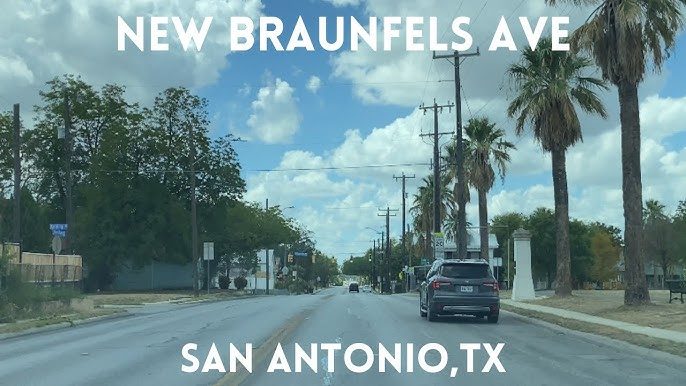
The Texas Alcoholic Beverage Commission issued a mixed-beverage license to The Avenue R&B Lounge and Hookah on August 31, 2026. The permit is tied to 734 N New Braunfels Ave, on San Antonio's Eastside near St. Paul Square and the Alamodome.

A TABC permit is one administrative step, not a green light to open. The venue still needs local zoning, occupancy, and health approvals, and an active license can be suspended if the business runs afoul of noise or alcohol rules.

Why it matters

If the venue opens, it adds a late-night R&B and hookah spot to the Eastside corridor the city has been working to redevelop.

Questions about this story

Free account needed to ask — your question is kept and asked for you right after sign-up. Answers are public.

No questions yet — be the first to ask.

Key Indicators

1
TABC license issued
Mixed-beverage (MB) permit filed August 31, 2026 for 734 N New Braunfels Ave.

Voices

Curated perspectives — historical figures and your fellow readers.

Ever wondered what historical figures would say about today's headlines?

Sign up to generate historical perspectives on this story.

Organizations Involved

Timeline

1 event Latest: August 31st, 2026 · 1 week ago
  1. TABC issues license to The Avenue R&B Lounge and Hookah

    Latest Regulatory

    Texas Alcoholic Beverage Commission filed a mixed-beverage license for 734 N New Braunfels Ave. The permit does not confirm the venue is cleared to open.

Scenarios

1

The Avenue opens and operates as a going concern

Likely Resolves by Q1 2027

Discussed by: Public TABC records and local hospitality coverage

The venue clears San Antonio's zoning, occupancy, and health inspections, then opens to the public. As a mixed-beverage and hookah spot in the Eastside's redeveloped corridor, it draws from St. Paul Square event traffic and the Alamodome. Success depends on consistent patronage and staying clear of noise complaints from nearby residential blocks.

2

Venue opens, then hits noise or code violations

Possible Resolves by Q1 2028

Discussed by: Neighborhood advocates and city code enforcement history

The lounge opens but draws complaints from adjacent residential properties over late-night music, hookah smoke, or crowding. San Antonio code enforcement or police issue citations, and TABC may suspend the license during review. The venue survives only if it adjusts hours, adds soundproofing, or reaches a settlement with neighbors.

3

License lapses; venue never opens

Unlikely Resolves by Aug 31, 2027

Discussed by: TABC data showing stalled or inactive permits

The business fails to secure the city approvals or financing needed to open, and the liquor permit goes unused. TABC records show the license canceled, revoked, or marked inactive. Local coverage treats the venue as an unfilled storefront rather than an operating business.

Historical Context

2 moments from history that rhyme with this story — and how they unfolded.

Early 2000s to present

Pearl Brewery redevelopment (2000s–present)

The abandoned Pearl Brewery complex, north of downtown San Antonio, was converted into a cluster of restaurants, bars, retail, and residences. A single entertainment anchor drove the surrounding blocks from industrial blight to a destination neighborhood.

Then

The brewery site became a weekend draw within a few years of opening its first food hall and bars.

Now

Neighboring streets absorbed new apartments and offices, making the Pearl a model for corridor revival across the city.

Why this matters now

The Avenue sits in St. Paul Square, an older entertainment strip the city has pushed to redevelop. A well-run venue can reinforce that momentum, but its impact depends on how it fits the neighborhood's existing traffic and residents.

2010s

St. Mary's Strip bar shakeout (2010s)

San Antonio's St. Mary's Strip packed bars close together and drew heavy crowds. As homes and apartments moved in nearby, noise complaints rose, and code enforcement and police pressure forced some venues to shorten hours or close.

Then

Several bars lost fight with neighbors over amplified music and closing-time crowds.

Now

Later venues opened with tighter soundproofing and earlier last calls, treating resident relations as a condition of survival.

Why this matters now

The Avenue is opening near residential blocks in the Eastside. The St. Mary's pattern shows the license is only the first fight; neighbor friction often decides whether a nightlife venue lasts.

Sources

(1)