
Pull to refresh
Logo
Justice Department sues Utah over in-state tuition for undocumented students

Justice Department sues Utah over in-state tuition for undocumented students

Rule Changes Salt Lake City, UT local

Utah is one of the final four jurisdictions sued as the DOJ completes its campaign against 25 states and D.C.

Yesterday: Utah education board responds to lawsuit

Overview

Updated Yesterday

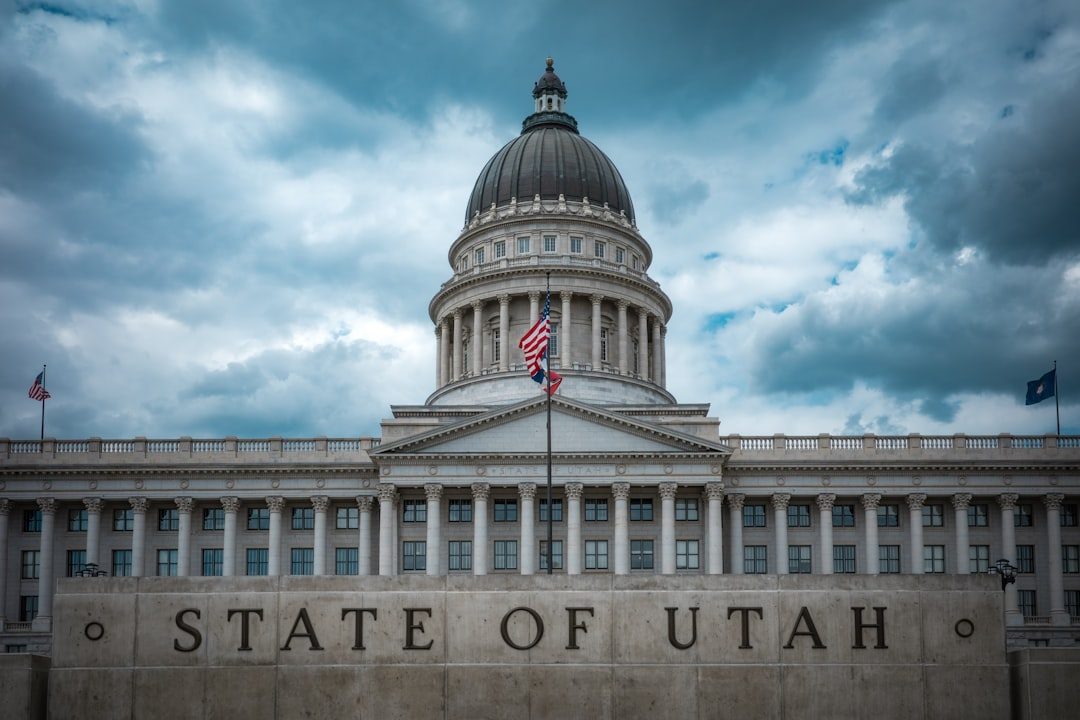
Utah has let undocumented high school graduates who applied for legal residency pay in-state college rates since 2002. On September 10, 2026, the Justice Department sued to end that practice, naming the state's higher education board and its commissioner as defendants.

The filing was one of four final lawsuits that completed a federal campaign against all 25 states and the District of Columbia with similar laws. Courts have already struck down such laws in six states. Utah education officials say they will keep following state law while the case proceeds.

Why it matters

If the DOJ wins, undocumented students in Utah could lose affordable tuition, and states lose the power to set this tuition policy.

Questions about this story

Free account needed to ask — your question is kept and asked for you right after sign-up. Answers are public.

No questions yet — be the first to ask.

Key Indicators

25
States and D.C. sued by DOJ over in-state tuition
The Justice Department filed its final four lawsuits on September 10, 2026, saying it had now challenged every state with a law granting in-state tuition to undocumented students.

Voices

Curated perspectives — historical figures and your fellow readers.

Ever wondered what historical figures would say about today's headlines?

Sign up to generate historical perspectives on this story.

People Involved

Organizations Involved

Timeline

January 2002 September 2026

8 events Latest: Yesterday
Tap a bar to jump to that date
  1. Court strikes down Texas in-state tuition law

    Legislation

    A federal appeals court permanently enjoins Texas's law allowing in-state tuition for undocumented students, one of six rulings in the DOJ's favor.

  2. Utah passes in-state tuition law

    Legislation

    Utah's Republican-dominated legislature allows undocumented high school graduates who applied for legal residency to pay in-state college rates.

Scenarios

1

Court strikes down Utah's in-state tuition law

Possible Resolves by End of 2028

Discussed by: DOJ officials and legal analysts

A federal judge rules that Utah's law violates federal immigration law, specifically 8 U.S.C. § 1623, which prohibits states from giving in-state tuition to undocumented students unless they offer it to all U.S. citizens regardless of residency. The court orders the law struck down, and Utah must stop offering the tuition break.

2

Utah repeals law to avoid litigation

Possible Resolves by Q2 2027

Discussed by: State legislators and political observers

Facing a costly legal battle and pressure from the federal government, Utah's legislature votes to repeal the 2002 law, following the example of Texas and Florida. The state may replace it with a narrower provision that complies with federal law.

3

Court upholds Utah's law

Possible Resolves by End of 2028

Discussed by: Immigrant rights advocates and state officials

A federal judge rules that Utah's law does not violate federal law because it requires students to have applied for legal residency, and the state offers the same benefit to U.S. citizens who meet the same residency requirements. The DOJ's lawsuit is dismissed, and the law remains in effect.

4

Utah's law struck down, following the Kansas ruling

Possible Resolves by End of 2027

Discussed by: DOJ officials and legal analysts

A day before suing Utah, the DOJ won a ruling in Kansas that declared that state's in-state tuition law unconstitutional. Federal lawyers are expected to cite that ruling in the Utah case. A similar outcome would end Utah's 2002 law and the tuition break for an estimated 200 to 300 undocumented students at the University of Utah alone.

Historical Context

3 moments from history that rhyme with this story — and how they unfolded.

June 1982

Plyler v. Doe (1982)

The Supreme Court struck down a Texas law that denied free public education to undocumented children. The Court ruled that the state could not discriminate against children based on their immigration status.

Then

Texas and other states had to allow undocumented children to attend public schools.

Now

Established that states cannot deny basic education to undocumented residents, but left open questions about higher education and other benefits.

Why this matters now

The DOJ's current lawsuits argue that higher education is different from K-12, and that federal law explicitly allows states to deny in-state tuition to undocumented students. Plyler sets a precedent for protecting undocumented students' access to education, but the legal landscape has shifted.

September 1996

IIRIRA Section 505 (1996)

Congress passed the Illegal Immigration Reform and Immigrant Responsibility Act, which included a provision (8 U.S.C. § 1623) barring states from providing in-state tuition to undocumented students unless they offer the same rate to all U.S. citizens regardless of residency.

Then

States that already had such laws were grandfathered in, but new laws were prohibited.

Now

This provision is the legal basis for the DOJ's current lawsuits. It has been interpreted differently by courts, with some states arguing that their laws apply equally to all residents.

Why this matters now

The DOJ argues that Utah's law violates this federal statute. The outcome of these lawsuits will clarify how much discretion states have under IIRIRA.

June 2026

Texas repeals in-state tuition law (2026)

After the DOJ sued Texas over its decades-old in-state tuition law, the state legislature voted to repeal it rather than fight the lawsuit in court.

Then

Texas undocumented students lost access to in-state tuition immediately.

Now

Set a precedent for other states to capitulate to federal pressure, and showed that the DOJ's strategy can succeed without a court ruling.

Why this matters now

Utah faces a similar choice: fight the lawsuit or repeal the law. The Texas outcome is a model for how the DOJ's campaign could end in other states.

Sources

(9)