


Pull to refresh
Logo
Sego Leadership receives $2.5M grant for Utah mothers-in-workplace campaign

Sego Leadership receives $2.5M grant for Utah mothers-in-workplace campaign

Money Moves Salt Lake City, UT local

The nonprofit, formerly the Women's Leadership Institute, is running a two-year survey-and-messaging project to reframe how Utah values mothers at work.

Overview

Updated 8 hours ago

Sego Leadership has $2.5 million and two years to change how Utah talks about mothers at work. The Salt Lake City nonprofit, which renamed itself from the Women's Leadership Institute in August, calls the research and storytelling project The Motherhood Advantage.

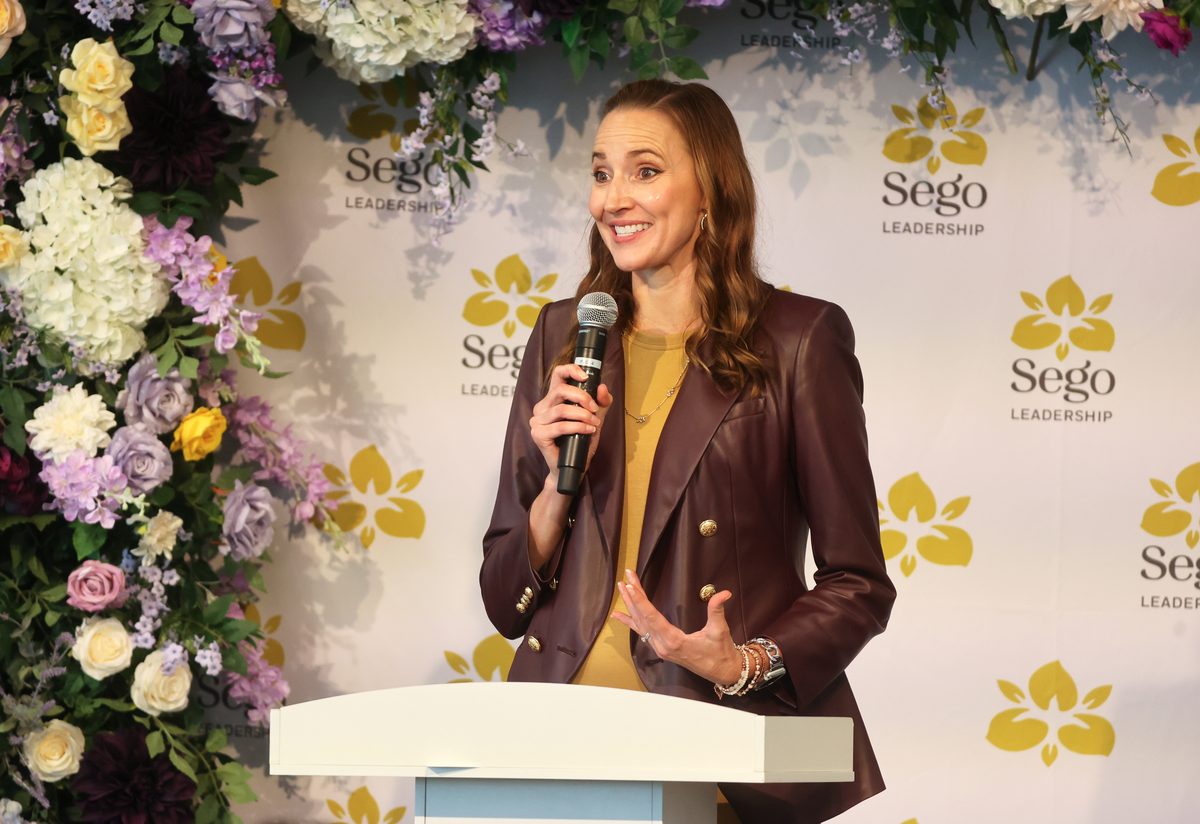
CEO Melanie Jones told the She Leads conference in St. George on Nov. 4 that the state's gap is a story problem, not a talent one. The work starts with a statewide survey from the University of Utah's Kem C. Gardner Policy Institute, then interviews and focus groups to test messages. Sego was one of 18 awardees from about 900 applicants in the Workplace Innovation Now Challenge, backed by Melinda Gates' Pivotal, sharing $60 million.

Why it matters

If it lands, the campaign could shift how Utah employers treat mothers — affecting pay, flexibility, and advancement for women statewide.

Last Monday's email for Salt Lake City, UT

Sent Nov 9. It carried:

Get next Monday's: one short email a week. Free. Unsubscribe in one click.

Questions about this story

Free account needed to ask — your question is kept and asked for you right after sign-up. Answers are public.

No questions yet — be the first to ask.

Key Indicators

$2.5M
Grant amount to Sego Leadership
Funding for the Motherhood Advantage campaign from the Workplace Innovation Now Challenge.
18 of 900
Organizations funded from applicant pool
Sego was one of 18 selected after a 6-month evaluation of 900 applicants.
$60M
Total funding across all 18 awardees
Combined grant pool distributed by the Workplace Innovation Now Challenge.
45%
Women's share of Utah's workforce
Figure Jones cited from the Utah Department of Workforce Services to argue the state has no pipeline problem.

Voices

Curated perspectives — historical figures and your fellow readers.

Sign up to generate historical perspectives on this story.

People Involved

Organizations Involved

Timeline

August 2026 November 2026

4 events Latest: 7 days ago
Tap a bar to jump to that date
  1. Sego CEO speaks at She Leads conference

    Latest Event

    Melanie Jones addressed the She Leads conference at Utah Tech University in St. George, comparing the nonprofit's work to the sego lily and saying Utah has a story problem, not a talent problem.

  2. Sego Leadership receives $2.5M grant for Motherhood Advantage

    Funding

    Workplace Innovation Now Challenge names Sego one of 18 awardees from 900 applicants.

  3. Sego Leadership named a WIN Challenge awardee

    Funding

    The nonprofit announces it was selected for a $2.5 million WIN Narrative Challenge award, out of nearly 900 applications and 18 awardees.

  4. Women's Leadership Institute renames itself Sego Leadership

    Launch

    The 11-year-old nonprofit announces its new name at a press conference and cohort graduation ceremony. Melanie Jones is CEO.

Scenarios

1

Survey findings released, Motherhood Advantage campaign launches statewide

Likely Resolves by Q2 2027

Discussed by: The project plan outlined by Sego Leadership and the Workplace Innovation Now Challenge

The Kem C. Gardner Policy Institute completes the statewide survey, and focus groups refine messaging. Sego Leadership then launches a public awareness campaign about mothers in the Utah workplace. This is the path the grant explicitly funds and that both Jones and English have described.

2

Motherhood Advantage stalls or scales down

Possible Resolves by End of 2027

Discussed by: A risk scenario implicit in any research-led campaign

The survey takes longer than expected, messaging tests reach mixed conclusions, or leadership turnover at Sego Leadership slows momentum. The grant is spent on research but no clear public campaign emerges, or the project is quietly redirected to a smaller scope.

3

Employers or policymakers adopt Motherhood Advantage recommendations

Uncertain Resolves by Q2 2028

Discussed by: The broader goal implicit in the campaign's framing

The campaign's research and messaging influence concrete change in Utah — a major employer adopts mother-friendly policies, or a state entity incorporates the findings into a workplace initiative. This would represent the grant's long-term impact beyond awareness.

Historical Context

3 moments from history that rhyme with this story — and how they unfolded.

Early 2021

Marshall Plan for Moms (2021)

Reshma Saujani, founder of Girls Who Code, launched a national campaign proposing monthly stipends for mothers' unpaid care work, framed as a 'Marshall Plan for Moms.' The proposal drew wide media attention and entered the national debate on caregiving policy.

Then

The campaign put mothers' unpaid labor on the national agenda; the expanded Child Tax Credit later that year partially echoed its goals before expiring in 2022.

Now

Showed that a focused messaging campaign could shift political conversation around care work, but that lasting policy requires sustained coalition-building.

Why this matters now

Sego Leadership's Motherhood Advantage uses the same playbook — research and messaging to reframe how society values mothers — applied at the state level in Utah.

October 2003

The Opt-Out Revolution (2003)

The New York Times Magazine published Lisa Belkin's cover story suggesting highly educated women were 'opting out' of careers to raise children. The piece ignited a national debate about whether motherhood and professional ambition were compatible.

Then

The narrative dominated workplace conversations, and women reported increased scrutiny of their career choices.

Now

Later data showed the phenomenon was overstated, but the cultural narrative about mothers' work choices persisted and shaped workplace discussions for years.

Why this matters now

It shows both the power and the risk of a single narrative about mothers and work — precisely what Sego's survey-and-testing approach is designed to check.

March 2013

Lean In (2013)

Sheryl Sandberg published 'Lean In,' urging women to pursue leadership roles, sparking a nonprofit and thousands of 'Lean In Circles' at workplaces and campuses.

Then

The book became a cultural phenomenon; corporations adopted sponsorship and flexible-work programs partly in response.

Now

Shifted corporate conversations toward women's leadership and prompted policy changes, though critics argued it emphasized individual action over structural reform.

Why this matters now

Demonstrates how a well-crafted message about women in the workplace can translate into concrete employer practices — the kind of change Sego's campaign targets.

Sources

(9)