
Pull to refresh
Logo
Salt Lake City celebrates completion of six North Temple murals

Salt Lake City celebrates completion of six North Temple murals

Built World Salt Lake City, UT local

The $150,000 public art initiative pairs local artists with businesses along the corridor.

Overview

Updated 6 days ago

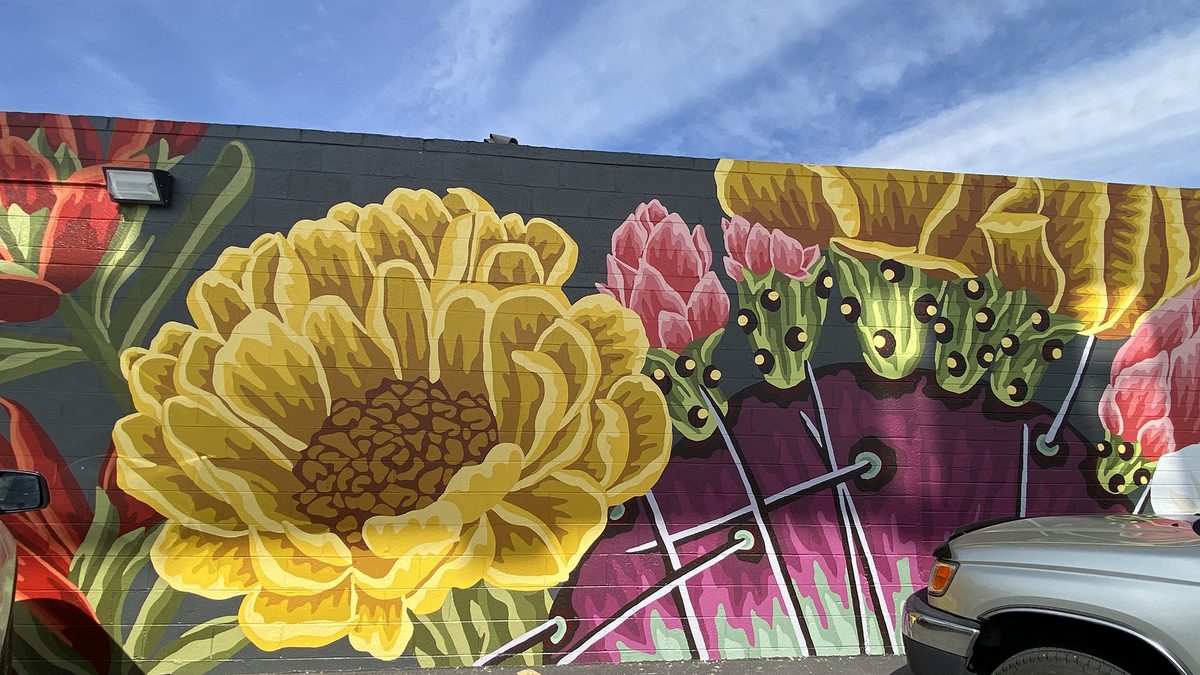
Six new murals are up along Salt Lake City's North Temple corridor, paid for with $150,000 from the Community Reinvestment Agency. The program matched six local artists with business and property owners to turn walls into public art.

The walls range from Red Iguana 2 at 866 W. South Temple to La Diana Market and Taqueria at 56 S. 900 W. The artists came from the Arts Council's 2026–2028 Pre-Qualified Artist Pool.

Why it matters

The project shows how cities use public art to support local businesses and reshape neighborhood identity.

Last Monday's email for Salt Lake City, UT

Sent Nov 9. It carried:

Get next Monday's: one short email a week. Free. Unsubscribe in one click.

Questions about this story

Free account needed to ask — your question is kept and asked for you right after sign-up. Answers are public.

No questions yet — be the first to ask.

Key Indicators

$150,000
CRA funding for mural program
Allocated to the North Temple Mural Program.
6
Murals completed
Along the North Temple corridor.
6
Local artists commissioned
Selected from the Arts Council's Pre-Qualified Pool.
6
Business and property sites
Including Red Iguana 2, Rancho Market, and others.

Voices

Curated perspectives — historical figures and your fellow readers.

Sign up to generate historical perspectives on this story.

People Involved

Organizations Involved

Timeline

2026 November 2026

4 events Latest: 7 days ago
Tap a bar to jump to that date
  1. SLC.gov announces completion of six murals

    Latest Announcement

    City reports the murals are bringing color and creativity to the corridor.

  2. Call for Walls closes

    Deadline

    Businesses and property owners submit applications.

  3. Call for Walls opens for North Temple properties

    Program launch

    Property owners submit exterior walls for mural consideration.

  4. Public celebration planned for fall 2026

    Event

    The Arts Council said a public celebration was planned for fall 2026 to mark the project's completion. The city's Nov. 4 announcement did not report that one had been held.

Scenarios

1

CRA funds a second round of North Temple murals in 2027

Possible Resolves by End of 2027

Discussed by: Program organizers have not announced future phases.

If the CRA allocates additional funds in its 2027 budget, the program could expand to more walls or other corridors. The agency has not committed to a second round.

2

North Temple Mural Program ends with six murals

Likely Resolves by End of 2027

Discussed by: The CRA has not indicated plans for additional murals beyond the six completed.

Without a new funding allocation, the program concludes with the six completed murals. Staff reviewed applications partly on long-term maintenance plans.

Historical Context

2 moments from history that rhyme with this story — and how they unfolded.

1935-1943

WPA Federal Art Project (1935-1943)

As part of the New Deal, the U.S. government employed thousands of artists to create public murals, sculptures, and posters across the country. The program aimed to support artists during the Great Depression and bring art to everyday spaces.

Then

Created thousands of public artworks and employed artists who would otherwise have been jobless.

Now

Many WPA murals still exist in post offices and public buildings, and the program set a precedent for government funding of public art.

Why this matters now

Shows how public funding for murals can create lasting cultural infrastructure and support artists.

1984-present

Philadelphia Mural Arts Program (1984-present)

Started as the Philadelphia Anti-Graffiti Network, artist Jane Golden began working with graffiti writers to create murals. It evolved into the city's Mural Arts Program, now the largest public art program in the U.S.

Then

Initially focused on reducing graffiti and engaging youth.

Now

Has produced thousands of murals and become a model for community-based public art.

Why this matters now

Demonstrates how a small anti-graffiti initiative can grow into a citywide program that uses murals for neighborhood revitalization, similar to North Temple's goals.

Sources

(5)