



Pull to refresh
Logo
Culinary Dropout opens in rebuilt Utah Pickle Co. building in Granary District

Culinary Dropout opens in rebuilt Utah Pickle Co. building in Granary District

Built World Salt Lake City, UT local

First restaurant anchor in a 141-unit redevelopment that began with a contested demolition

September 2nd, 2026: Culinary Dropout opens

Overview

Updated Sep 4

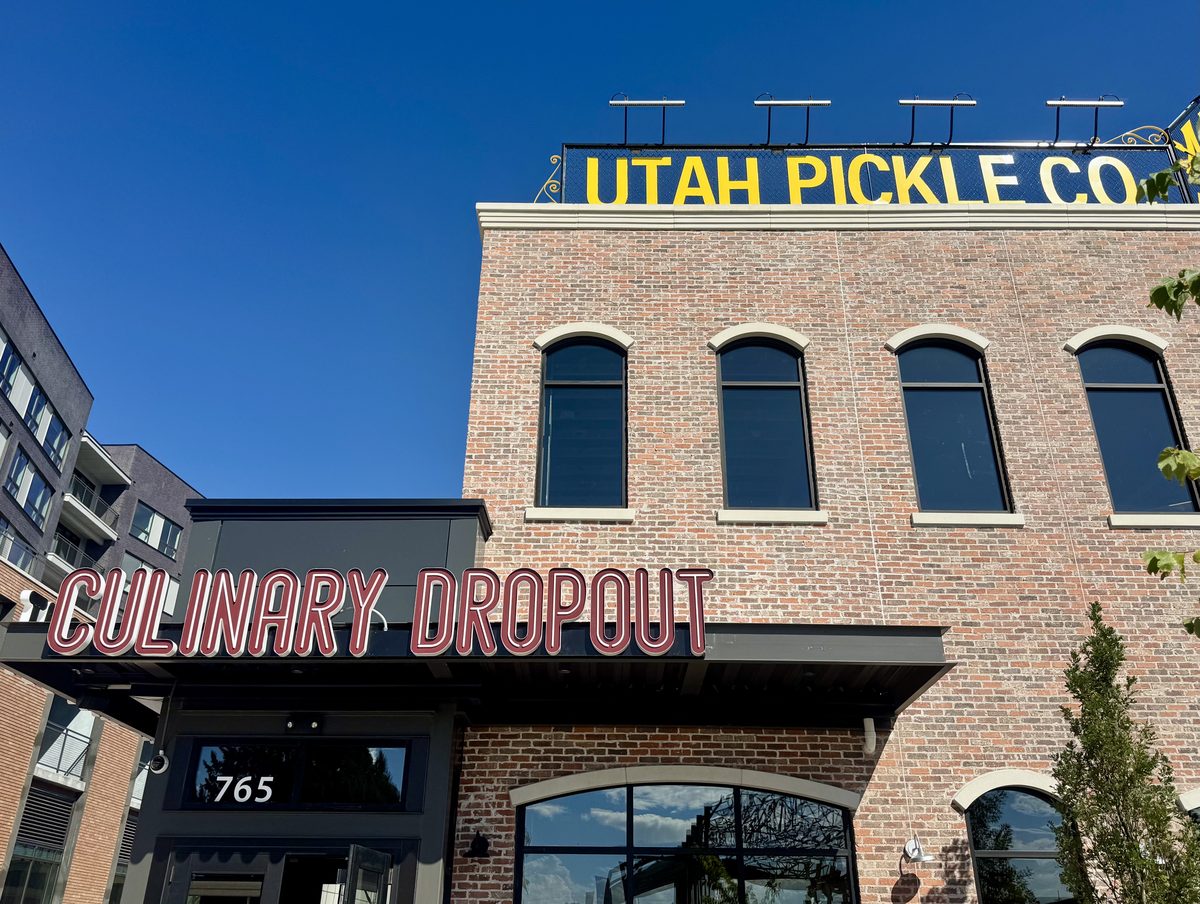
Culinary Dropout opened its first Utah location Sept. 2 inside the rebuilt Utah Pickle Co. building at 765 S. 400 West. It's the 18th location for the Arizona-born chain and the first major retail anchor in the Granary District's Pickle & Hide redevelopment.

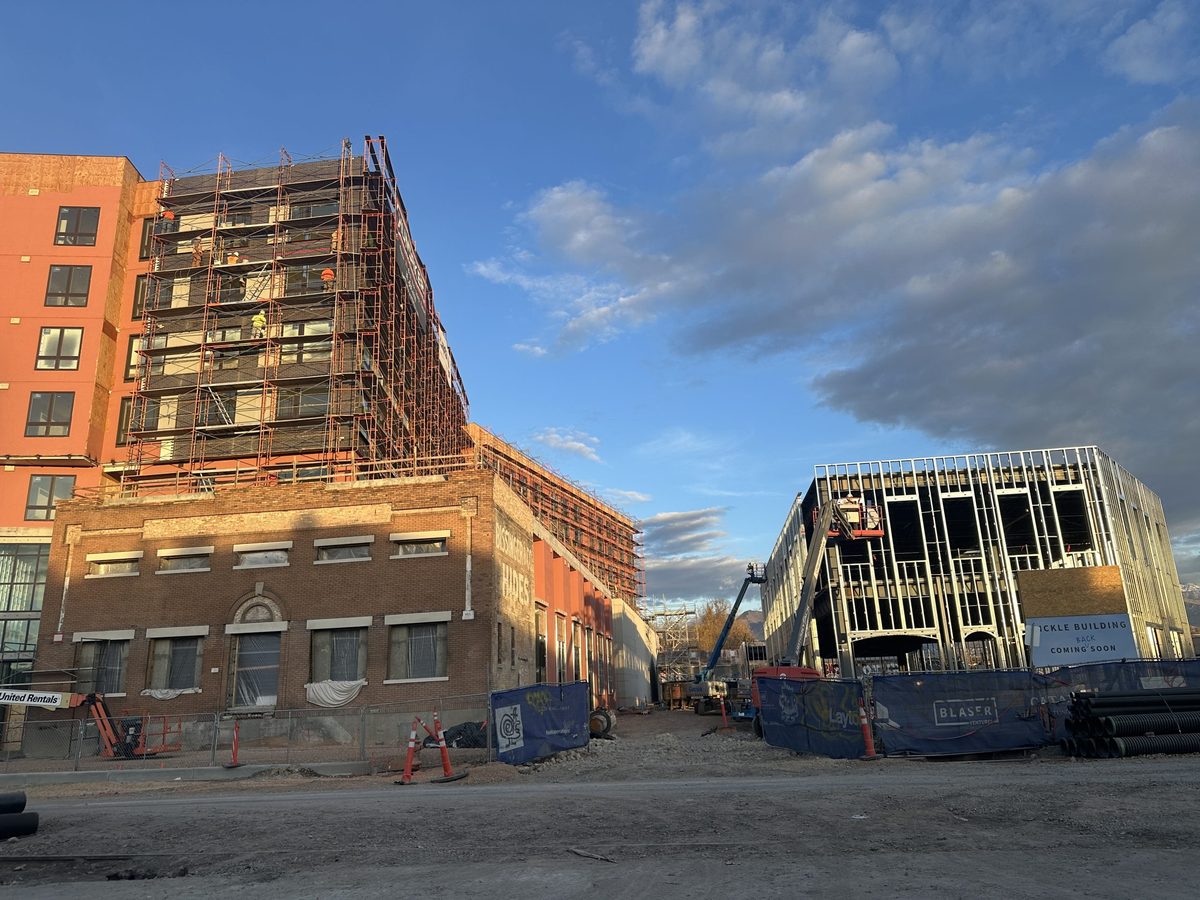
The building's history is messy. An 1894 soap factory turned pickle plant later hosted the TRASA arts collective, until developer Blaser Ventures demolished it in May 2025, over structural concerns, and rebuilt it beside 141 apartment units. The restaurant opening is the first public test of whether the rebuilt landmark, and the project around it, delivers on its promises.

Why it matters

The restaurant opening is the first real test of whether the Granary District's contested redevelopment delivers the housing and street life its backers promised.

Questions about this story

Free account needed to ask — your question is kept and asked for you right after sign-up. Answers are public.

No questions yet — be the first to ask.

Key Indicators

$6M+
Tax-increment funding at risk after demolition
Preservation-linked city funding could be jeopardized by the loss of the original structure.
141
Residential units planned at Pickle & Hide
More than 50 of the units are designated affordable.
22,000 sq ft
Retail space in the project
Culinary Dropout anchors part of this commercial square footage.
18th
Culinary Dropout storefronts nationwide
This is the chain's first Utah location.

Voices

Curated perspectives — historical figures and your fellow readers.

Ever wondered what historical figures would say about today's headlines?

Sign up to generate historical perspectives on this story.

People Involved

Organizations Involved

Timeline

1894 September 2026

6 events Latest: September 2nd, 2026 · 1 week ago
Tap a bar to jump to that date
  1. Culinary Dropout opens

    Latest Opening

    Culinary Dropout opens at 765 S. 400 West, first major restaurant anchor in rebuilt building.

  2. Reconstruction frame rises

    Construction

    Steel frame rises on original footprint as reconstruction of the building shell progresses.

  3. 1894 building demolished

    Demolition

    Blaser Ventures demolishes 1894 building; nearby business owners say they were caught off guard.

  4. Preservation grant awarded

    Funding

    $50,000 grant from Main Street America, National Trust, and American Express supports rehabilitation plans.

  5. TRASA arts collective moves in

    Cultural

    TRASA arts collective moves in, hosting exhibitions, performances, and community events.

  6. Pickle building constructed

    Construction

    Utah Pickle Co. building built as a soap factory under Heber J. Grant family.

Scenarios

1

Pickle & Hide delivers on completion

Likely Resolves by End of 2027

Discussed by: Building Salt Lake, Salt Lake City building officials

The project's 141 units reach certificate of occupancy and the retail component fills with tenants beyond Culinary Dropout. This is the base case if the reconstruction stays on schedule and the city resolves the tax-increment question.

2

City claws back tax-increment funding

Possible Resolves by Q2 2027

Discussed by: Building Salt Lake, Salt Lake City officials

The demolition voided prior design approvals and put more than $6 million in tax-increment funding at risk. A council vote to reduce or revoke the TIF would force the developer to rework the project's finances, potentially shrinking the affordable unit count.

3

Preservation backlash tightens demolition review

Possible Resolves by Q2 2027

Discussed by: Granary District community advocates, local preservation groups

The shock demolition could push the City Council to strengthen review rules for historically significant buildings. If passed, it would be the clearest policy marker that the Pickle building's loss changed how the city handles similar sites.

Historical Context

3 moments from history that rhyme with this story — and how they unfolded.

1944-1953

Warsaw Old Town Reconstruction (1944-1953)

After the Warsaw Uprising, German forces systematically destroyed the Polish capital's Old Town. Architects and residents rebuilt it using pre-war photographs, paintings, and memory.

Then

The reconstruction was completed and the Old Town resettled.

Now

UNESCO listed it as a World Heritage site in 1980, explicitly recognizing the reconstruction as heritage in its own right.

Why this matters now

Shows a rebuilt landmark can gain official legitimacy, while raising the question of whether a facsimile preserves history or just its image.

October 1963

Penn Station Demolition (1963)

Manhattan's original Pennsylvania Station, a Beaux-Arts landmark, was demolished to make way for the current Madison Square Garden. The demolition triggered a national outcry that helped found the historic preservation movement.

Then

The station was replaced by a low-slung arena widely judged an architectural loss.

Now

The backlash spurred the National Historic Preservation Act of 1966 and expanded landmark protections nationwide.

Why this matters now

Contrast: a landmark torn down with no replacement effort, versus Salt Lake City's promise to rebuild a facsimile. Both test how much of a building's history survives demolition.

1960s-1970s

SoHo Artist District (1960s-1970s)

Artists illegally moved into industrial cast-iron lofts in lower Manhattan, creating studios and galleries in a declining manufacturing district. Property values rose and developers followed, converting lofts into high-end housing.

Then

SoHo became a legal artists' zone and later prime real estate.

Now

The arts-led gentrification cycle repeated in Brooklyn and beyond.

Why this matters now

The Granary District followed a similar path: TRASA's arts tenancy drew attention, then developers arrived with market-rate projects.

Sources

(3)