

Pull to refresh
Logo
Salt Lake City breaks ground on west-side affordable housing complex

Salt Lake City breaks ground on west-side affordable housing complex

Built World Salt Lake City, UT local

Camden Court's 96 income-restricted units target families at 30% to 60% of area median income

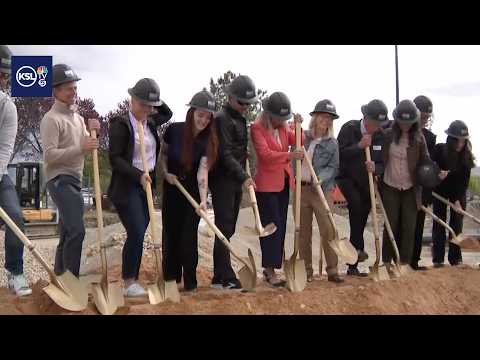
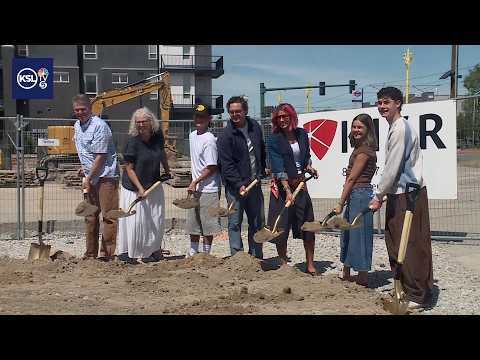
September 3rd, 2026: Camden Court breaks ground

Overview

Updated 4 days ago

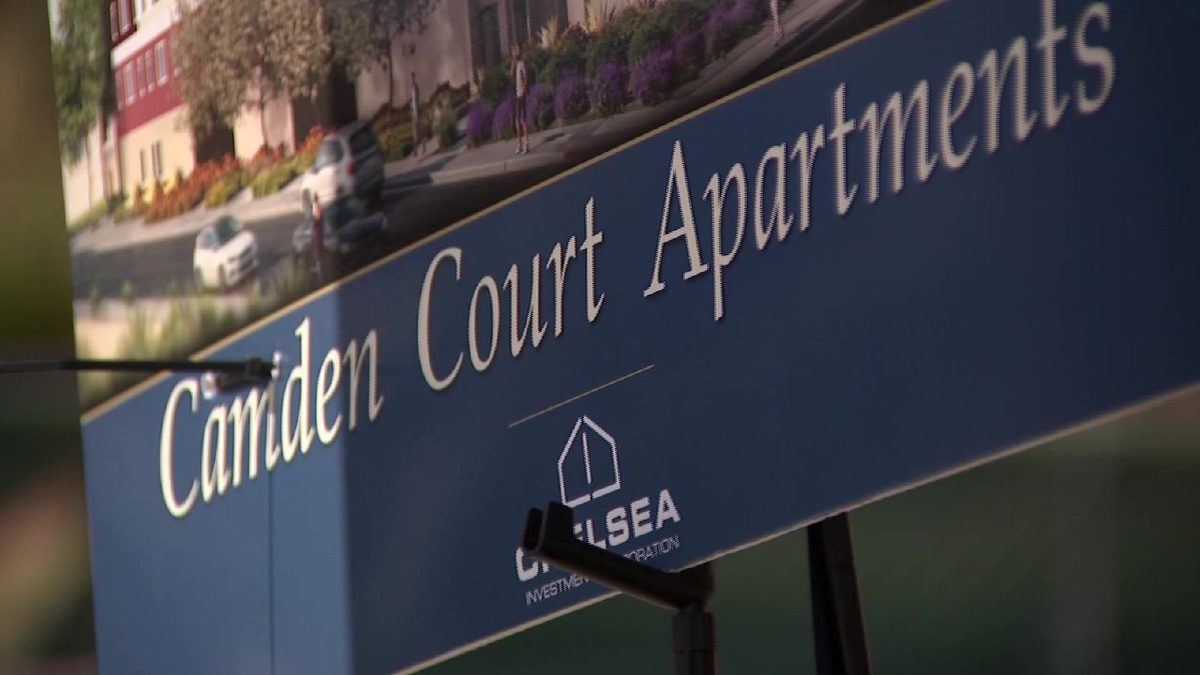
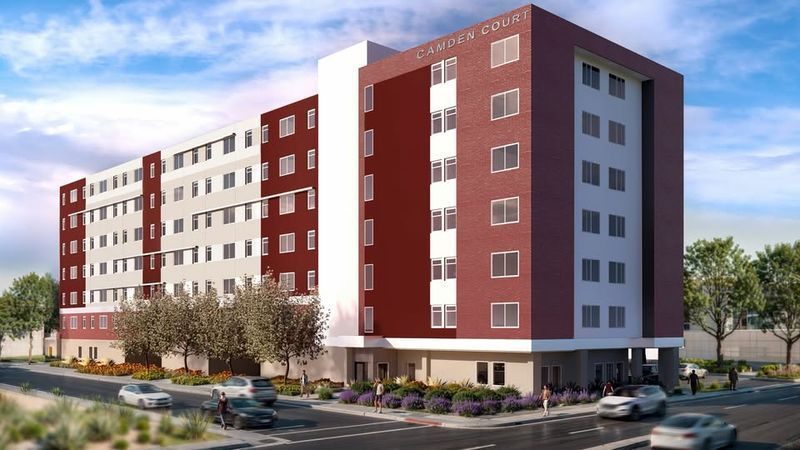
Salt Lake City's Community Reinvestment Agency confirmed Sept. 8 that construction is underway on Camden Court, a seven-story, 96-unit income-restricted complex in Ballpark. Rents for households earning up to 60% of area median income will run $600 to $1,800 a month, keeping housing costs under 30% of income. The building will include 36 one-bedroom apartments.

Nearly half of city renters spend over 30% of income on housing, and market-rate building has not relieved that pressure. The Housing SLC 2023-2027 plan targets 2,000 deeply affordable units by June 2028; roughly 700 are built, under construction, or planned. Utah Housing Corporation's Claudia O'Grady expects the current softening to fade within two years.

Why it matters

Salt Lake City rents keep outpacing wages. Camden Court adds 96 units priced for working-family budgets, a small check against a widening gap.

Questions about this story

Free account needed to ask — your question is kept and asked for you right after sign-up. Answers are public.

No questions yet — be the first to ask.

Key Indicators

96
Income-restricted units at Camden Court
Apartments for households earning 30% to 60% of area median income.
≈50%
Salt Lake City renters who are cost-burdened
Nearly half spend more than 30% of income on housing, per city officials.
48
Housing projects added to Salt Lake City since 2020
Includes market-rate and affordable developments across the city.
$600–$1,800
Planned monthly rent range at Camden Court
Rents vary by unit size and household income.
≈700
Deeply affordable units built, under construction, or planned
Progress toward the Housing SLC 2023-2027 goal of 2,000 units for households earning 30% or less of area median income by June 2028.

Voices

Curated perspectives — historical figures and your fellow readers.

Ever wondered what historical figures would say about today's headlines?

Sign up to generate historical perspectives on this story.

People Involved

Organizations Involved

Timeline

January 2020 September 2026

4 events Latest: September 3rd, 2026 · 1 week ago
Tap a bar to jump to that date
  1. Camden Court breaks ground

    Latest Announcement

    City and Chelsea Investment start 96-unit west-side affordable complex; opening set for spring 2028.

  2. Demolition permit filed for Camden Court site

    Permit

    Developers file to raze three industrial buildings at 1283 S. 400 West, clearing the way for the 96-unit Camden Court complex.

  3. Victory Heights affordable project approved

    Decision

    Planning Commission approves 88-unit east-side complex using tax credits, state loans, and a city loan.

  4. Mendenhall takes office

    Leadership

    Erin Mendenhall sworn in; housing stability becomes a city priority.

Scenarios

1

Camden Court opens on schedule, spring 2028

Likely Resolves by May 31, 2028

Discussed by: City officials and Chelsea Investment, per KSL reporting

Construction finishes in roughly 20 months as planned. The city opens all 96 income-restricted units in spring 2028, with rents in the promised $600-to-$1,800 range.

2

Construction delays push Camden Court past spring 2028

Possible Resolves by Q2 2028

Discussed by: KUTV reporting on market volatility; construction-sector norms

Permitting, labor, or material issues push completion beyond the spring 2028 target. The project eventually opens, but months late, with possible rent adjustments if financing shifts.

3

Salt Lake City keeps up the affordable building pace

Possible Resolves by End of 2027

Discussed by: KUTV's coverage of 48 projects since 2020; SLCCRA housing dashboard

Affordable housing production continues at its current clip. The city and its partners announce or break ground on several more income-restricted projects through 2027, extending the push beyond Camden Court.

4

City falls short of 2,000-unit deeply affordable goal

Likely Resolves by Q2 2028

Discussed by: Hoodline's report, citing Building Salt Lake's mid-2026 tally

With roughly 700 of 2,000 deeply affordable units built, under construction, or planned by mid-2026, the city would need to roughly triple its pace to meet the June 2028 target. The more likely outcome is that the goal gets extended or revised.

Historical Context

3 moments from history that rhyme with this story — and how they unfolded.

October 1986

Low-Income Housing Tax Credit (1986)

Congress created the Low-Income Housing Tax Credit in the 1986 Tax Reform Act. It lets private investors trade tax liability for equity in affordable rental housing over a 10-year credit period, turning federal tax dollars into construction funding.

Then

Private investment poured into affordable developments, and the credit became the nation's chief tool for building income-restricted housing.

Now

The LIHTC has backed the vast majority of affordable rental housing built since. Nearly every project, including Camden Court, relies on it.

Why this matters now

Explains the financing stack behind the project: tax-credit equity combined with state and local subsidies.

2007-2009

Great Recession housing collapse (2007-2009)

The housing crash froze mortgage lending and halted new construction across the US. Utah was among the hardest-hit states for foreclosures, with thousands of families losing homes.

Then

Residential construction collapsed, and many builders went bankrupt, leaving a shrunken pipeline of new supply.

Now

The years of under-building created a supply deficit that lingered as job and population growth resumed, feeding today's affordability gap.

Why this matters now

That deficit is a root reason cities are scrambling to build affordable units now.

2020-2022

Pandemic-era migration to the mountain West (2020-2022)

Remote work drew thousands of new residents to Salt Lake City and neighboring metros. Rents soared as demand outran a supply pipeline already depleted by the recession.

Then

City rents jumped while service wages lagged, pushing more renters into cost-burdened territory.

Now

The demand shock stuck; city officials now say nearly half of renters spend over 30% of income on housing.

Why this matters now

City officials cite 'years of population and job growth' as the direct driver of today's affordability pressure.

Sources

(9)