
Pull to refresh
Logo
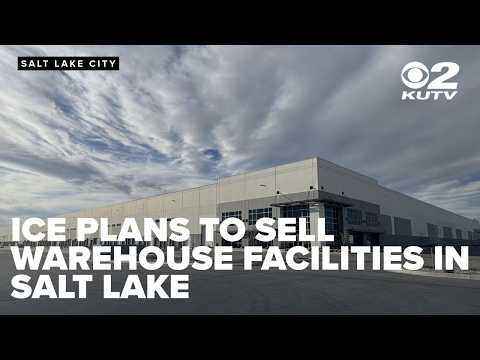
Federal government lists abandoned ICE detention warehouses for sale

Federal government lists abandoned ICE detention warehouses for sale

Rule Changes Salt Lake City, UT local

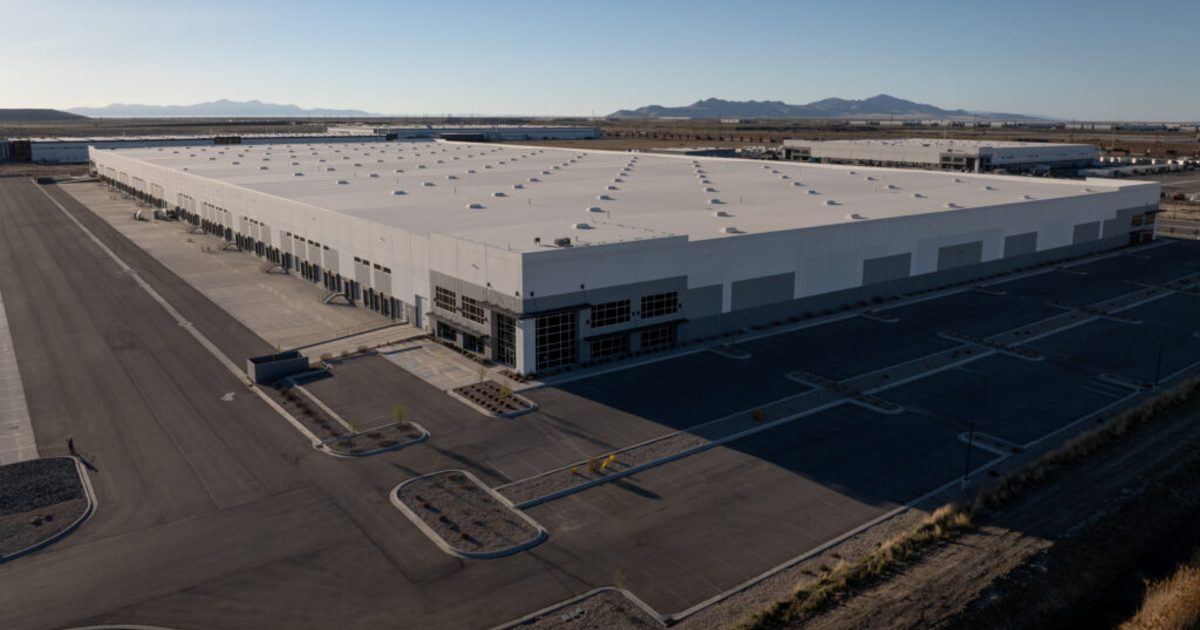
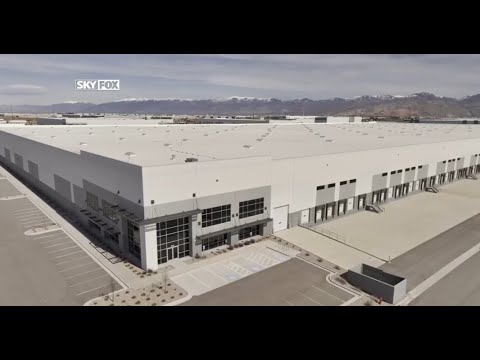
Salt Lake City warehouse is one of seven former detention sites now on the market, with an opening bid reported at about $600 million

Overview

Updated Oct 27

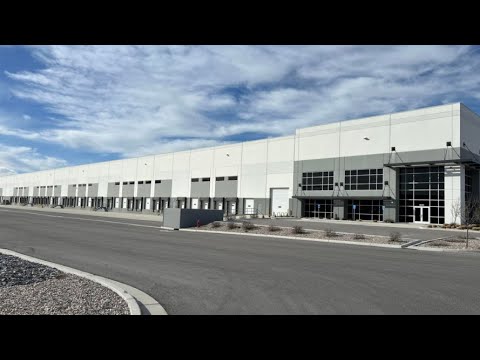
The federal government is selling the Salt Lake City warehouse it bought in March for immigration detention, along with six other buildings U.S. Immigration and Customs Enforcement (ICE) acquired this year. Commercial real estate firm Cushman & Wakefield lists the seven sites, 5.3 million square feet in all, as its Federal Warehouse Portfolio, and the listing does not mention ICE. Green Street News reported an opening bid of $114 per square foot, about $600 million, roughly 15 percent below what the government paid.

Salt Lake City and Salt Lake County sued over the lack of environmental review and public notice, and by August federal officials had dropped the conversion plans. A federal magistrate judge paused the Utah lawsuit for 90 days on October 19 and barred any conversion while the pause holds. The Government Accountability Office reported on September 24 that ICE had spent more than $20 million it cannot recover on the seven warehouses.

Why it matters

Local lawsuits reversed a nationwide detention expansion, showing fast-track federal property deals made without public review can be undone.

Last Monday's email for Salt Lake City, UT

Sent Nov 9. It carried:

Get next Monday's: one short email a week. Free. Unsubscribe in one click.

Questions about this story

Free account needed to ask — your question is kept and asked for you right after sign-up. Answers are public.

No questions yet — be the first to ask.

Key Indicators

$700M+
Federal spending on the seven warehouses
The government spent more than this to acquire the properties, according to Project Salt Box. An opening bid of about $600 million was reported.

Voices

Curated perspectives — historical figures and your fellow readers.

Sign up to generate historical perspectives on this story.

People Involved

Organizations Involved

Timeline

February 2026 October 2026

10 events Latest: October 21st, 2026 · 3 weeks ago
Tap a bar to jump to that date
  1. Seven warehouse sites listed for sale

    Latest Development

    Cushman & Wakefield markets the seven former detention sites as the Federal Warehouse Portfolio, offering them individually or as a package. The listing does not mention ICE.

  2. GAO reports $20 million in unrecoverable costs

    Report

    The Government Accountability Office found ICE had spent more than $20 million it cannot recover on the seven warehouses, including about $7.7 million on zoning reviews and title insurance and $12.8 million on utilities and security through August.

  3. DHS tells Salt Lake it will not convert warehouse

    Statement

    Federal attorneys inform the city and county that DHS no longer intends to use the building for detention.

  4. ICE purchases Salt Lake City warehouse for $145.4M

    Acquisition

    Property deed recorded for the 883,000-square-foot warehouse at 6020 W. 300 South.

  5. DHS buys Flowery Branch, Georgia warehouse for $68.16M

    Acquisition

    Department buys another warehouse in the Atlanta area for detention capacity.

  6. ICE buys warehouses in Michigan and Pennsylvania

    Acquisition

    ICE acquires warehouses in Romulus, Michigan and Hamburg, Pennsylvania for detention facilities.

Scenarios

1

Federal warehouse portfolio sells, Salt Lake lawsuit dismissed as moot

Likely Resolves by Q2 2027

Discussed by: Court filings and real estate market observers

With the stay in place and no detention plans, the government likely sells the Salt Lake warehouse to an industrial buyer at or near its $145 million purchase price. Once the property transfers, the lawsuit becomes moot and both parties move to dismiss it. The January 18, 2027 status report will show how the sale is progressing.

2

Warehouse sale stalls, properties remain in federal hands

Possible Resolves by Oct 21, 2027

Discussed by: Real estate market analysts

If market conditions weaken or the government's asking prices exceed what industrial buyers will pay, the properties could sit unsold. The court may grant another extension on the status report, keeping the lawsuit in limbo. The Cushman & Wakefield listings, which currently show no asking prices, would remain active without completions.

3

Detention capacity moves to a new site in the region

Possible Resolves by Q2 2027

Discussed by: Immigration advocates and Nevada officials

Although the Salt Lake warehouse is off the table, ICE's regional office still needs detention capacity. The agency may pivot to expanding the Nevada Southern Detention Center or another existing facility, as suggested by UNLV immigration clinic director Michael Kagan. ICE has previously proposed adding up to 450 beds in Nevada.

Historical Context

2 moments from history that rhyme with this story — and how they unfolded.

June 2018 – January 2019

Tornillo, Texas tent city (2018)

ICE and the Department of Health and Human Services erected a temporary shelter for migrant children on a dusty lot in Tornillo, Texas, without prior notice to town officials. The facility grew to hold thousands of children separated from parents under the 'zero tolerance' policy and drew nationwide criticism over conditions and lack of legal access.

Then

A federal judge ordered improvements, and the facility closed in January 2019 after roughly seven months of operation and tens of millions in costs.

Now

It became a symbol of the risks of rapid, unplanned detention expansion and the legal and political costs that follow.

Why this matters now

Both cases show ICE building or buying detention infrastructure without local input, then retreating under legal and public pressure.

2014–2015

Family detention centers in New Mexico and Texas (2014-2015)

The Obama administration opened family detention centers in Artesia, New Mexico, and Dilley, Texas, after a surge of Central American migrant families. The facilities were criticized for conditions, limited legal access, and detention of children as young as infants.

Then

The Artesia center closed within six months; lawsuits over conditions continued for years.

Now

Court rulings limited family detention, notably the Flores settlement's 20-day cap on holding children, reducing the facilities' use over time.

Why this matters now

Shows the recurring pattern of rapid federal detention expansion followed by litigation and rollback — the same arc playing out with the 2026 warehouse purchases.

Sources

(8)