

Pull to refresh
Logo
Rhine water levels rebound at Kaub, easing barge load restrictions

Rhine water levels rebound at Kaub, easing barge load restrictions

Built World

Gauge at Germany's river chokepoint rises from a record low of 6 cm to 56 cm; full loads still need about 150 cm

August 24th, 2026: Kaub reaches 56 cm; barges reload to heavier cargo

Overview

Updated Aug 25

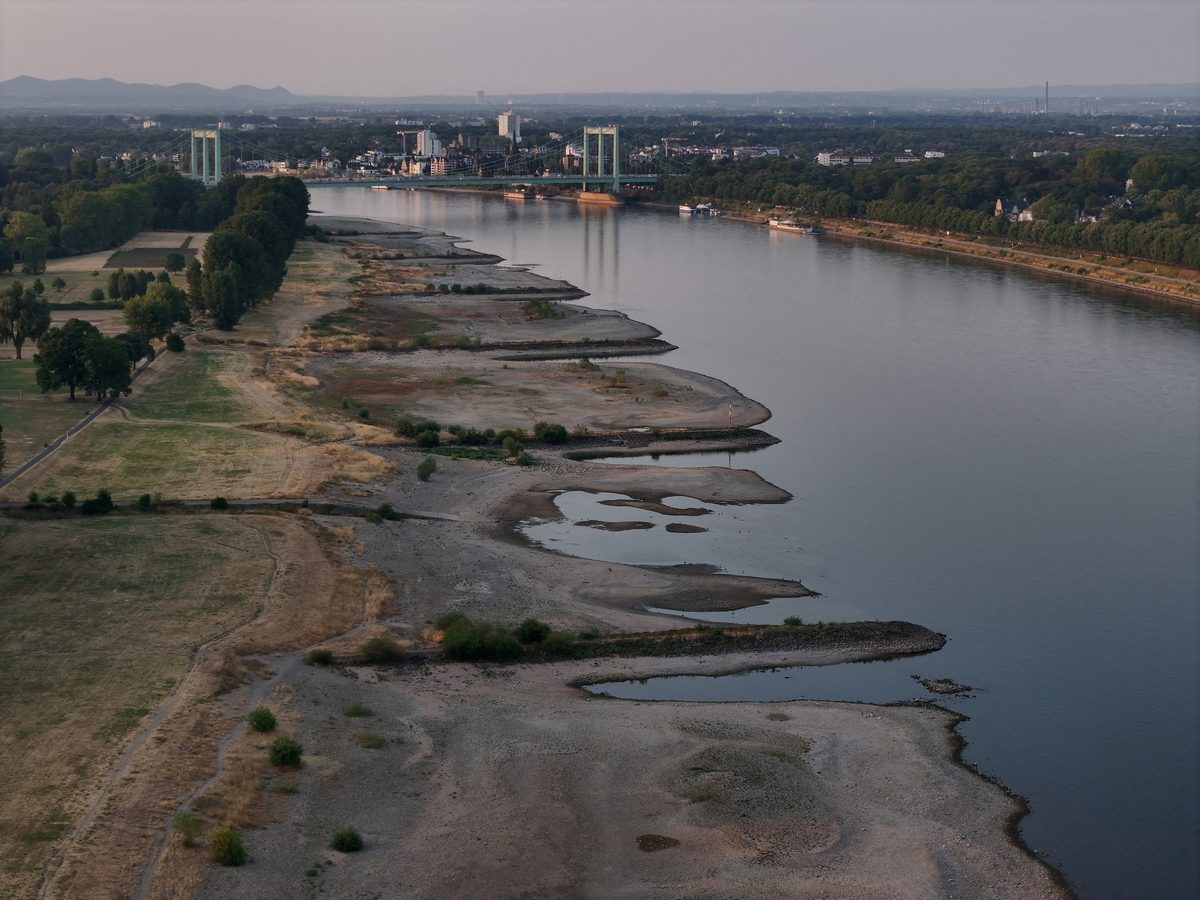
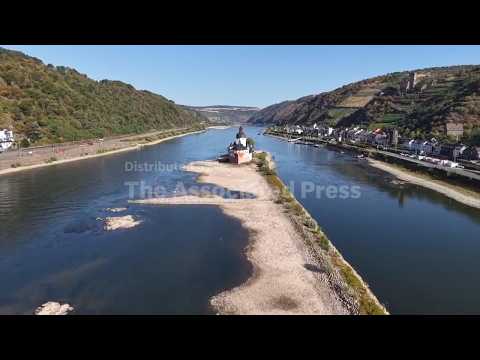
The water level at Kaub, the Rhine's tightest chokepoint, jumped from a record-low 6 cm to 56 cm in a week. Barges that had been moving cargo at a third of capacity can now load 700 to 800 metric tons, though the river still sits well below the 150 cm needed for fully loaded sailings.

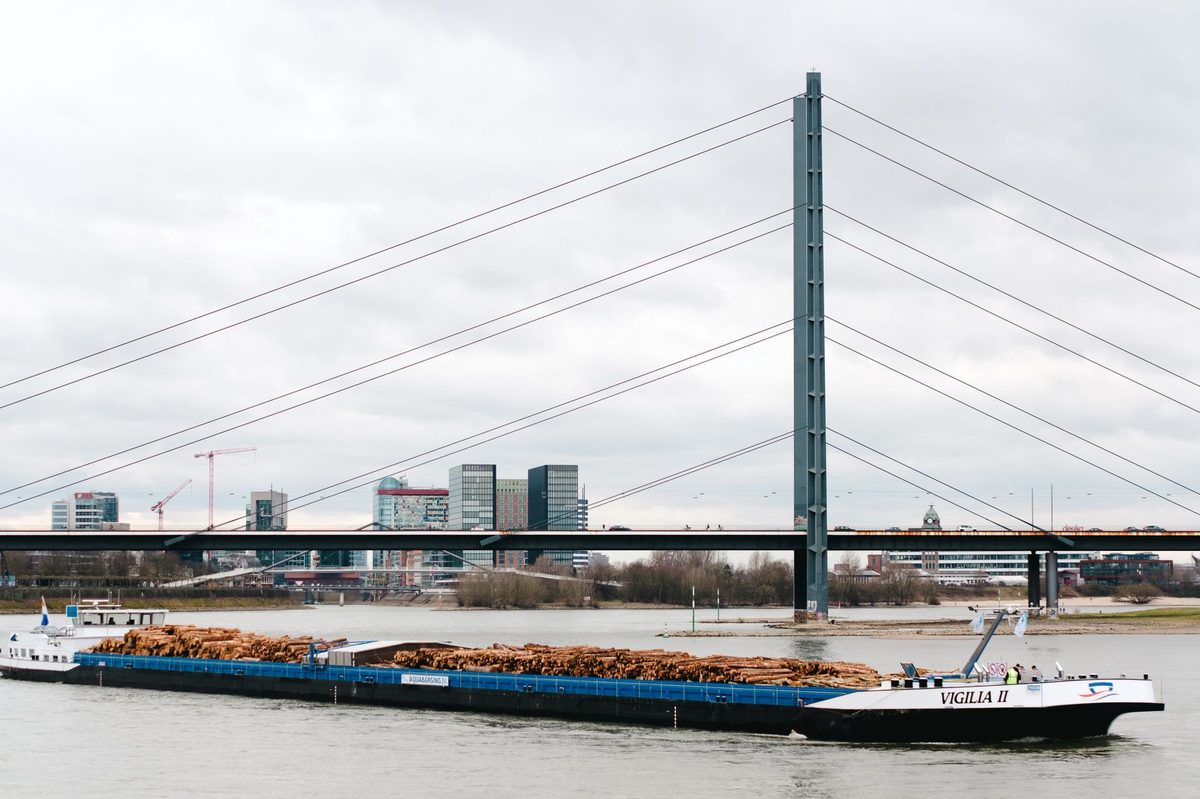
The rebound eases a squeeze that pushed German steel, chemical, and energy producers toward rail and truck, inflating freight bills. At the Port of Duisburg, ship calls ran 50 to 60 percent above normal because operators split the same cargo across more vessels. Whether autumn rains sustain the recovery decides if producers can restock before winter.

Why it matters

If the Rhine stays low this autumn, German industry pays rail and truck surcharges that lift prices on steel, chemicals, and fuel.

Questions about this story

Free account needed to ask — your question is kept and asked for you right after sign-up. Answers are public.

No questions yet — be the first to ask.

Key Indicators

56 cm
Kaub gauge level on Aug 24
Up from a record-low 6 cm on Aug 17; full loads need about 150 cm.
150 cm
Gauge needed for fully loaded vessels
WSV standard at Kaub for barges to carry full cargo capacity.
70%
Vessel capacity utilization at Kaub
Improved from roughly one-third earlier in August while restrictions remain at the chokepoint.
800 t
Cargo load per vessel through Kaub
Vessels now move 700 to 800 metric tons depending on type.

Voices

Curated perspectives — historical figures and your fellow readers.

Ever wondered what historical figures would say about today's headlines?

Sign up to generate historical perspectives on this story.

Organizations Involved

Timeline

5 events Latest: August 24th, 2026 · 3 weeks ago
Tap a bar to jump to that date
  1. Kaub reaches 56 cm; barges reload to heavier cargo

    Latest Recovery

    Kaub gauge reaches 56 cm; barges reload to 700-800 metric tons.

  2. Kaub climbs to 45 cm; ferry resumes after 11 days

    Recovery

    Kaub gauge climbs to 45 cm; ferry resumes after 11-day halt.

  3. Levels nudge up to 14 cm, still near record lows

    Monitoring

    Levels nudge up to 14 cm but stay near record lows.

  4. Kaub gauge hits record low of 6 cm

    Crisis

    Kaub gauge falls to 6 cm, lowest ever recorded.

  5. Rhine hits new lows, freight shifts to land transport

    Crisis

    Rhine levels hit new lows; freight shifts to rail and truck.

Scenarios

1

Autumn rains lift Rhine to full shipping levels

Likely Resolves by Oct 31, 2026

Discussed by: German logistics operators; WSV seasonal forecasts

Sustained rainfall across western Germany through September feeds the Rhine's tributaries and pushes the Kaub gauge past 150 cm. Barges resume full loads, low-water surcharges disappear, and producers restock before winter. Both 2018 and 2022 followed this pattern as autumn rains arrived.

2

Recovery stalls, partial load restrictions persist into winter

Possible Resolves by Oct 31, 2026

Discussed by: Commodity traders; logistics analysts

Levels rise but stay between roughly 78 cm and 150 cm through autumn. Vessels keep sailing partly loaded, freight keeps shifting to rail and truck, and low-water surcharges remain. Shippers plan around continued restrictions rather than a return to normal.

3

Dry spell returns, levels slide back toward crisis

Unlikely Resolves by Oct 31, 2026

Discussed by: German industrial economists

A return of hot, dry weather drops the Kaub gauge back below 78 cm, the threshold the IfW says cuts German industrial production by about 1 percent if it holds for 30 days. Transport costs spike again and producers weigh output curbs.

Historical Context

2 moments from history that rhyme with this story — and how they unfolded.

Summer 2018

Rhine drought of 2018

A weeks-long heatwave dropped the Kaub gauge to 25 cm, the previous record low. Barges sailed at a fraction of capacity, and operators shifted cargo to rail and truck across Germany.

Then

Transport costs spiked and some factories trimmed output as the federal government weighed emergency measures.

Now

The disruption made Germany's reliance on low-cost river freight a policy topic and pushed operators to plan for more frequent low-water events.

Why this matters now

It set the 25 cm record that August 2026's 6 cm reading broke, and it showed the scale of disruption a shallow Rhine causes.

Summer 2022

Rhine low water of 2022

The Kaub gauge stayed below 78 cm for 30 straight days amid drought. The Kiel-based IfW economic institute estimated this costs about 1 percent of German industrial production.

Then

Utilities and chemical plants paid high surcharges and scaled back output during Europe's energy crisis.

Now

The 30-days-below-78-cm threshold became the standard benchmark analysts use to judge when low water starts costing industry.

Why this matters now

That 78 cm benchmark is now the line separating normal operations from crisis in the current episode.

Sources

(6)